
Last updated November 22, 2026
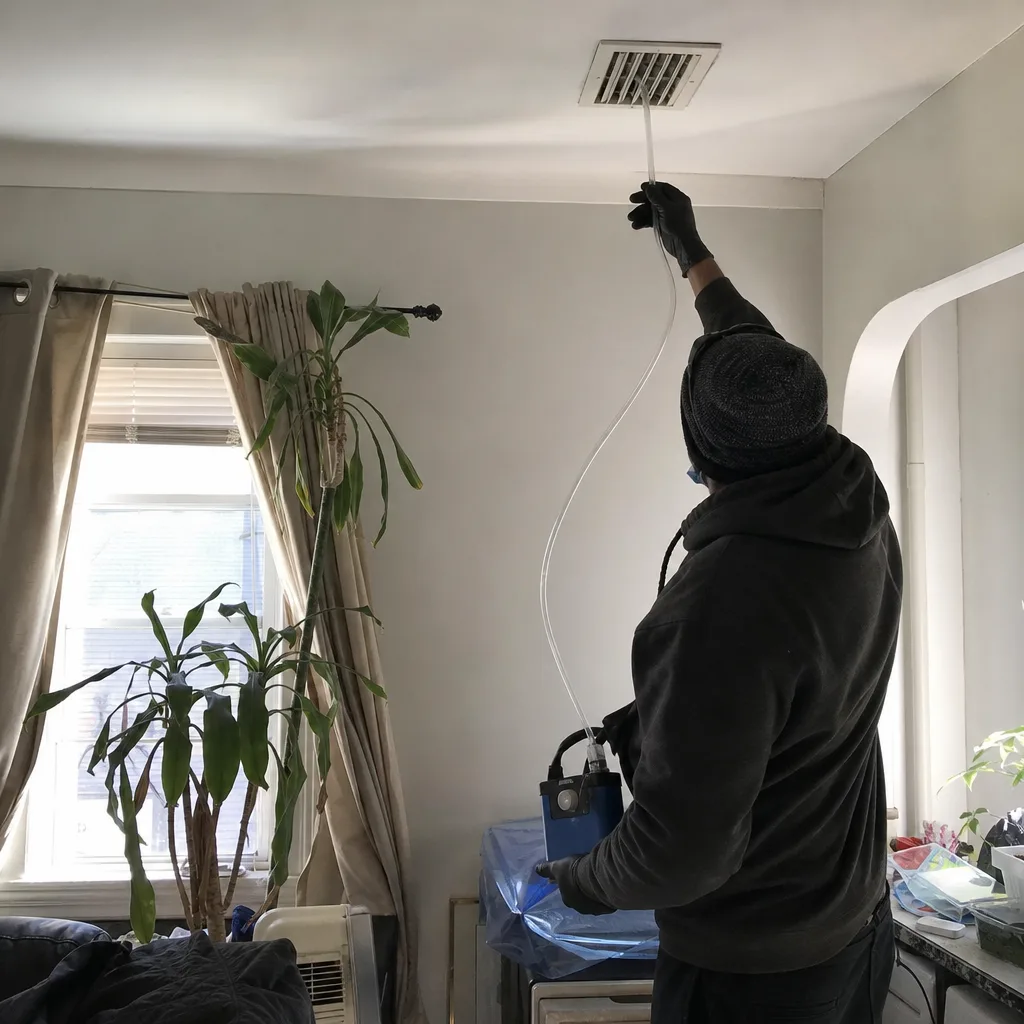
 Whole-home duct cleaning
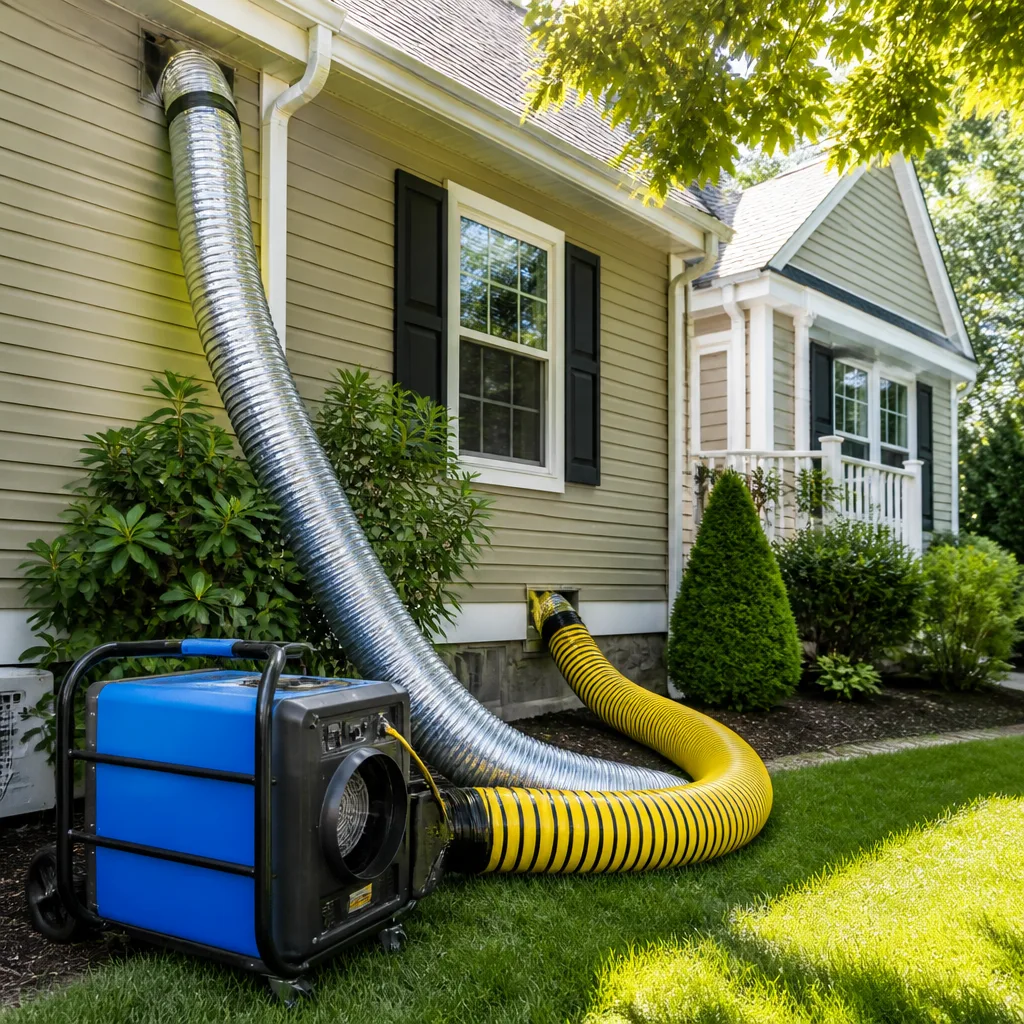
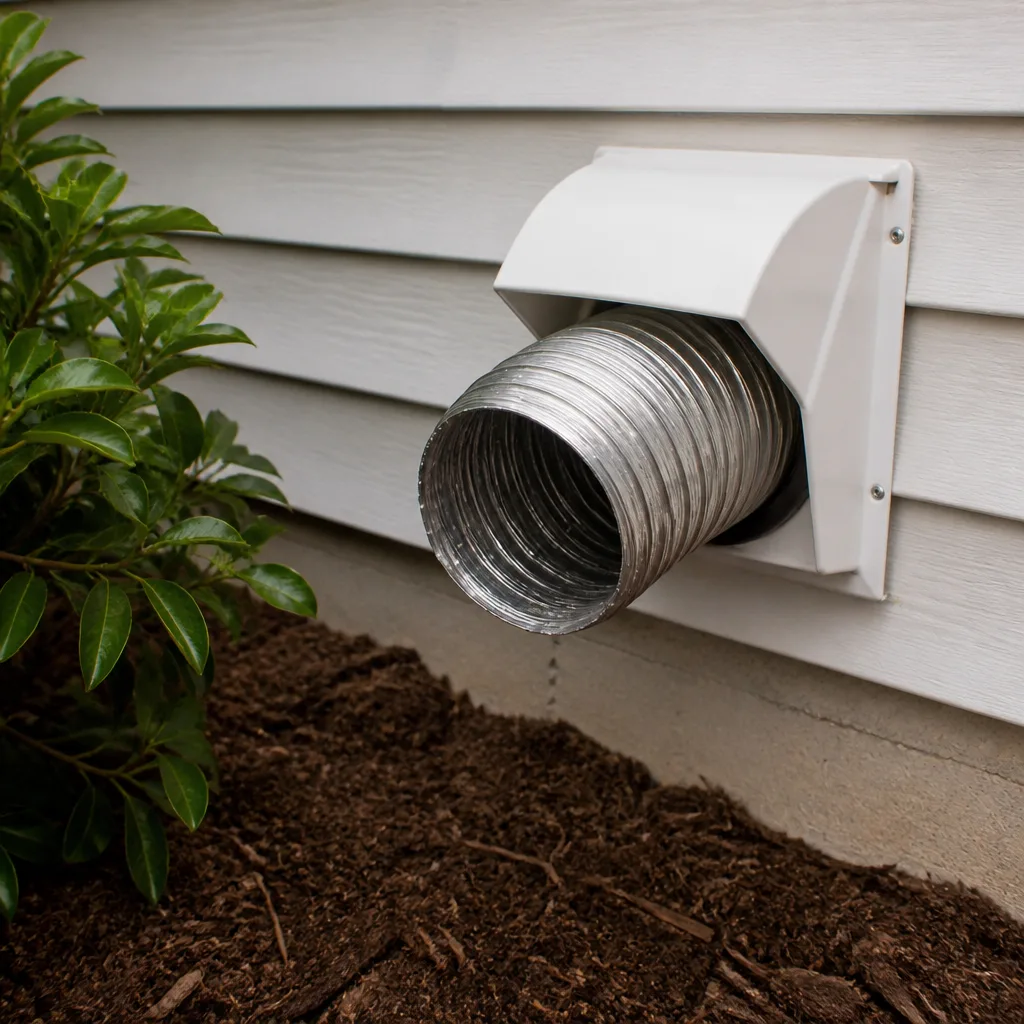 Dryer vent cleaning
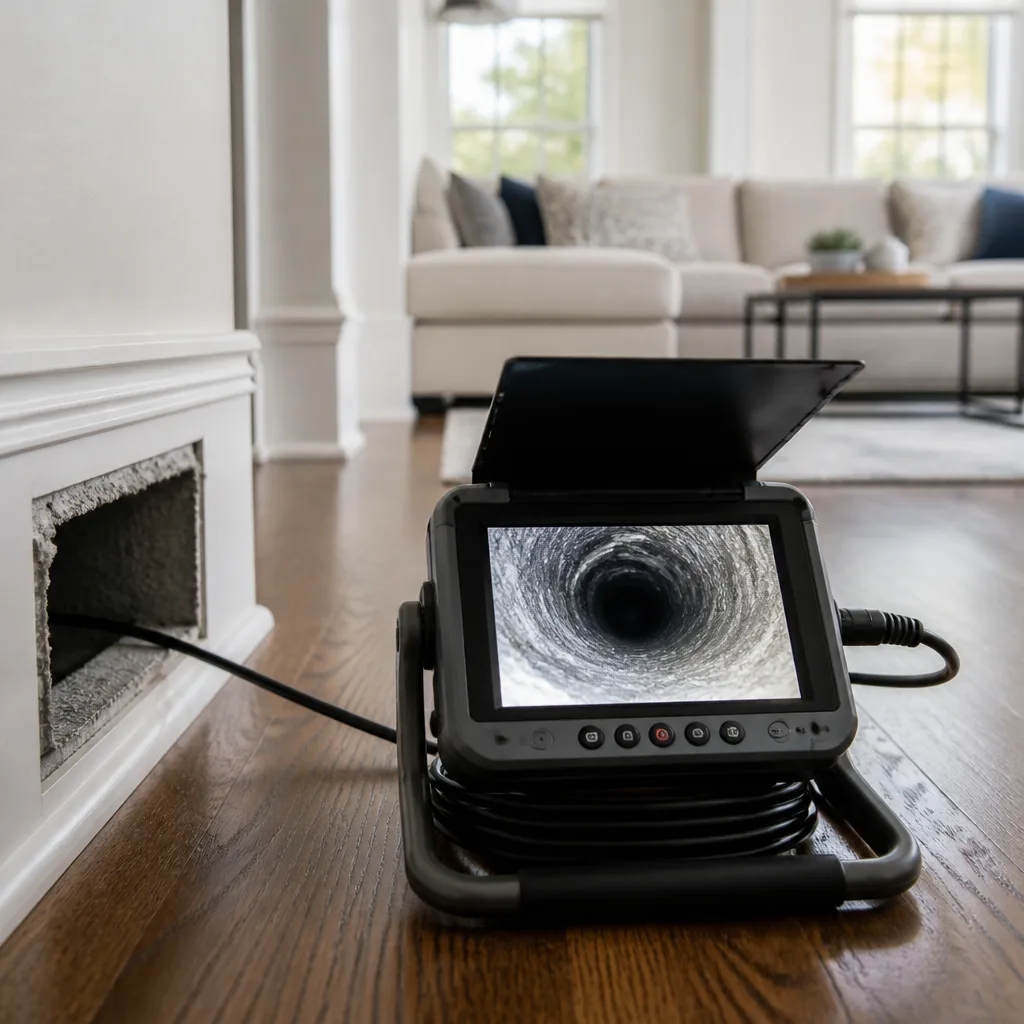 Camera inspection
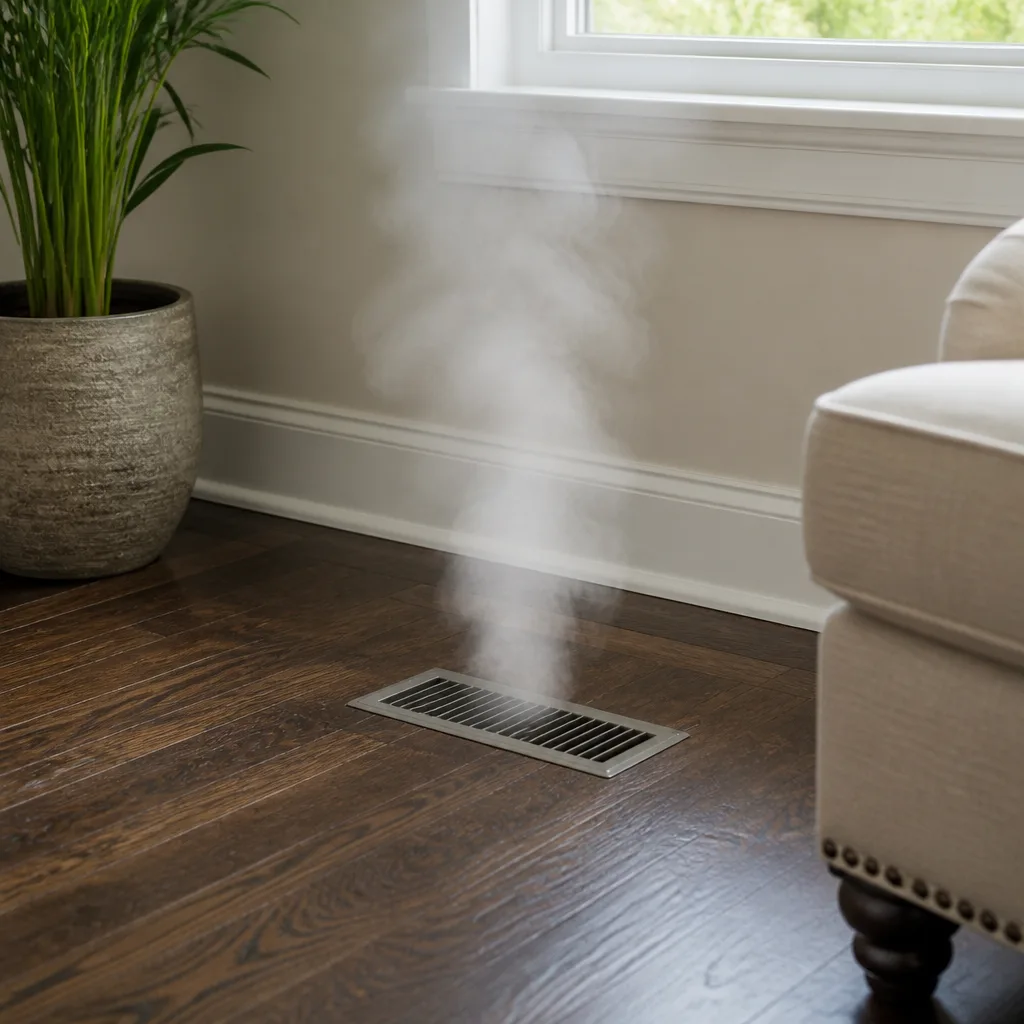 Sanitizing & deodorizing
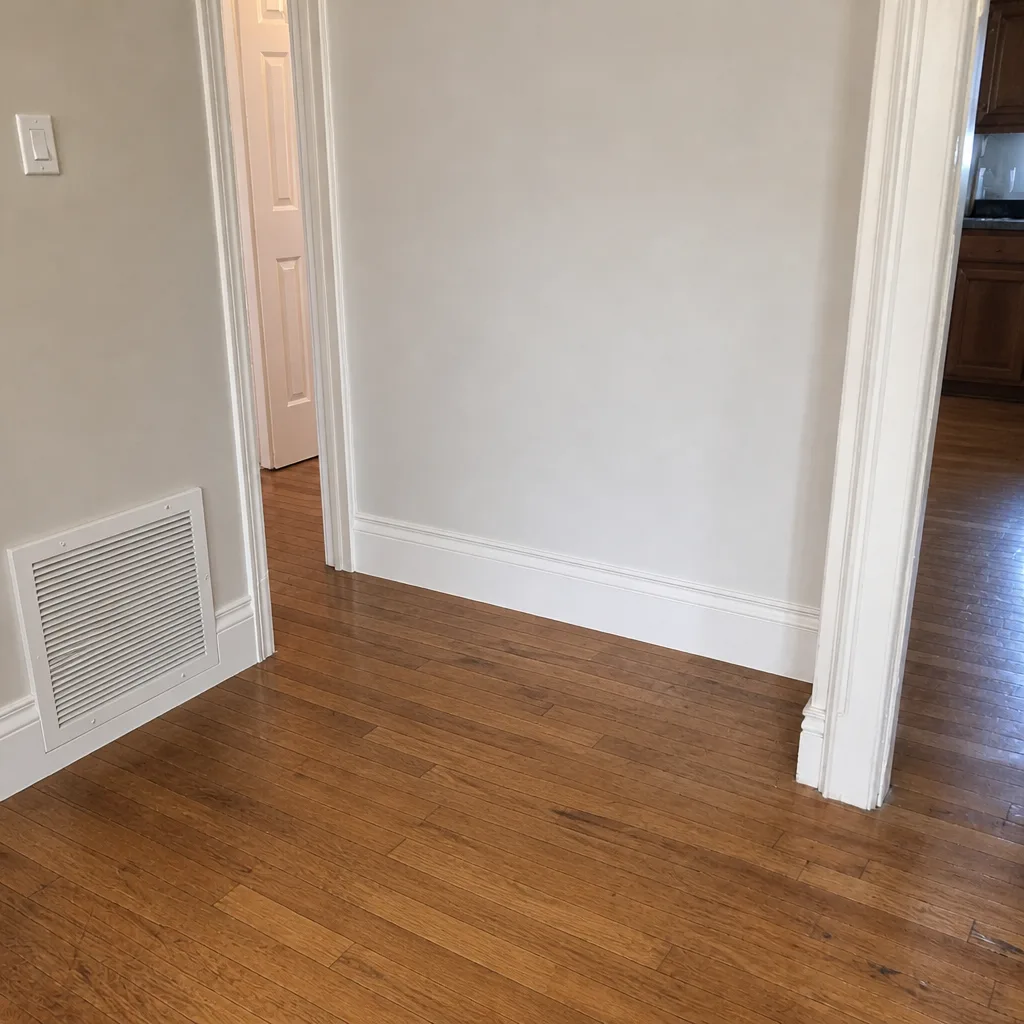
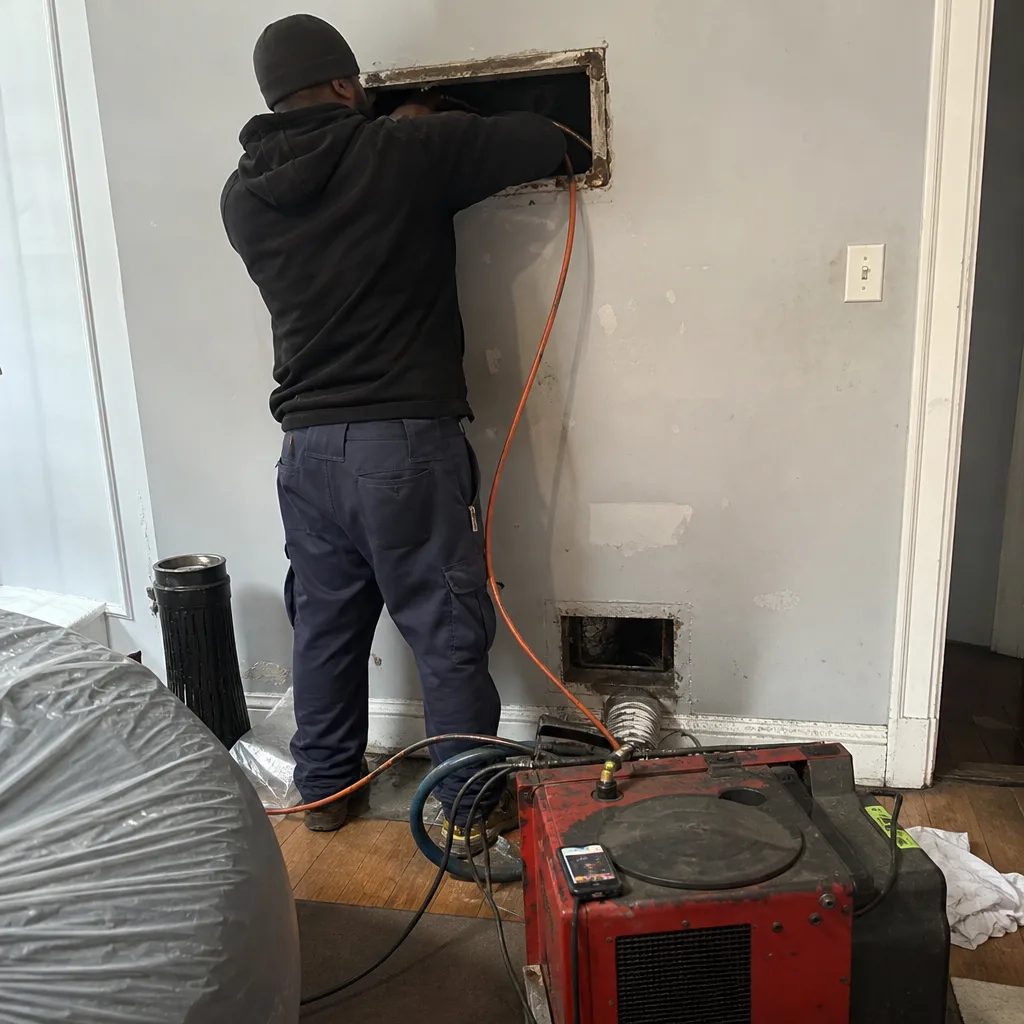
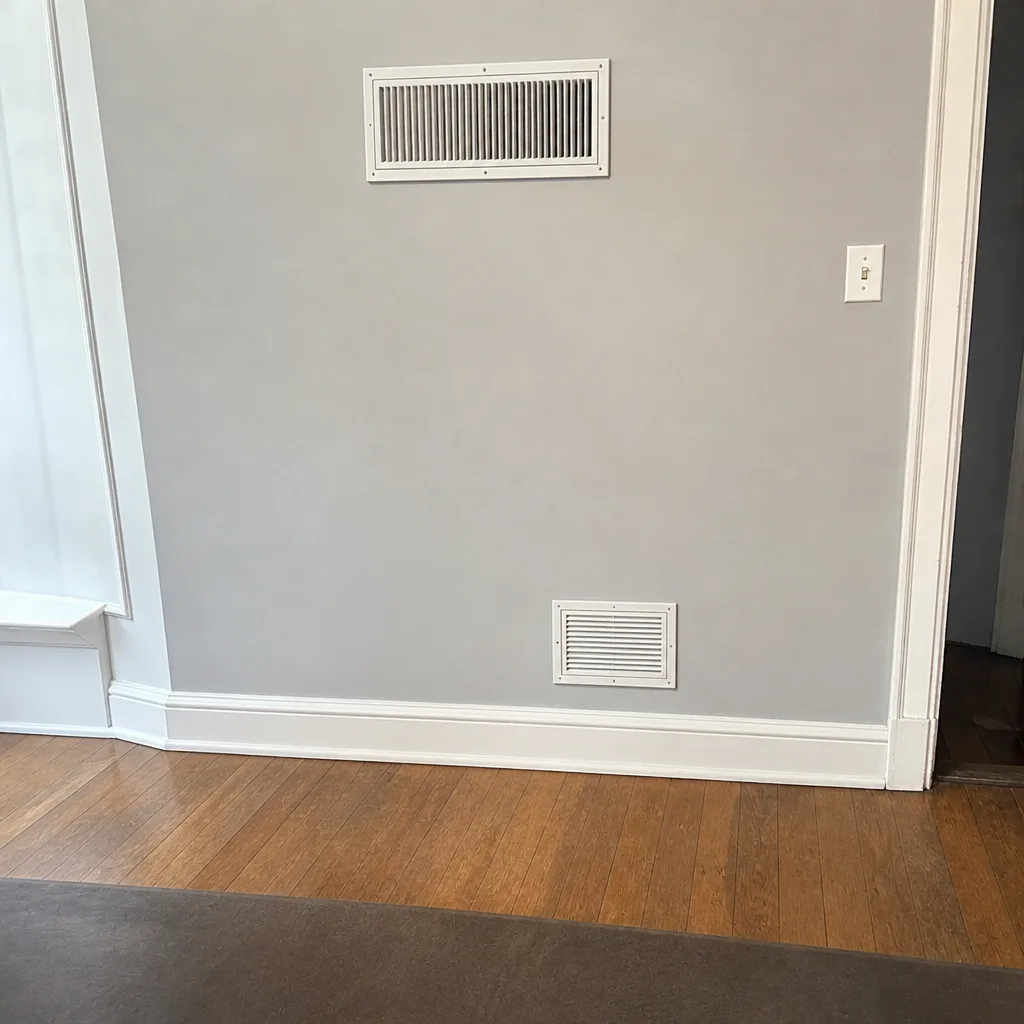
Whole-system duct and dryer vent check with before-and-after photos - you see exactly what came out of your vents
That "$99 whole-house special" is a bait ad - the real number appears once they are in your hallway, or the "clean" is a shop-vac at the register. We photograph the inside of your ducts before and after instead.
Air Duct Cleaning Permits, Codes & Inspections in East Flatbush, NY: What You Need to Know
Here’s the part most people don’t expect: cleaning your ducts almost never requires a permit, but the repair that follows a bad inspection often does. When a technician opens a ceiling and finds a collapsed flex run in a pre-war brick building off Church Avenue, replacing that run is a mechanical alteration under NYC Building Code. Pulling it without a permit can muddy an insurance claim and surface years later at a home sale. This guide maps exactly where routine duct maintenance ends and permitted work begins in East Flatbush, and what to ask for in writing so nothing comes back to bite you.
Quick Answer
Air duct cleaning itself does not require a permit in New York City. Cleaning, sanitizing, and minor sealing of existing duct joints are routine maintenance. Work that modifies duct geometry, replaces duct liner, adds a new register, or treats confirmed mold growth typically crosses into permit or licensed-contractor territory, and that line is what we walk through below.
Styles & brands we work with
- Whole-home duct cleaning
- Dryer vent cleaning
- Camera inspection
- Sanitizing & deodorizing
Table of Contents
- What duct work is permit-exempt in East Flatbush?
- What duct work needs a permit or licensed sign-off?
- Mold in ducts: where NYC DEP and DOB come in
- Local Law 97 and duct sealing in multi-family buildings
- How duct inspections actually work
- What to get in writing before work starts
- Permits, codes, and your home sale
- What this costs in East Flatbush
What duct work is permit-exempt in East Flatbush?
Cleaning, sanitizing, and minor sealing of existing duct joints are permit-exempt in East Flatbush. These are maintenance actions that keep a system running the way it was designed, and New York City does not treat them as construction. You’re not adding to the building, changing its footprint, or altering a mechanical system’s layout. You’re restoring function.
Here’s what falls cleanly into that exempt bucket:
- Full duct cleaning with a rotary contact system. Dislodging dust, debris, and compaction from the interior walls of your existing ducts changes nothing structural.
- Sanitizing after cleaning. Applying a product like Guardsman to inhibit microbial regrowth and neutralize odor treats the interior surface. No geometry changes, no new components.
- Minor joint sealing at accessible connections. Taping or mastic-sealing a leaking joint where two sections meet is routine upkeep.
- Access panel installation for inspection in many cases, since it’s a service cut to reach the system, not a modification of how air moves. It’s worth confirming with your contractor how they handle this specifically.
- Filter replacement and air quality component swaps on existing Honeywell or Aprilaire housings. Changing a filter isn’t a mechanical alteration.
We work in a lot of the older housing stock around Rugby Road and Beverley Road, where ducts were retrofitted decades after the buildings went up. Original installations didn’t always leave easy access. Cleaning those systems without tearing anything out is the whole point of the exempt category, and it’s where a rotary brush system earns its keep.
For a look at what the cleaning service itself covers, see air duct cleaning and how we scope it.
What duct work needs a permit or licensed sign-off?
Duct repairs that change the system’s geometry typically require a permit or a licensed contractor’s sign-off in East Flatbush. When you move from cleaning to reconstruction, the work becomes a mechanical alteration under NYC Building Code, and that changes who’s allowed to do what.
Here’s the practical split:
- Duct liner replacement. Interior liner is part of the duct’s rated assembly. Swapping it is a modification, not a cleaning.
- New register installation. Cutting a new supply or return into a wall or floor changes airflow design and needs a permit in most cases.
- Rerouting or replacing a run. If a collapsed flex duct has to come out and a new one goes in, that’s a mechanical alteration.
- Resizing or relocating trunk lines. Any change to the duct’s dimensions or path is a design change.
- Connecting new equipment. Adding a whole-home air cleaner or filtration housing where none existed can cross into mechanical permit territory depending on the scope.
We’ve seen this catch homeowners by surprise because the trigger isn’t obvious. A cleaning visit reveals a broken section, and suddenly the conversation moves from maintenance to construction. The right move is not to have a cleaning technician quietly swap the duct on the spot. The right move is to document what’s failing, get a written scope, and if the repair modifies the system, engage a licensed contractor who pulls the permit.
Our position is simple. We separate the cleaning from the reconstruction. We can handle HVAC cleaning and sealing at existing joints, and we’ll tell you in plain terms when a repair has moved past what cleaning should touch. That’s how you avoid a permit mess that complicates your insurance or your eventual sale.
Mold in ducts: where NYC DEP and DOB come in
There are two different city agencies involved with moldy ductwork, and they do different jobs. The NYC Department of Health and Mental Hygiene (DOHMH) publishes the city’s mold guidelines, the NYC Department of Buildings (DOB) handles construction and mechanical permits, and the NYC Department of Environmental Protection (DEP) enforces asbestos and air quality regulations that can affect remediation scope. Confusing those three is the most common source of trouble we see.
Here’s the short version of how they interact:
- Cleaning removes surface debris and contamination from the duct interior. No permit involved.
- Sanitizing treats the surfaces to inhibit regrowth. Still maintenance.
- Mold remediation begins when contamination is extensive enough that material has to be removed or the affected area contained. That often requires a licensed mold assessment and remediation contractor, and in some cases notification to the city.
- If asbestos-containing material is suspected, the DEP’s asbestos rules apply before anyone disturbs it, and a licensed asbestos contractor handles removal.
Where a cleaning company’s scope ends depends on what’s actually found. If a camera inspection shows localized surface growth on duct walls, cleaning with Abatement Technologies air filtration running on-site to control what goes airborne, followed by Guardsman sanitizing, is a legitimate maintenance response. If the growth has penetrated porous liner or spread into wall cavities, that’s remediation, and it belongs to a licensed remediator.
We hold that line. In a lot of the older brick two- and three-family buildings across East Flatbush, the ducts sit in humid, unconditioned spaces and moisture finds its way in. We inspect with a camera before we ever quote a sanitizing job, because cleaning a system that’s actively wet just postpones the problem. A duct issue is one thing to correct. A moisture source is another, and that conversation may belong to a plumber or roofer before it belongs to us.
Local Law 97 and duct sealing in multi-family buildings
Local Law 97 sets carbon emission limits on large buildings and has pushed energy efficiency squarely into New York City building management. In East Flatbush, where a large share of the housing is multi-family and rental, that has made duct sealing a real budget line rather than a nice-to-have.
Duct leaks waste conditioned air. When a supply joint in a basement trunk line leaks into an unconditioned crawlspace, your boiler or furnace is heating the void instead of the apartment. Sealing those joints reduces the load the mechanical system has to carry, which is exactly what an emissions target rewards.
But here’s where codes matter for building managers: the sealing work that saves energy and the sealing work that needs a permit aren’t always the same thing. Mastic-sealing an accessible joint is maintenance. Adding new duct, rerouting a trunk, or replacing damaged sections of a duct run is construction. Property managers working toward a Local Law 97 goal need to know which is which before a work order goes out, because a permit pulled in the middle of a job is a schedule problem and a cost problem at once.
The practical approach we use in East Flatbush multi-family buildings:
- Start with a full Air Duct Cleaning East Flatbush survey of the existing system so you know exactly which joints are leaking and what condition they’re in.
- Categorize repairs into exempt joint sealing versus permitted alterations, and get that categorization in writing.
- Schedule the sealing and the cleaning together so the building isn’t out of service twice.
- Keep documentation of the exempt work separate from any permit file, so a building inspection or energy audit can see which is which.
For the systems that feed individual apartments, dryer vent cleaning is a separate service worth scheduling alongside the efficiency work, since lint buildup in shared vent stacks is a known fire risk and every bit as much a code concern.
How duct inspections actually work
A duct inspection is a camera-and-airflow evaluation of your existing system, not a visual glance at a vent. Here’s what a proper inspection involves and why it matters for the permit question.
The steps, in order:
- Source assessment. We look at the air handler, the return plenum, and the filter housing. If the filter is undersized or failing, contamination will return no matter how well we clean.
- Camera inspection of the trunk and branch runs. This is the source of your findings. It reveals compaction, disconnections, standing moisture, liner damage, and mold growth.
- Airflow measurement. Uneven cooling and heating complaints in the old East Flatbush brick buildings usually point to a specific run that’s restricted or leaking. Measuring airflow confirms which.
- Written findings. Everything observed, in writing, with photographs and the specific location of each finding.
- Scope recommendation. Cleaning, sealing, sanitizing, repair, or referral to a licensed contractor, based on what the inspection found.
That written findings document is what separates a real inspection from a sales pitch. If a contractor can’t show you photos of your own ducts and name what they found, the inspection is theater. It also matters for permits: if a repair is later determined to need one, the inspection record is your baseline evidence of the condition before work started.
What to get in writing before work starts
Ask for a written scope that separates maintenance from construction. That single document is what protects you if permit questions surface later, and it’s surprisingly rare in the industry.
Here’s what your scope should spell out:
- Exact work items. “Clean trunk and branch runs in the main house” is specific. “Full system cleaning” is not.
- Whether any work involves modification. State plainly if any item changes duct geometry, replaces liner, adds a register, or reroutes a run.
- Whether a permit is required for any item, and who pulls it. If the answer is “yes,” the licensed contractor’s name should be on the document.
- Access points. Where the contractor will cut and how they’ll finish the opening afterward.
- Equipment being used. Naming the actual system, like Rotobrush rotary contact cleaning or a Nikro unit, tells you the caliber of the job.
- Photographs before and after. Get it agreed that you’ll receive before-and-after photos of your own ducts, not stock images.
- What happens if the scope changes. If a repair is discovered mid-clean that would need a permit, the scope should say the job pauses and gets re-quoted, not that the technician improvises.
- One flat price per system. Agreed before work starts, not a per-vent price that balloons when the tech is on site.
Get all of that in writing, and the permit question is answered before it ever becomes one. In our experience, homeowners and property managers who ask for this email us back six months later to say the documentation saved them during a mortgage or insurance review.
Permits, codes, and your home sale
Unpermitted duct work is a disclosure problem at sale time, and buyers’ attorneys in East Flatbush ask about it. A mechanical alteration done without a permit shows up in a title search or a buyer’s inspection and suddenly becomes a negotiation item, even years after the work was done.
The repairs that most often trigger this are predictable:
- A collapsed flex duct replaced by a cleaning technician on the spot.
- A new register cut into a wall without a permit.
- An air quality filtration component installed where a permit should have been pulled for the mechanical connection.
We see this pattern in East Flatbush because the housing stock is old and the systems are irregular. When a duct inspection turns up a repair that crosses into permit territory, the clean way to handle it is to document, pause, and refer the reconstruction to a licensed mechanical contractor who pulls the permit. The cleaning, sealing, and sanitizing that don’t require one we finish and document separately. That gives you a clean file. It’s a question of sequencing, not capability, and it’s the reason we insist on writing the scope before we start.
What this costs in East Flatbush
There’s no honest way to give you a single price for this kind of work, because the variables differ so much between a two-family frame house near Farragut Road and a multi-family brick building on Utica Avenue. What we can do is give you honest whole-system ranges and tell you what each of them includes.
What you’ll see quoted in this market, typically:
- Air duct cleaning for a standard two-family home, whole-system range: roughly $400 to $1,000 depending on the number of runs and access difficulty.
- Sanitizing as an add-on to cleaning: typically in the $150 to $350 range.
- Sealing at accessible joints: quoted as part of the cleaning scope, not per-joint.
- Repairs that modify duct geometry or replace liner: quoted separately by a licensed contractor, and the permit fee is typically the city’s, passed through at cost.
Those are estimates, not firm prices. The written estimate you receive, per system, sets the final number. We don’t do per-vent pricing and we don’t discount-tease a number you’ll see grow once the tech is on site. One flat price per system, agreed before work starts, and the same price on the invoice.
The other thing worth knowing. Cleaning without pictures is a claim; cleaning with pictures is a service. We photograph your ducts before and after, and we send them to you. That’s how you know the work was actually done.
Common Mistakes to Avoid
- Letting a cleaning tech replace a collapsed duct on the spot. That’s a mechanical alteration. It belongs to a licensed contractor who pulls the permit, and the cleaning company should pause and refer it, not improvise.
- Accepting a per-vent price. Per-vent pricing invites you to worry the tech will find more vents than you thought you had. Insist on one flat price per system, agreed in writing.
- Skipping the camera inspection. A quote given over the phone without a source assessment is a guess dressed as a price, and it’s how mold and moisture problems get missed.
- Treating mold in the ducts as a cleaning problem. Surface contamination and porous-liner contamination require different responses. One is maintenance, the other is remediation, and confusing them is the expensive mistake.
- Not asking for the scope in writing. If the permit question comes up later, and it can come up years later at a home sale, a written scope is the difference between a clean file and a negotiation.
- Sealing joints but not fixing the filter housing. An undersized filter housing at the air handler will let contamination return. Honeywell and Aprilaire housing upgrades exist for a reason, and skipping that step wastes the cleaning.
- Assuming duct work is a fire-and-forget job. Ductwork in the older brick buildings across East Flatbush collects what the building’s HVAC, cooking, and humidity conditions throw at it. The interval between cleanings should be based on the inspection, not a number on a marketing card.
See the difference
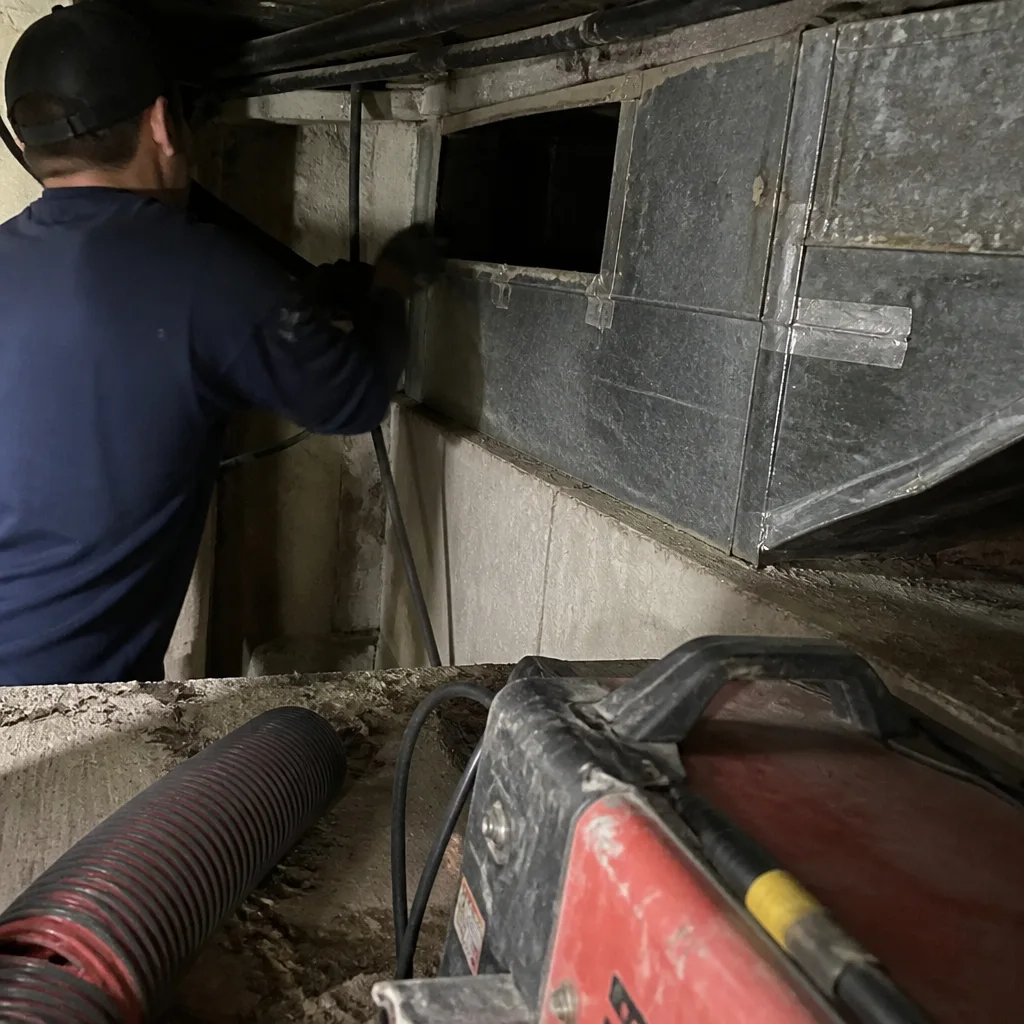 Before
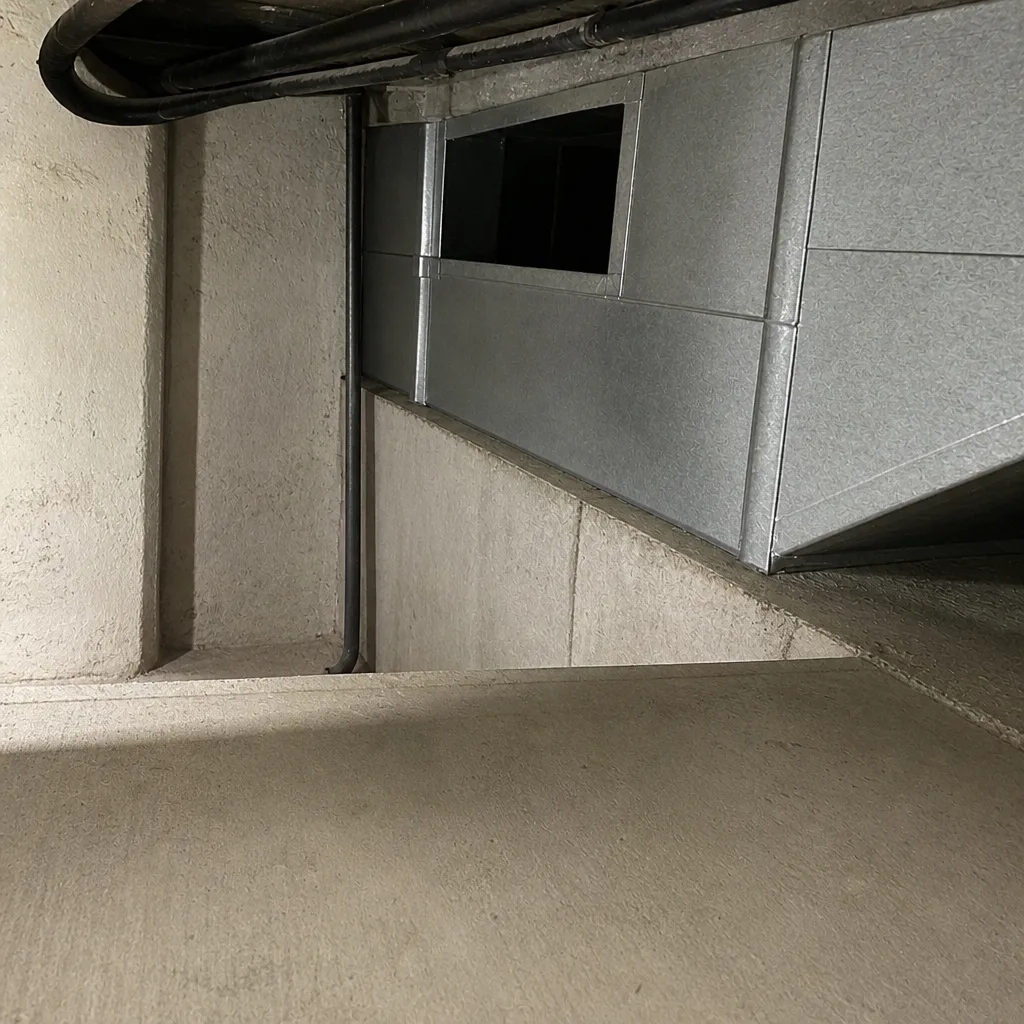 After
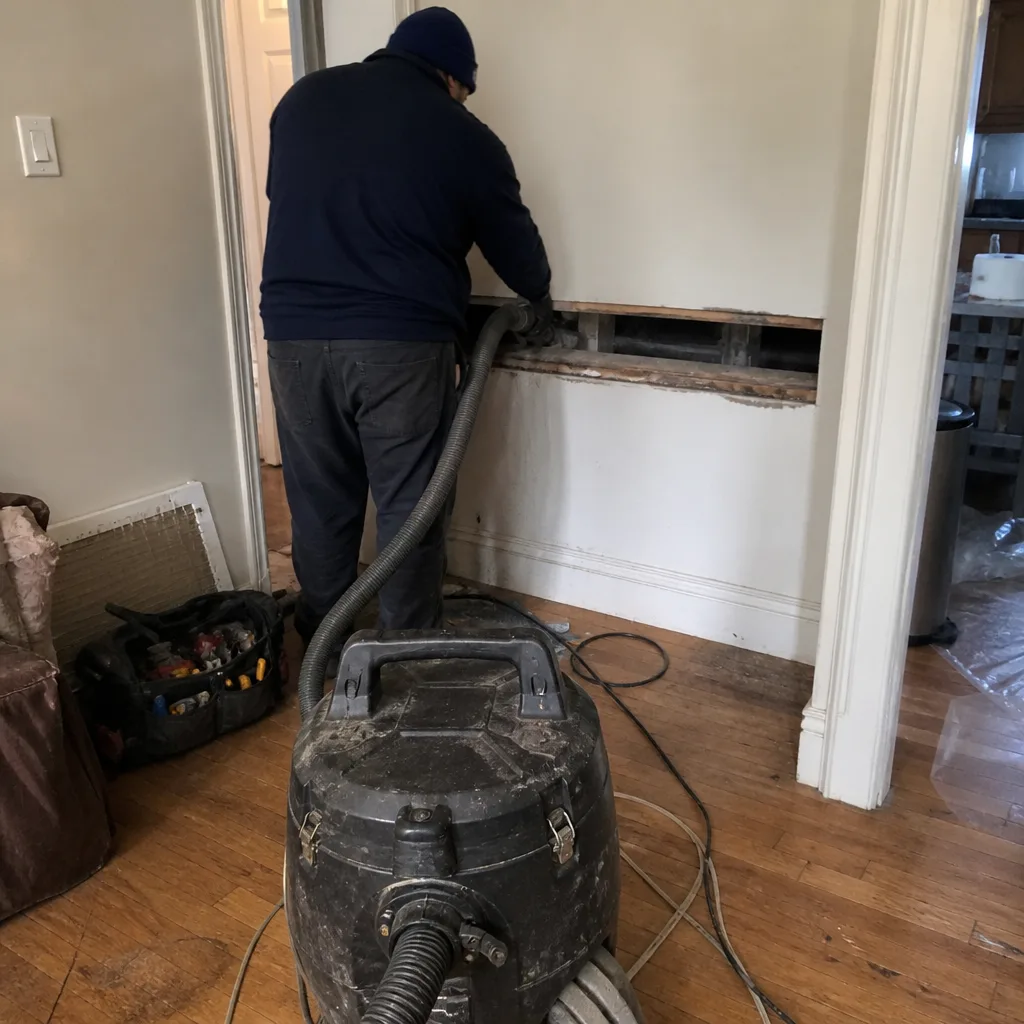 Before
 After
 Before
 After
When to Call a Professional
Some duct findings are worth a second opinion, and some aren’t safe to leave alone. Call a professional if you’re seeing visible mold near a vent, if the ducts are producing a persistent musty odor, if a room is significantly warmer or cooler than the rest of the house, or if the inspection revealed a disconnected run or collapsed section. Those are findings that do not resolve themselves with a filter change, and each one is a reason to have the system looked at properly rather than cleaned and hoped over.
If you’re preparing a multi-family building for a Local Law 97 audit or a sale, the same logic applies, and the sooner you have a documented inspection, the more options you have. If a repair turns out to need a permit or a licensed contractor, you want to know that before it’s already on the schedule.
Air Duct Cleaning East Flatbush offers free estimates in East Flatbush. Call (844) 484-4185. We answer 24/7, with fast dispatch from 7am to 7pm, Sunday through Friday.
Frequently Asked Questions
No. Cleaning, sanitizing, and minor sealing of existing duct joints are permit-exempt in New York City. The permit question only comes up when the work modifies duct geometry, replaces liner, or adds a new register. Call (844) 484-4185 for an exact quote on your system, and estimates are free.
Duct liner replacement, new register installation, rerouting or replacing a run, resizing or relocating a trunk line, and connecting new mechanical equipment all typically require a permit or a licensed contractor in East Flatbush. These are mechanical alterations under NYC Building Code, not maintenance. If a cleaning inspection finds one of these, we pause and refer it to a licensed contractor.
Before-and-after photographs of your own ducts, taken on site and sent to you. Anything less and you’re taking a verbal claim on faith. We insist on photographs because that’s the difference between a real inspection report and a sales pitch. Call (844) 484-4185 to book an inspection with the photos included, and estimates are free.
Usually because the cheap quote is per-vent, discounted, and designed to grow once the technician is on site. A per-vent number lets a cleaner find “more vents than you mentioned” and add them to the invoice. We work on one flat price per system, agreed before work starts. Call (844) 484-4185 for an honest whole-system estimate, and estimates are free.
When contamination has penetrated porous liner or spread into wall cavities, it becomes a remediation job rather than a cleaning job. Surface growth on duct walls can be cleaned and sanitized, but porous-liner contamination belongs to a licensed remediator, and if asbestos is suspected, NYC DEP asbestos rules apply before anyone disturbs it. Call (844) 484-4185 if you want an inspection to sort out which category your system falls into.
There’s no single schedule that fits every home. The right interval depends on your filter, your humidity, your system, and what the inspection finds, which is why we base the recommendation on an inspection rather than a fixed number of years. A two-family frame house and a multi-family brick building need different intervals. Call (844) 484-4185 for an exact quote on an inspection, and estimates are free.
The Bottom Line
The permit line in East Flatbush duct work is drawn between maintenance and mechanical alteration. Cleaning, sanitizing, and sealing existing joints are maintenance, no permit required. Liner replacement, new registers, rerouted runs, and resized trunk lines are construction, and they need a permit or a licensed contractor. Mold remediation is its own category, somewhere between cleaning and construction, and the correct response depends on whether growth has penetrated material or stayed on the surface. Get the scope in writing, demand photographs of your own system, insist on one flat price per system, and you’ll have the documentation that protects you at insurance review and at sale.
Our technicians have up to 13 years of experience working with the equipment commercial contractors use, including Rotobrush rotary contact cleaning, Nikro systems, and Abatement Technologies air filtration on-site. We stock and service Honeywell and Aprilaire air quality components, so a single visit handles both the cleaning and the filtration upgrade. And we tell you in plain terms when a repair has moved past what cleaning should touch and belongs with a licensed contractor.
Call (844) 484-4185 for a free estimate. We answer 24/7. Fast dispatch from 7am to 7pm, Sunday through Friday.
Written by the team at Air Duct Cleaning East Flatbush.