
Last updated November 22, 2026
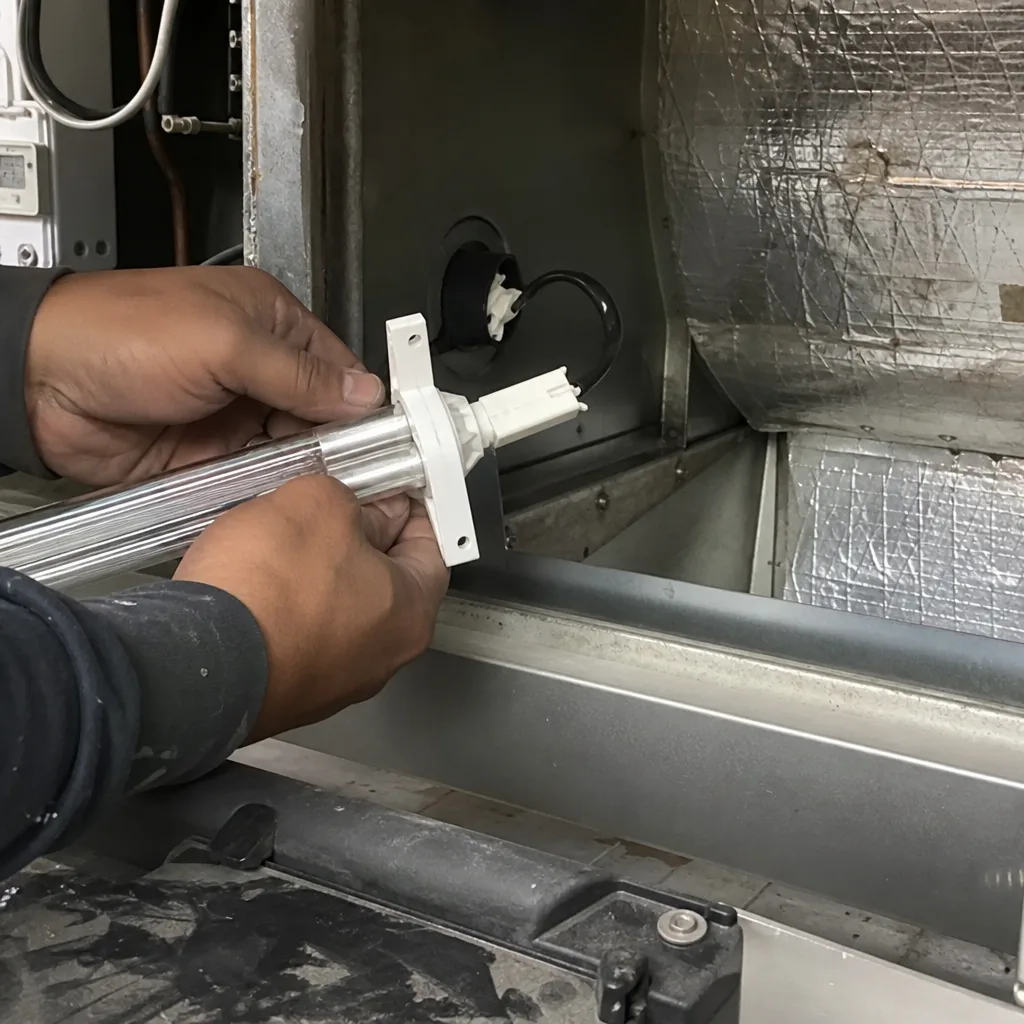
 Whole-home duct cleaning
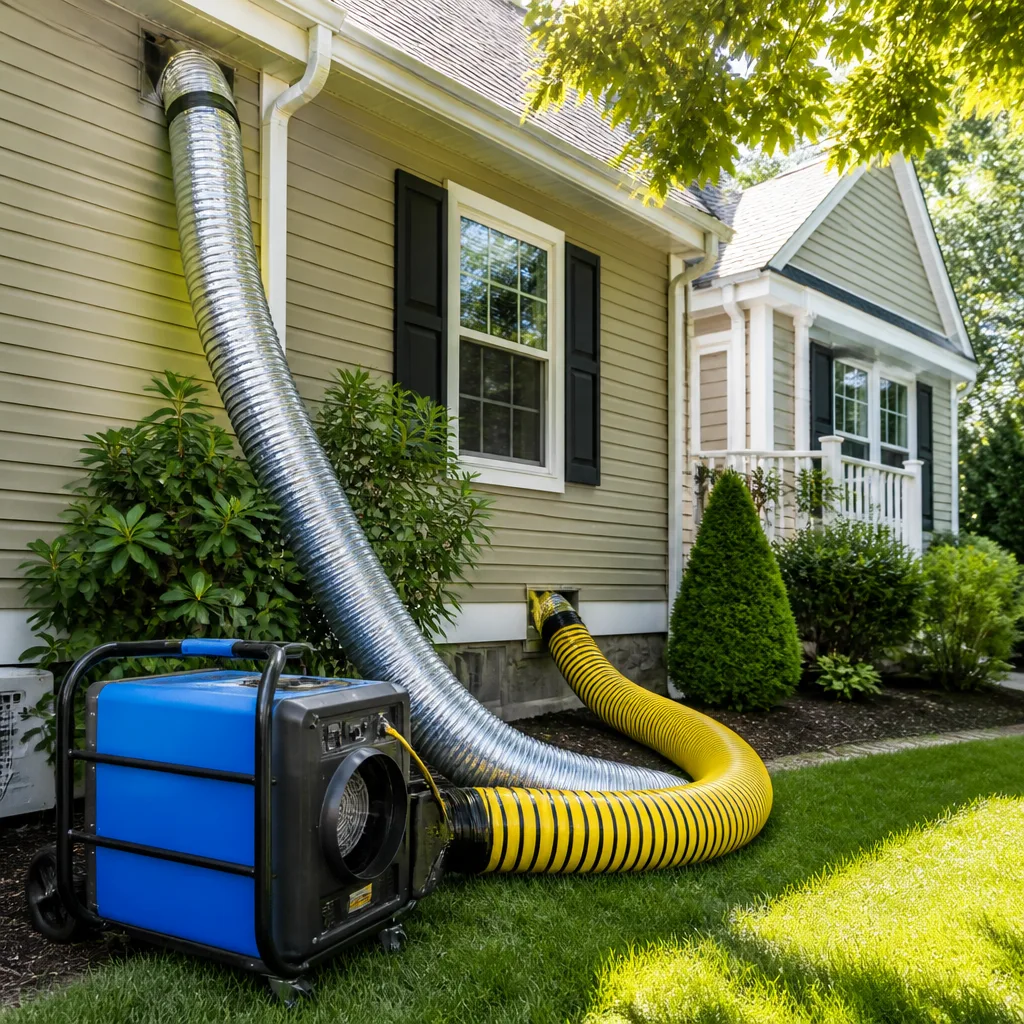
 Dryer vent cleaning
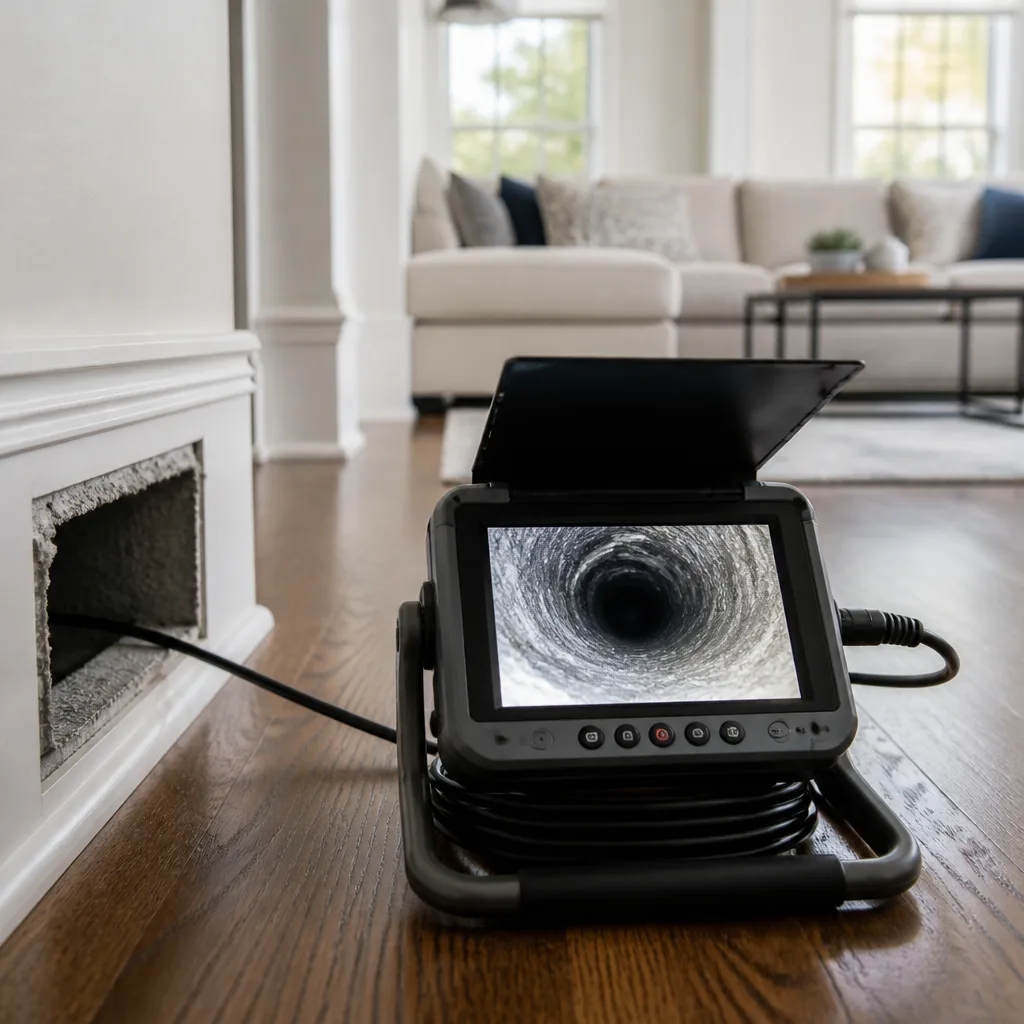 Camera inspection
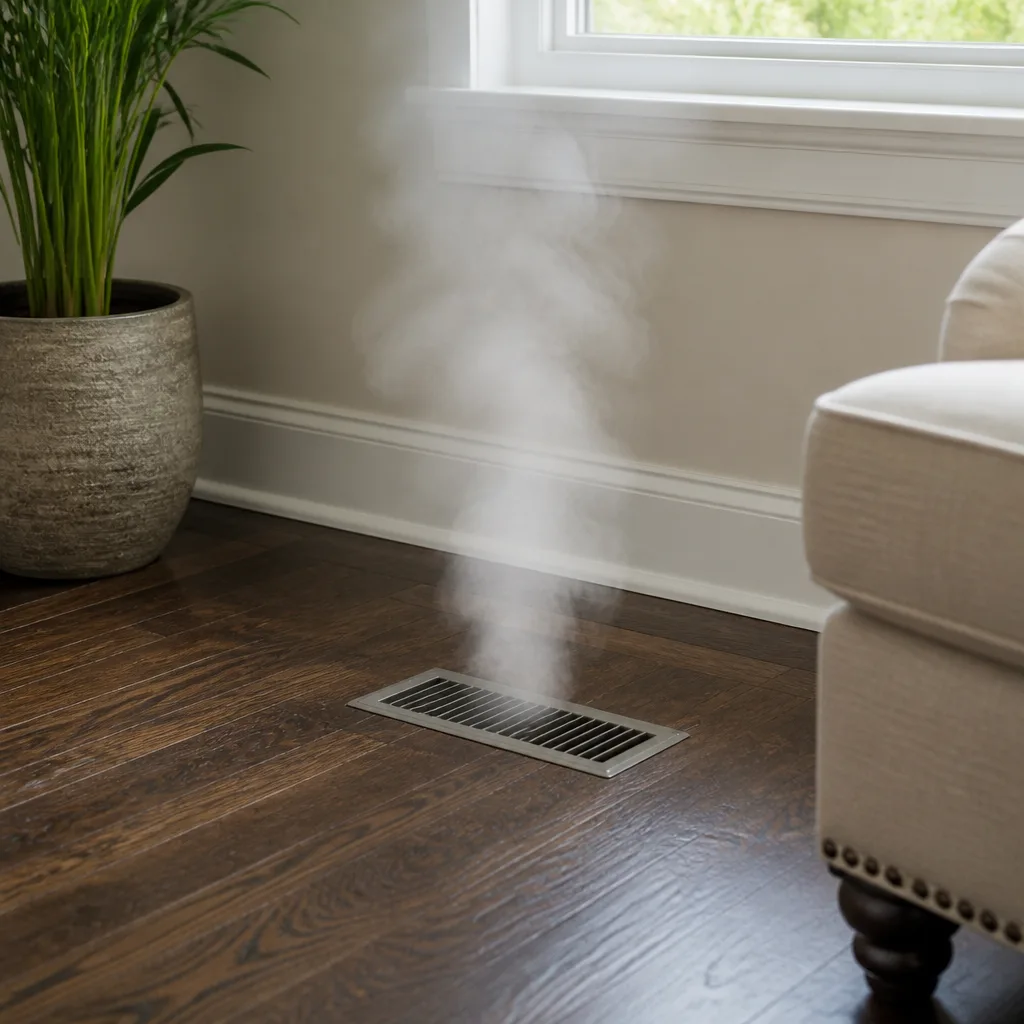 Sanitizing & deodorizing
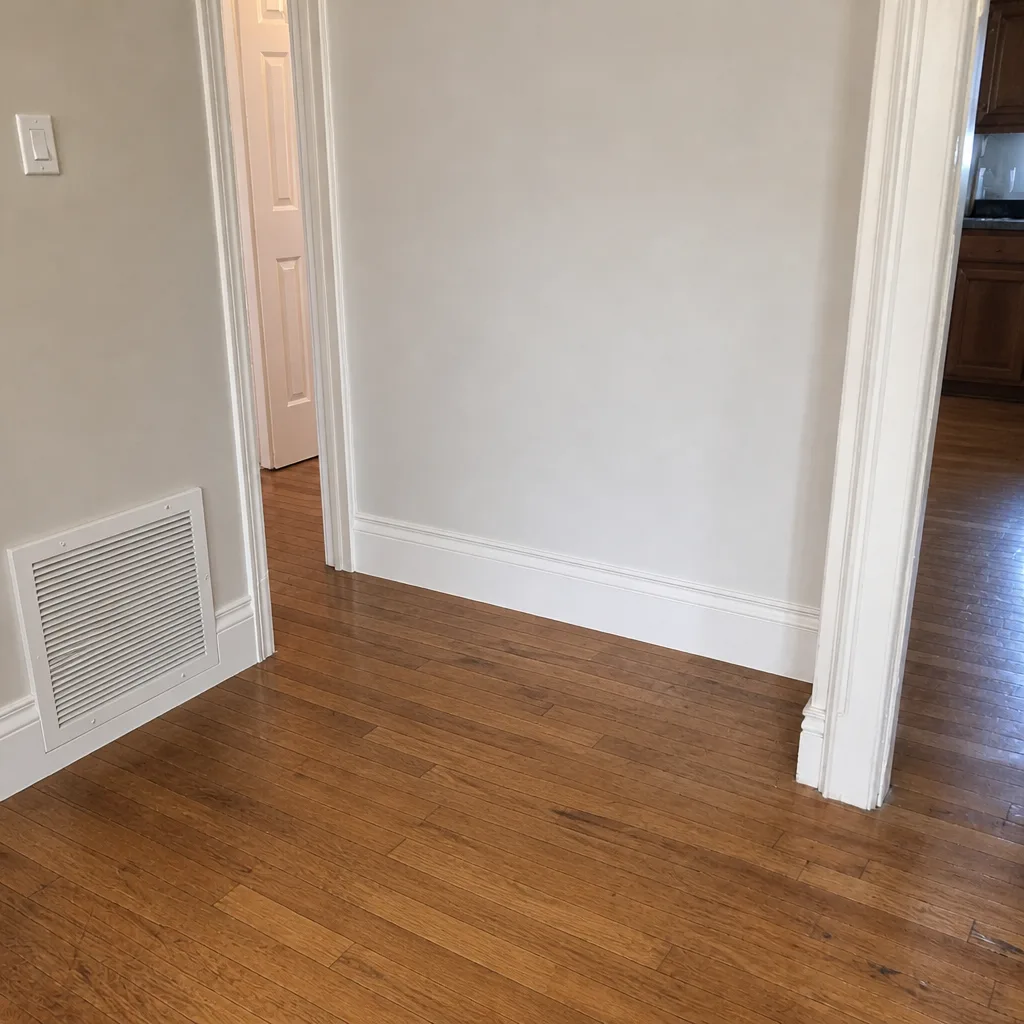
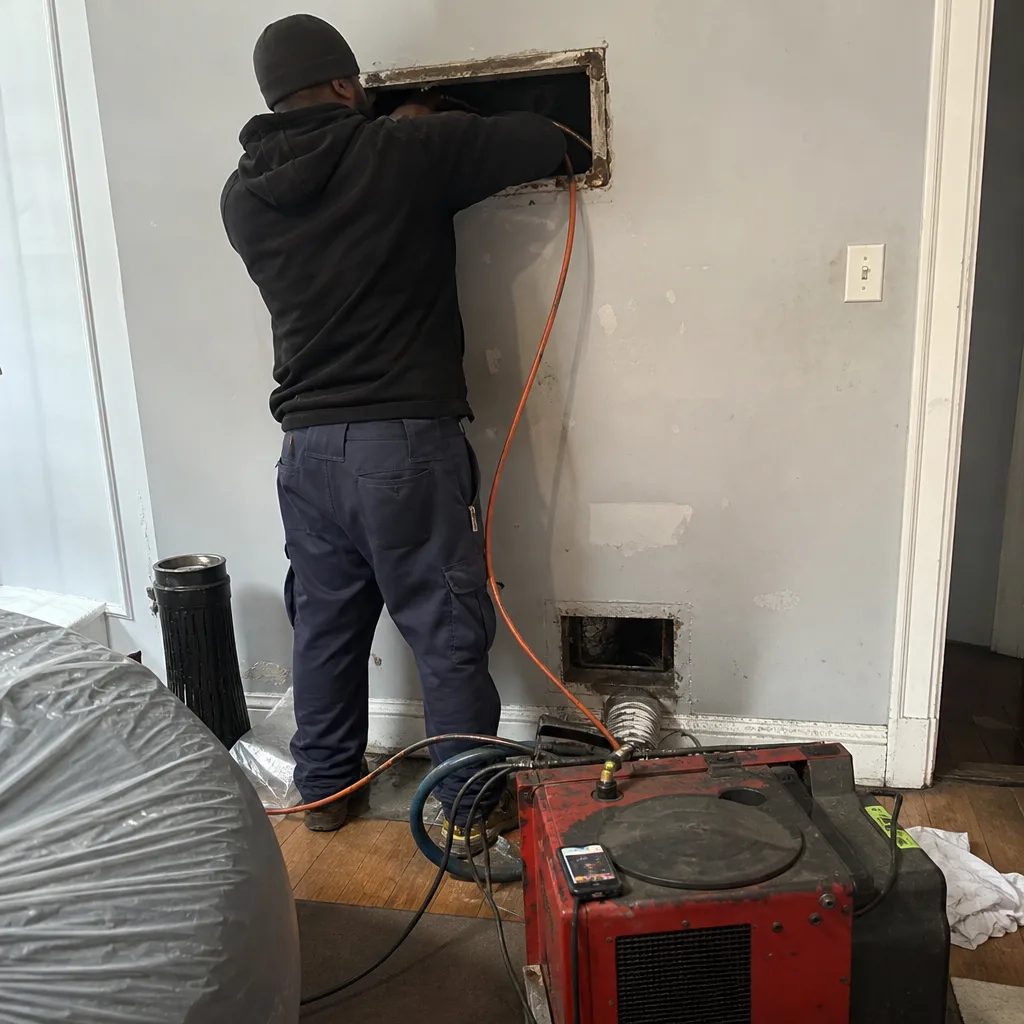
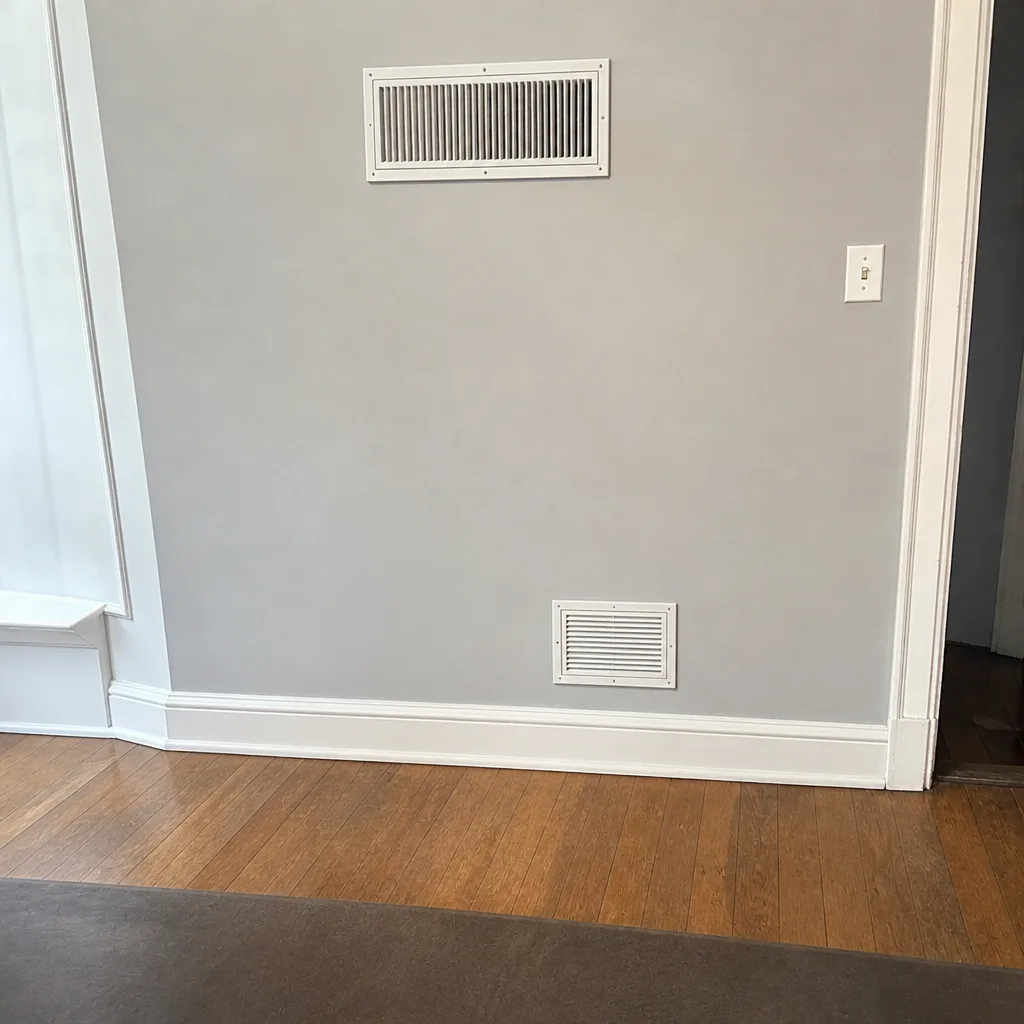
Whole-system duct and dryer vent check with before-and-after photos - you see exactly what came out of your vents
That "$99 whole-house special" is a bait ad - the real number appears once they are in your hallway, or the "clean" is a shop-vac at the register. We photograph the inside of your ducts before and after instead.
Air Duct Cleaning Warning Signs: An East Flatbush Homeowner’s Reference Guide
Dust on your registers is a late warning sign. By the time you can see it, your duct lining has already been accumulating debris for months. The signals that actually matter show up much earlier: a utility bill that creeps up for no clear reason, a filter that clogs in three weeks instead of three months, a bedroom door that swings on its own. In this guide, we’ll walk through the early-stage duct warning signs that show up months before visible dust or odor, how to read each one, and what to do about it. That’s especially useful in East Flatbush, where dense housing, shared walls, and older infrastructure make a small duct problem easier to miss and harder to live with.
Quick Answer
The earliest warning signs of dirty or failing ductwork are utility bill creep of 10-15% with no equipment change, filters loading visibly dirty in under 30 days, room-to-room pressure imbalances, and inconsistent odor patterns tied to system startup. Visual dust and debris are late indicators: by the time those appear, the problem has usually been building for months. If you notice two or more of these early signals at once in an East Flatbush home, it’s worth having the system inspected.
Styles & brands we work with
- Whole-home duct cleaning
- Dryer vent cleaning
- Camera inspection
- Sanitizing & deodorizing
Table of Contents
- Utility Bill Creep: The 10-15% Signal
- Filter Loading Rate as a Diagnostic
- Room-to-Room Pressure Imbalance
- Reading the Odor Pattern
- Post-Renovation Signs in Shared-Wall Housing
- The Visual Signs Everyone Already Knows (And Why They Come Last)
- How a Full-System Inspection Actually Works
- Sealing vs. Cleaning: Why the Root Cause Matters
Utility Bill Creep: The 10-15% Signal
An unexplained 10-15% increase in heating or cooling costs, with no change in equipment, usage patterns, or rate structure, is one of the earliest and most reliable duct warning signs. In many homes, that increase traces back to duct leakage or blockage rather than equipment failure. The furnace or boiler is running fine. It’s just working harder to deliver the same conditioned air through a compromised path.
Here’s why this happens. Ducts are not sealed pipes. In most housing stock, joints, collars, and boot connections leak a meaningful fraction of the air moving through them, and that leakage typically vents into unconditioned spaces: crawlspaces, wall cavities, attics. Every cubic foot that escapes before it reaches a room is a cubic foot you paid to heat or cool and then lost. Blockage compounds the problem. A partially collapsed flex run or a liner that has started to delaminate forces the blower to work against higher static pressure, which reduces airflow to the rooms that need it most.
What makes this tricky in East Flatbush is that utility bills here already vary widely month to month with weather and building type. A 12% jump in January is easy to write off as a cold snap. Compare the same month across two years, not one month to the next. A pattern of gradual, unexplained rises, especially if it’s sustained through a full season, is the signal worth acting on.
What to check before assuming ducts
- Any change to filter type or frequency? A higher-MERV filter can raise static pressure and mimic a duct problem.
- New furniture, a closed register, a new door undercut? Airflow changes quietly.
- Equipment service records: was the blower cleaned or adjusted recently?
- Rate changes: has your utility bill structure shifted, or is the increase in the usage portion only?
If everything else is stable and the bill is still drifting upward, the ducts deserve a look. That’s the point at which we’d recommend a proper inspection rather than another round of guessing.
Filter Loading Rate as a Diagnostic
If a MERV-8 filter is visibly dirty in under 30 days, something upstream in the system is contributing excess particulate. That’s the diagnostic. Filter lifespan is a measurable, homeowner-accessible signal that tells you more about duct condition than almost any visual inspection from a register.
A healthy duct system runs a standard MERV-8 filter for two to three months in most East Flatbush homes, sometimes longer in a household without pets or heavy cooking. When the same filter clogs in two or three weeks, the filter is doing its job: it’s capturing material that shouldn’t be moving through the airstream in the first place. The most common culprits are accumulated debris in the return-side ductwork, a compromised or disconnected return, and gaps pulling unfiltered air from unconditioned spaces into the system.
The reverse signal matters too. A filter that stays clean well past its replacement interval in a home that should be generating normal dust load often points to a return that’s disconnected, blocked, or drawing from the wrong space. Air is getting into the system from somewhere it shouldn’t be, or not getting in at all. Either way, the filter alone isn’t telling you the whole story.
A simple filter-loading check
- Note the date you install a new filter of known rating.
- Inspect the filter every 10 days, holding it up to light. Write down the date it first shows visible loading across the full face.
- Replace it and repeat the cycle once. One short cycle could be a fluke; two short cycles is a pattern.
- If loading time is consistently under 30 days, get an inspection before installing a higher-efficiency filter. Upgrading filtration on a dirty system just makes it clog faster.
This is also where filtration upgrades belong. Honeywell and Aprilaire components are built for whole-home systems that need consistent pressure and proper sizing. We install and service both, but always after the system is clean and verified, never before.
Room-to-Room Pressure Imbalance
Doors that swing open or shut on their own, or a room that stays consistently warmer or cooler no matter what you set the thermostat to, point to a duct restriction. Rooms aren’t magic. If one room is chronically hot in winter and cold in summer while the adjacent room is fine, the supply or return serving that room has a problem: a crushed flex run, a partially closed damper, a liner that has ballooned into the airstream, or a boot connection that’s separated at the wall.
Pressure imbalance is one of the under-appreciated early signs because it’s a mechanical observation, not a comfort complaint. A door that wants to close on its own is the building telling you that the supply and return air in that room are not balanced. When a room has more supply than return, the door gets pushed outward. When it has more return than supply, it gets pulled inward. Either way, the system is out of balance, and the imbalance usually traces to a duct issue rather than a thermostat problem.
In East Flatbush’s rowhouse and multi-family stock, this shows up in specific ways. A bedroom on the second floor with a marginal return run is often cooler than the hallway by several degrees. A room above an addition or a rear extension may have a duct run that was never properly sized for the space. Neither of these is unusual, and neither is a comfort failure. They’re diagnostics, and they matter.
Quick room-by-room check
- Set the thermostat to a single temperature and leave all interior doors open for two hours. Note room temperatures with an inexpensive thermometer.
- Close each room’s door and let the system run. Watch for doors that want to move.
- Feel the airflow at each supply with your hand. Consistent strength across rooms is good; one weak register with strong neighbors is a restriction.
- Note the return locations. If a room has supply but no return, it will always be a pressure problem.
Reading the Odor Pattern
Odor is a diagnostic tool, but only if you read it correctly. Different smells point to different root causes, and the timing of when the smell appears (on startup, throughout the run cycle, after shutdown) matters as much as the smell itself. Getting this right is the difference between treating the symptom and resolving the cause.
Mold smell: earthy, present on startup
An earthy, damp, basement-like smell that appears in the first minute or two after the system starts is the signature of microbial growth somewhere in the air path. It usually sits on wet surfaces: duct liner in a humidified zone, a condensate pan, a cooling coil, or a section of flex duct in a damp crawlspace. Mold odor on startup means the first air reaching the room is passing over the growth. Cleaning alone helps, but the moisture source needs attention too.
Pest smell: sharp, ammonia-adjacent
A sharp, acrid smell with an ammonia or ammonia-adjacent quality, often noted most strongly near a specific register or return, points toward pest activity rather than mold. Droppings, nesting material, or animal residue in a duct run produce this specific profile. It’s usually localized, which makes it easier to trace, and it warrants more than cleaning: the entry point has to be sealed or the problem returns.
Duct liner degradation: synthetic, chemical
A synthetic or chemical smell that doesn’t resolve, sometimes slightly plastic-like, points to internal duct liner that has started to break down or delaminate. Liner is a fiberglass mat bonded inside metal duct. When it degrades, it sheds and off-gasses. Cleaning can’t fix degraded liner. It has to be repaired or replaced, and we treat that as a duct repair job, not a cleaning job.
In our experience, most East Flatbush homeowners can tell the difference within a few days of paying attention. Write down what you smell, where, and when. That brief log is more useful to a technician than almost anything else you can bring to the inspection.
Post-Renovation Signs in Shared-Wall Housing
Renovation dust from a neighboring unit can enter your system through shared wall penetrations, and in East Flatbush’s dense housing stock that’s a common source of duct contamination that homeowners don’t connect back to the renovation. The dust doesn’t care about property lines. If the work is happening in an adjacent unit and the two share a wall, a mechanical chase, or a party-wall cavity with unsealed penetrations, construction particulate finds its way into the connected air path.
The signs to watch for in the weeks after a neighboring renovation:
- Sudden increase in visible dust on horizontal surfaces, particularly in rooms adjacent to the shared wall.
- Filter loading that accelerates noticeably compared to the prior month.
- Fine white or grey powder on register grilles that isn’t matched by anything happening inside your unit.
- New odor near a shared wall, especially drywall or joint-compound smells.
- A gap or noticeable draft at a baseboard, electrical box, or pipe penetration on the shared wall.
None of this means the system needs a full cleaning automatically. It means the system deserves an inspection, and that the party-wall penetrations are worth sealing if they’re open. Our duct repair and sealing work exists specifically for this scenario: finding the path the contamination used and closing it so the cleaning holds.
The Visual Signs Everyone Already Knows (And Why They Come Last)
We’re not going to pretend the obvious signs don’t matter. They do. But they’re the ones most likely to show up after months of invisible ones, and understanding the sequence tells you how far along a problem actually is.
Visible dust on registers, dark streaks around supply grilles, dust blowing back into the room within minutes of turning the system on, and a persistent dust film on furniture are all meaningful. A buildup of dust around the register frame usually means the duct boot itself is loaded to the point that debris is being pushed out into the room. That’s a mature problem, not an early one. The same goes for a visible layer of debris inside a return grille when you unscrew it: returns collect first, and anything visible there indicates the system has been picking up material for a while.
The visual timeline
- Months 1-3: Utility bill creep, filter loading changes, nothing yet visible.
- Months 3-6: Pressure imbalance in at least one room, new odor on startup.
- Months 6-12: Visible dust on horizontal surfaces, dust streaks near registers.
- Month 12+: Visible debris at the register boot, system cycling with visible dust exhaust, noticeable airflow loss.
By the time a register boot is visibly dusty, the duct lining behind it has already been accumulating material for most of a year. Which is the point of this guide: catching the problem in the early window, not after the dust shows up. That’s when a cleaning and sealing job prevents the kind of problem that actually requires one.
How a Full-System Inspection Actually Works
A real inspection of a duct system is a diagnostic process, not a quick glance into a register. Here’s what it looks like in practice, and what you should expect from any provider who’s assessing an East Flatbush home.
What an inspection should include
- Airflow measurement at each supply and return. Static pressure reading at the air handler to establish a baseline for the whole system.
- Filter and blower check. Filter loading rate, blower wheel condition, and coil cleanliness are all read together.
- Duct path walk-through. Every accessible run inspected, including boots, collars, and any flex duct transitioning to hard pipe.
- Camera inspection where runs are not accessible. Camera work is standard for confirming liner condition and locating nests, debris, or moisture.
- Connection and penetration check. Shared-wall penetrations, electrical, pipe, and plumbing entries sealed at duct boundaries.
- Written summary with photos. What was found, where, and what it means for the system.
The equipment matters. We use Rotobrush rotary contact cleaning systems and Nikro equipment, the same tools commercial contractors rely on because they reach duct walls in a way shop-vac-type systems cannot. Our Abatement Technologies air filtration units run on-site during the work so particulate is contained, not spread into the living space. That’s a remediation-level standard of care, not a consumer-grade one. Our technicians have up to 13 years of experience reading these systems, and we walk customers through what we’ve actually found before any work is recommended.
If you want to see how a full-system cleaning fits into this diagnostic work, the main Air Duct Cleaning East Flatbush page walks through the process from inspection to final verification.
Sealing vs. Cleaning: Why the Root Cause Matters
Cleaning a duct system that leaks returns to a dirty, unbalanced state quickly, because the leak was the mechanism pulling contamination in. That’s why the complete job includes air duct cleaning, sealing, and often repair in the same visit. Clean ducts are only half the job.
The clean half is straightforward. Rotary contact equipment dislodges and removes debris, and a HEPA-rated extraction path pulls it out of the system, not into your living room. The other half is what most single-step cleaning misses: sealing the joints, collars, and boot connections that let air in and out, repairing or replacing any liner that has degraded to the point where it can’t be cleaned, and treating the system with Guardsman sanitizing products after cleaning to inhibit microbial regrowth and neutralize odors at the source.
We also see, in this trade, systems where the return is undersized for the square footage it serves. Cleaning a system with an undersized return just means cleaning it again sooner. That’s a repair job. Our HVAC cleaning work is the starting point for those conversations: the blower, coil, and cabinet all belong in the same assessment as the ducts, because a dirty coil loads up a system just as fast as a leaking duct.
What “one visit, full system” actually means
- Rotobrush rotary contact cleaning through every accessible run.
- Nikro extraction and HEPA containment on site.
- Abatement Technologies air filtration running during the work.
- Sealing of joints, boots, and penetrations found during the inspection.
- Guardsman sanitizing to close out the job.
- Where filtration upgrade is warranted, Honeywell and Aprilaire components installed in the same visit.
If you’re also scheduling dryer vent cleaning, we’d flag that the same construction-period dust load that finds its way into your ducts also reaches the dryer vent, which is worth checking at the same time.
Common Mistakes to Avoid
- Waiting for visible dust before acting. Visible dust is a late sign. By the time it appears in East Flatbush homes, the lining has been loading for months, and the cleaning job is bigger than it needed to be.
- Upgrading filtration on a dirty system. A high-MERV filter on a contaminated duct runs at higher static pressure and clogs faster. Clean first, then size the filtration properly with Honeywell or Aprilaire components.
- Cleaning without sealing. Single-step cleaning on a leaking system recontaminates within a season. The joints and penetrations are the mechanism; they have to close.
- Ignoring the neighbor’s renovation. In shared-wall East Flatbush housing, construction dust from a neighboring unit reaches your system through wall penetrations. If you’re seeing new dust near a shared wall, inspect the system and seal the path.
- Sanitizing before cleaning. Sanitizer applied to a dirty duct is wasted; the biofilm and debris protect the surface underneath. Cleaning precedes sanitizing, always.
- Basing the decision on price alone. A low quote that doesn’t include the diagnostic work, sealing, or verification just defers the cost. Ask exactly what’s covered.
- Skipping the blower and coil. Ducts, coil, blower, and cabinet are one system. Cleaning half of it and calling the job done is common and it doesn’t hold.
See the difference
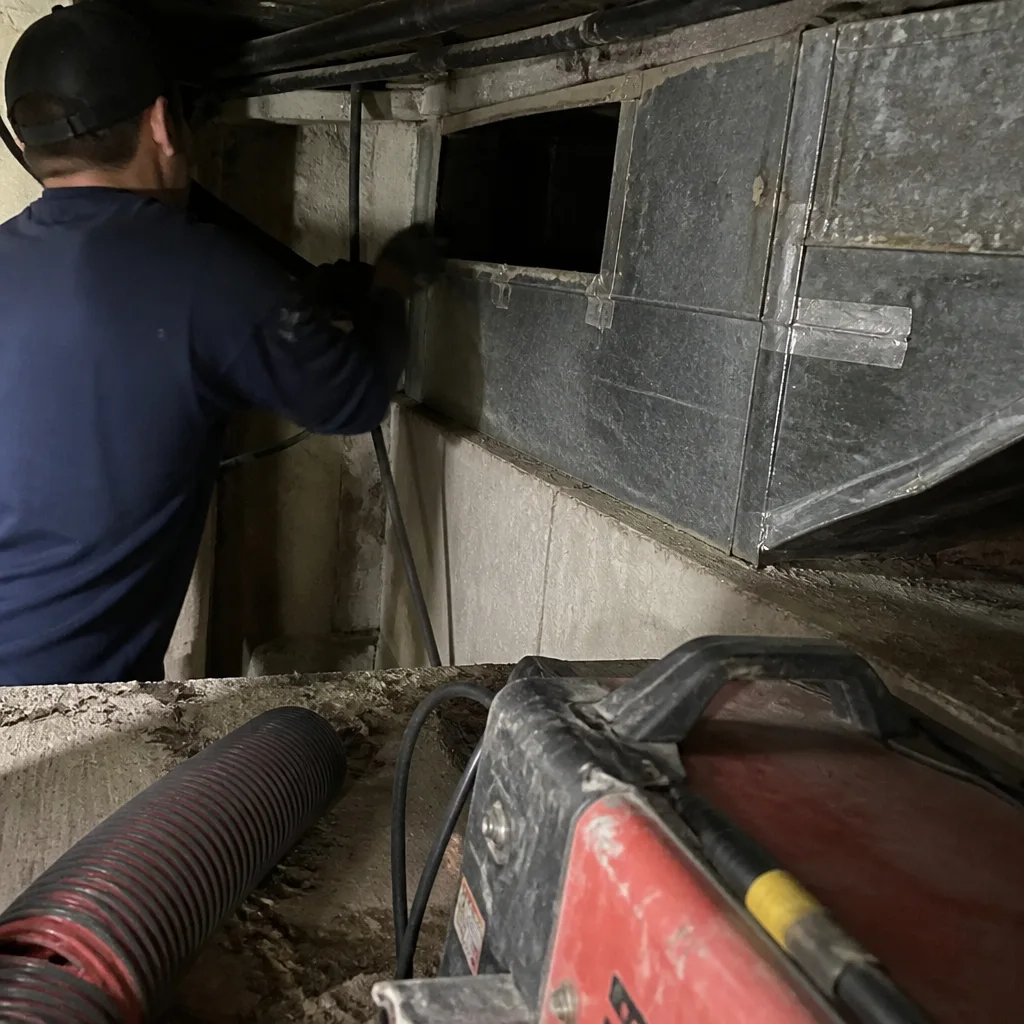 Before
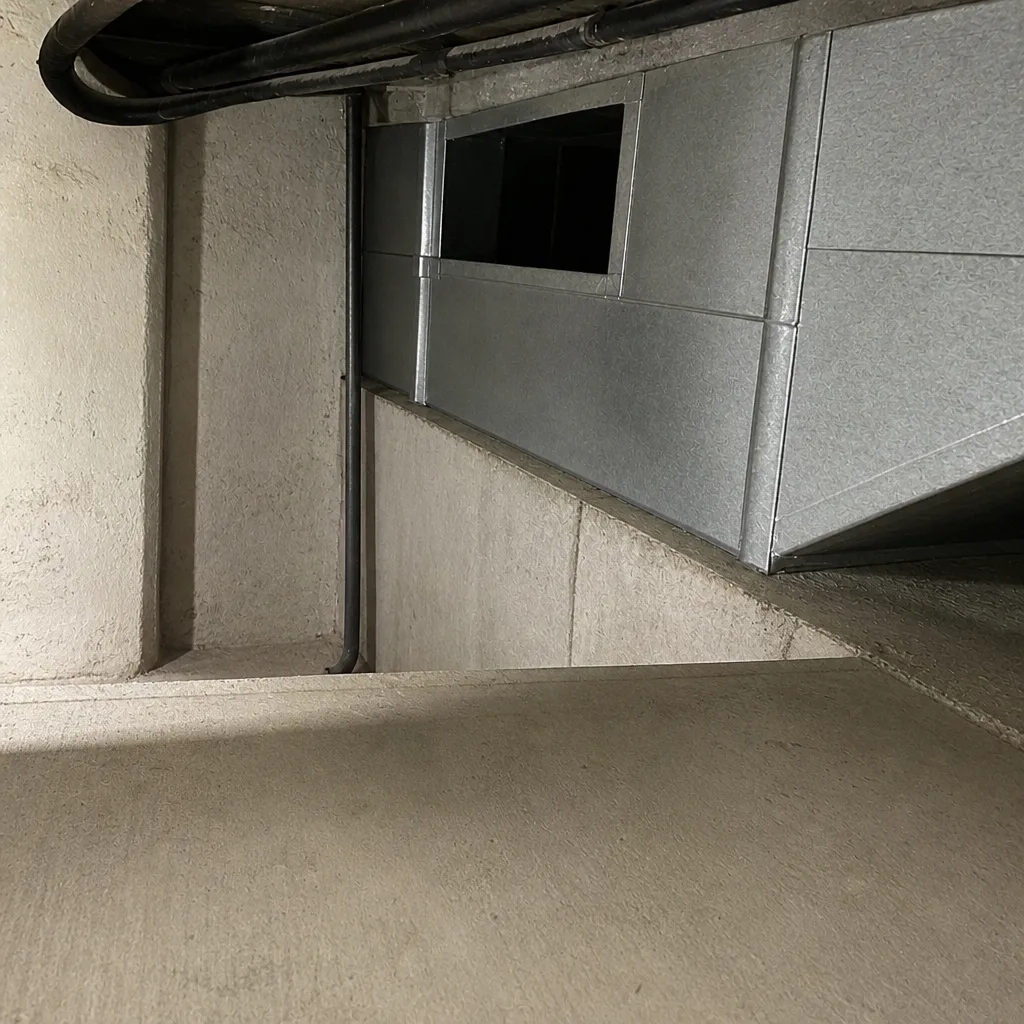 After
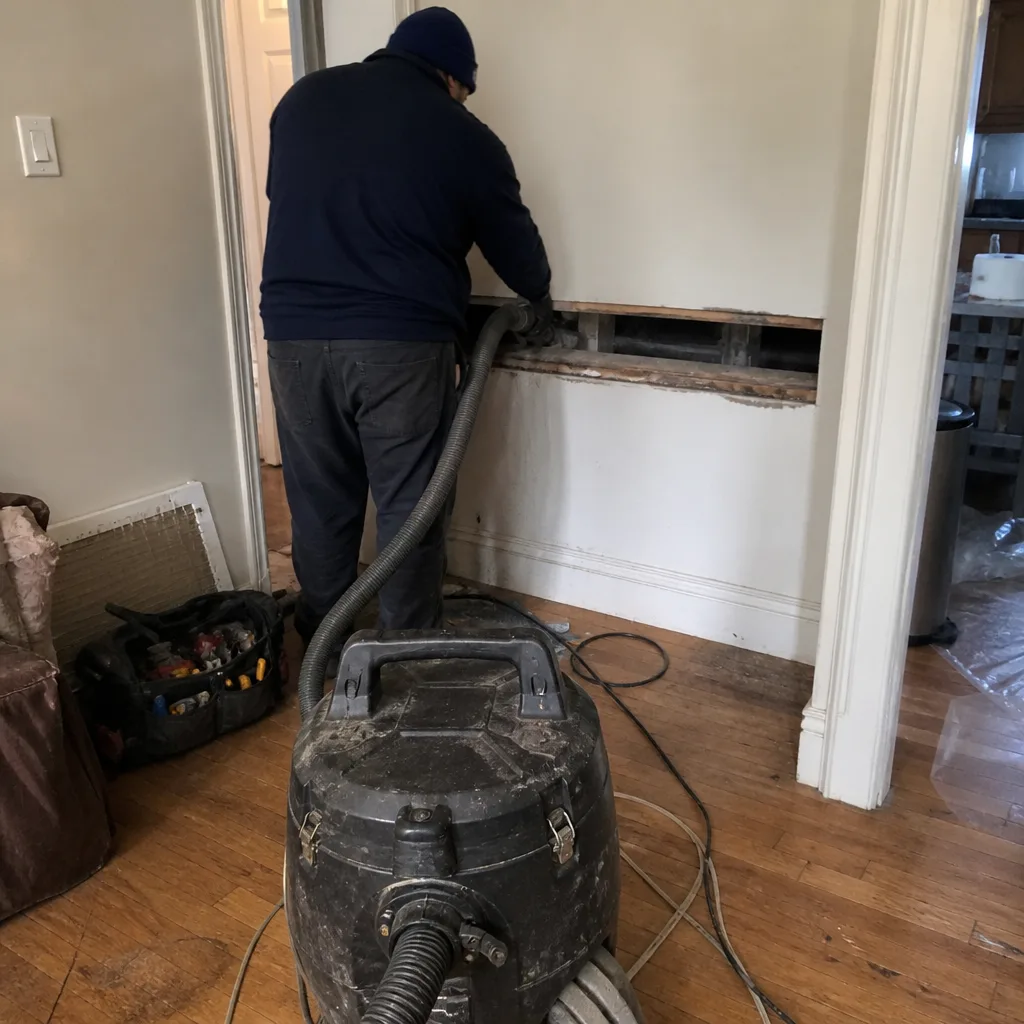 Before
 After
 Before
 After
When to Call a Professional
Call a professional when two or more early warning signs show up together, when a filter loads visibly dirty in under 30 days on two consecutive cycles, when a room’s temperature consistently diverges from the rest of the home, or when a new odor appears on system startup. Call if utility bills drift up 10-15% with no equipment or rate change. Call if a neighbor’s renovation has coincided with new dust. And call if the visible signs have arrived, since that’s a mature problem where cleaning plus sealing plus repair is usually the right scope. Air Duct Cleaning East Flatbush offers free estimates in East Flatbush. Call (844) 484-4185. We answer 24/7. Fast dispatch from 7am to 7pm, Sunday through Friday.
Frequently Asked Questions
Every three to five years for most East Flatbush homes, with a proper inspection any time the early warning signs show up. Homes in dense multi-family buildings, homes that have had a neighboring renovation, and homes with pets often need it sooner. The interval is set by the inspection, not by a schedule.
It depends on the size of the system and the scope of the job, and we quote a flat price per system before any work begins. The written estimate sets the final price, and there’s no per-vent pricing. Call (844) 484-4185 for an exact quote. Estimates are free.
Because they cover less. A low quote usually means a single-step vacuum pass with no diagnostic inspection, no sealing, no liner repair, and no verification. It addresses the surface, not the cause, and the system recontaminates. Ask what’s covered, what equipment is used, and whether sealing and inspection are included.
Ask for before-and-after photos of your own duct runs, plus the airflow and static pressure readings from the inspection and the verification. Our process includes both, plus a written summary of what was found and what was done. You shouldn’t have to take a technician’s word for it.
Yes, both. Excess particulate in the airstream loads the air you breathe, and duct obstructions or leaks are among the most common causes of uneven room temperatures. If you’re noticing both at the same time in an East Flatbush home, that’s a system-level issue worth a full inspection.
Air duct cleaning covers the ducts, boots, and grilles. HVAC cleaning covers the air handler, blower, coil, and cabinet. They’re related and should be assessed together: a dirty coil or blower loads the ducts right back up. Our work spans both, plus dryer vents, sealing, and sanitizing.
The Bottom Line
Wait for visible dust and you’ve waited too long. The early duct warning signs are utility bill creep of 10-15% with no equipment change, filters that load in under 30 days, room pressure imbalances, and specific odor patterns on system startup. Those are the signals worth acting on, and in East Flatbush’s shared-wall housing they matter more because contamination moves between units. A proper inspection, cleaning, sealing, and where needed sanitizing is one visit and one flat price per system. If you’re seeing two or more of these signs, call (844) 484-4185. Estimates are free. We answer 24/7. Fast dispatch from 7am to 7pm, Sunday through Friday.
Written by the team at Air Duct Cleaning East Flatbush.