
Last updated November 22, 2026
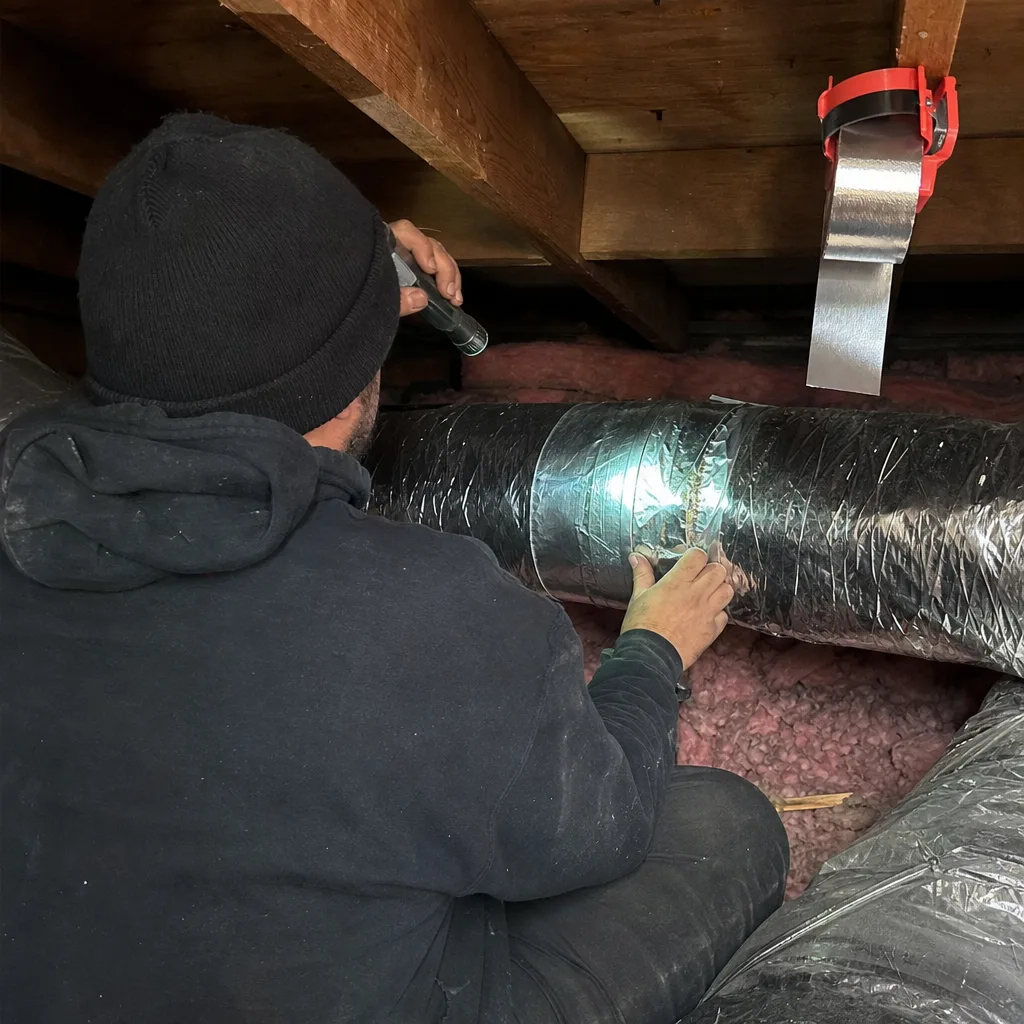
 Whole-home duct cleaning
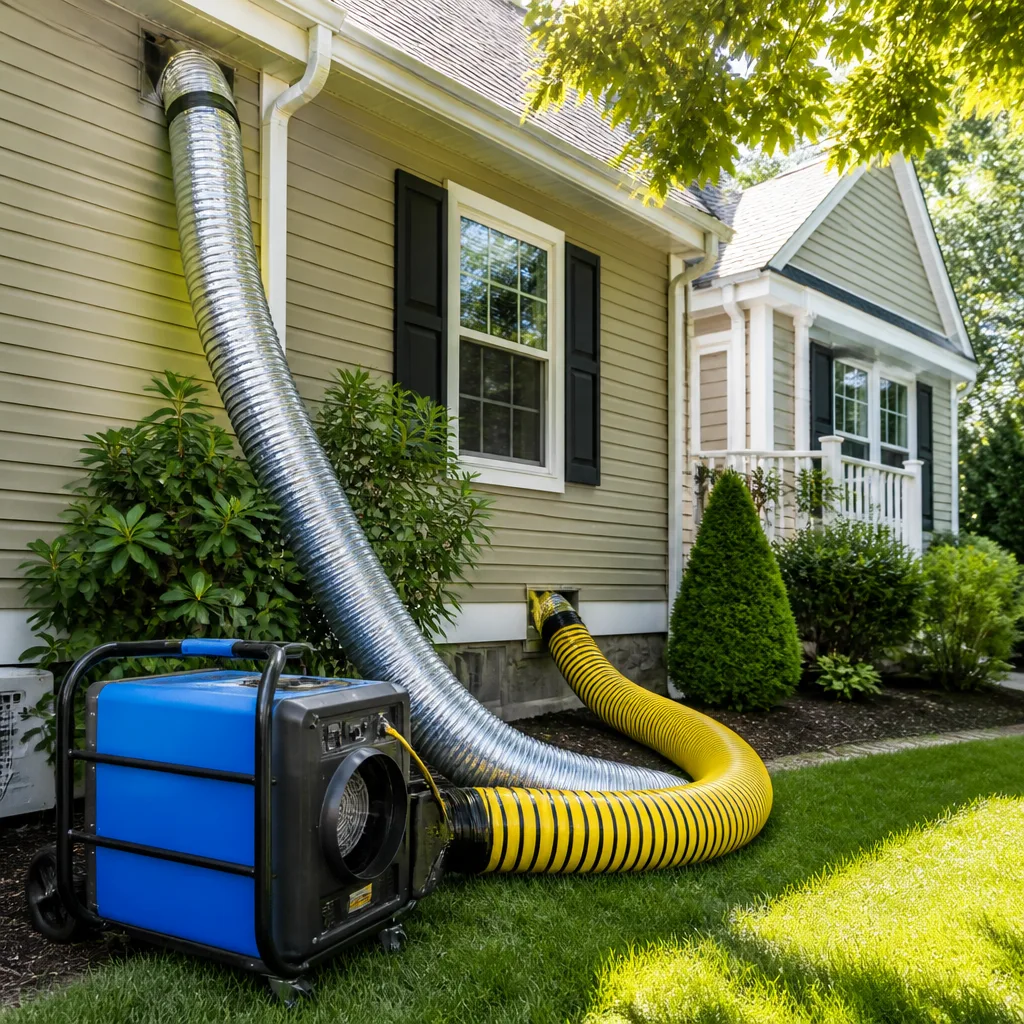
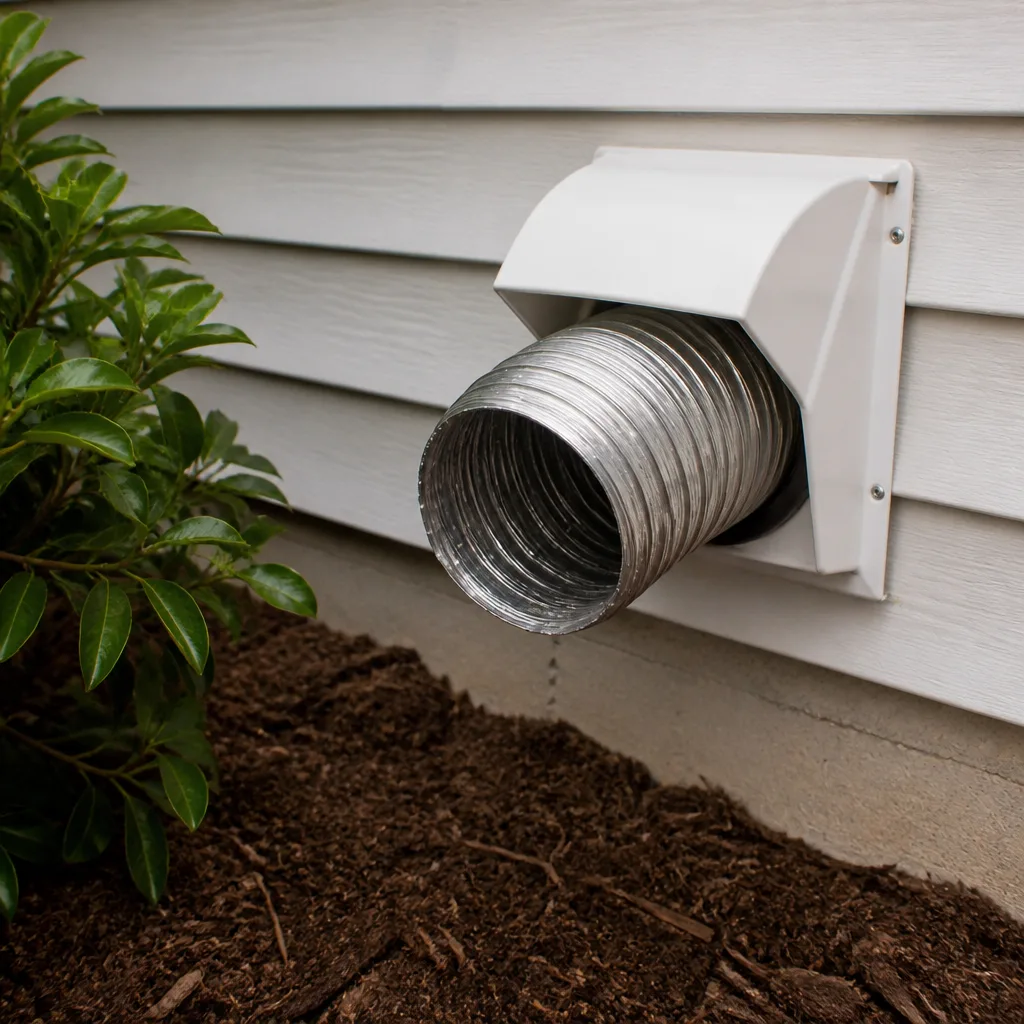 Dryer vent cleaning
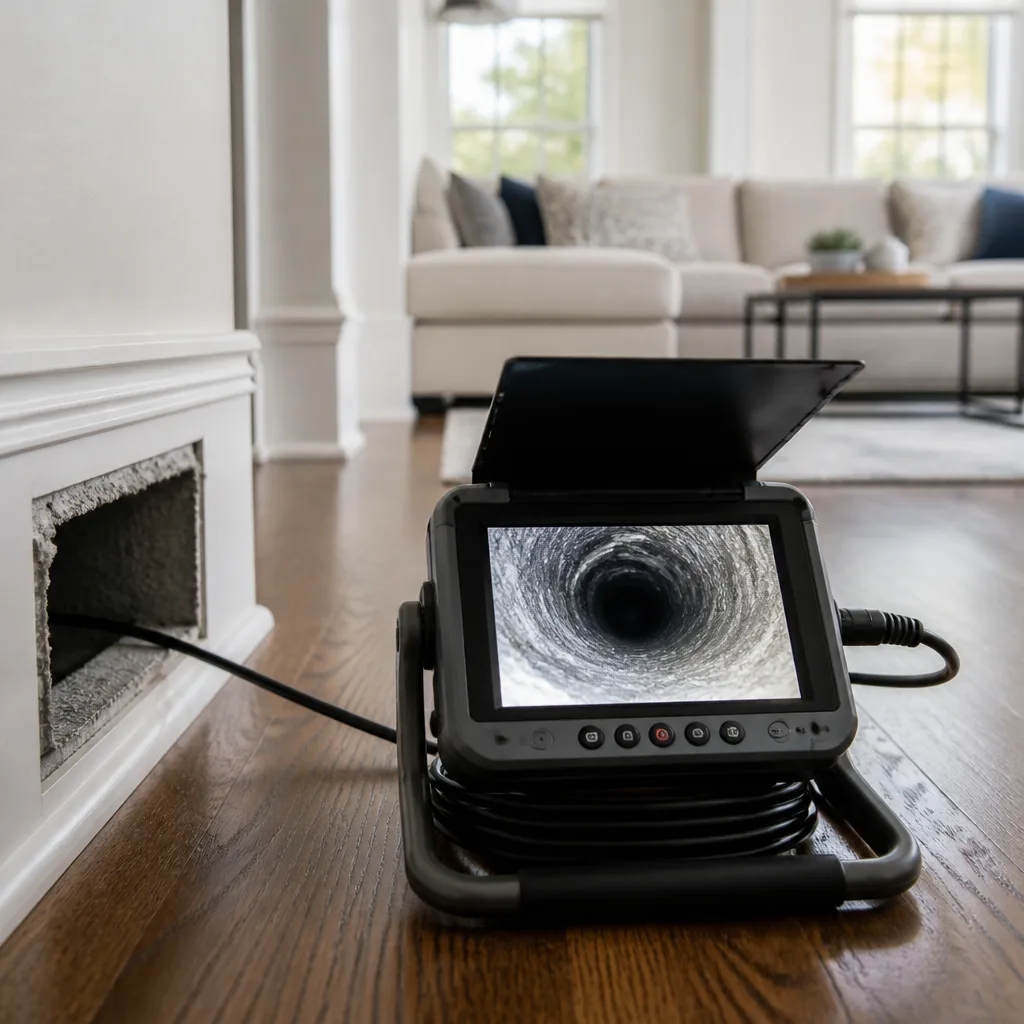 Camera inspection
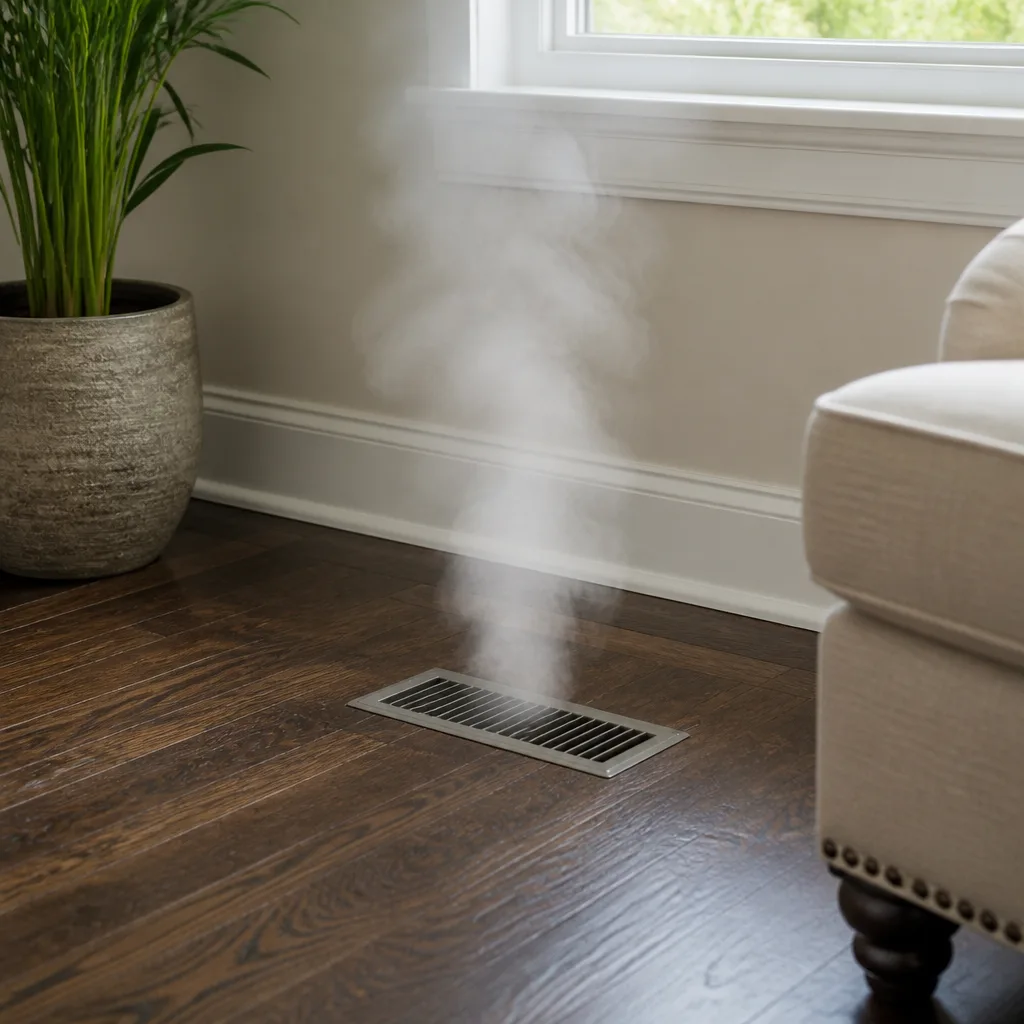 Sanitizing & deodorizing
Whole-system duct and dryer vent check with before-and-after photos - you see exactly what came out of your vents
That "$99 whole-house special" is a bait ad - the real number appears once they are in your hallway, or the "clean" is a shop-vac at the register. We photograph the inside of your ducts before and after instead.
The Complete Guide to Air Duct Cleaning in East Flatbush
When people ask about air duct cleaning in East Flatbush, most expect to hear about a vacuum. The bigger story is what happens before the vacuum ever switches on: the inspection, the measurements, and the decisions that determine whether the job actually removes what’s built up in your ductwork or just disturbs it. On a typical Brooklyn job, a single-pass cleaning wraps up in under two hours. A thorough one on a 1,500-square-foot East Flatbush row house runs three to four hours, and the gap between those timelines tells you almost everything about what “clean” is supposed to mean. This guide covers the full process as we run it, from how pre-war and mid-century housing stock shapes the job to what a professional should hand you when it’s finished.
Quick Answer
A complete air duct cleaning in East Flatbush is a source-removal process, not a surface vacuum: it starts with a documented inspection, uses negative air pressure and rotary contact cleaning to dislodge debris from the duct walls, and finishes with sealing, sanitizing, and a written report with before-and-after photos. Most single-system jobs take three to four hours. On this neighborhood’s older housing, the inspection is the part that separates a real cleaning from a quick pass with a shop vac.
Styles & brands we work with
- Whole-home duct cleaning
- Dryer vent cleaning
- Camera inspection
- Sanitizing & deodorizing
Table of Contents
- Why East Flatbush Housing Stock Changes How Ducts Get Cleaned
- What a Pre-Cleaning Inspection Should Document
- Source-Removal Cleaning vs. Surface Vacuuming
- The Equipment Behind a Professional Cleaning
- Why Cleaning Is Only Half the Job: Repair and Sealing
- Sanitizing and Air Quality Upgrades
- How to Read a Post-Job Report
- Common Mistakes to Avoid
- When to Call a Professional
Why East Flatbush Housing Stock Changes How Ducts Get Cleaned
The duct systems in East Flatbush are not the systems you’ll find in a new build in the suburbs, and treating them the same way is where most jobs go wrong. Much of the housing here is pre-war and mid-century: brick row houses and small apartment buildings built when heating was often an afterthought fitted around existing structure. When those homes were converted from gravity furnaces to forced-air, the ductwork frequently went into whatever space was left. That leftover space tends to be narrow.
In practice, that means a few specific things for anyone cleaning ducts in East Flatbush:
- Narrow chases. Supply and return chases in row houses are often tucked into wall cavities with very little clearance. Access openings are small, and a cleaning head needs to fit into places a shop vac hose simply can’t reach.
- Gravity furnace conversions. Older homes that started with gravity heating often have duct runs that were added piecemeal. You’ll find sudden size changes, dead-end stubs, and transitions that collect debris where the airflow slows down.
- Shared walls and basement returns. In row houses, the return side frequently pulls air from a basement that also houses the boiler, laundry, and storage. Whatever is in that basement air has a path into the living space if the duct system leaks.
- Register placement. Mid-century builds put registers into floors and low walls near radiators and returns, which means register condition varies widely and often goes uninspected.
None of this makes a cleaning impossible. It makes the geometry matter. The technician needs to know the shape of the system before choosing which tool goes where, which is exactly why the inspection comes first.
What a Pre-Cleaning Inspection Should Document
An inspection is not a quick look with a flashlight. It’s a diagnostic step that should produce written findings before any cleaning begins, and the findings should tell you what kind of job you’re dealing with. If a provider skips this step or treats it as a formality, that’s the first sign the rest of the job will be surface-level.
Here’s what a proper inspection documents:
- Static pressure readings. Measuring pressure across the system tells you whether airflow is restricted and by how much. It also gives you a baseline to compare against after cleaning, which is how you prove the work made a measurable difference.
- Duct material type. Sheet metal, flex duct, and duct board all have different cleaning methods and different failure modes. Flex duct with crushed sections or separated inner liners can’t be cleaned the same way as rigid metal.
- Visible mold or pest evidence. Signs of microbial growth, rodent droppings, or insect activity change the scope. Contamination at that level calls for containment and filtration equipment, not just a vacuum.
- Register condition. Registers and grilles get inspected for bent louvers, debris buildup, and gaps around the frame. A register that doesn’t seal becomes a leak point.
- Access points. The technician records where the system can be opened up, which determines the cleaning path.
When you book air duct cleaning in East Flatbush, ask what the inspection will cover. A provider who can list these items and put them in writing is treating the job as a diagnostic process. A provider who can’t is running a hose and calling it clean.
Source-Removal Cleaning vs. Surface Vacuuming
The difference between these two approaches is the single biggest reason duct cleaning results vary so wildly. Surface vacuuming removes what’s loose on the bottom of the duct. Source-removal cleaning, which follows the standard professional practice set by the National Air Duct Cleaners Association, removes what’s adhered to the duct walls, in the corners, and compacted into seams and transitions.
Here’s how the two compare in practice:
- Surface vacuuming uses suction alone. It pulls up loose dust and debris but leaves the contact layer that’s bonded to the metal. That layer is often the source of musty odors and the material that re-contaminates the system within months.
- Source-removal cleaning combines negative air pressure with rotary contact cleaning. A machine holds the whole system under negative pressure while a rotating brush and whip line dislodge debris from the walls. The loosened material gets captured and pulled out through the filtration unit.
The rotary contact step is where professional equipment earns its keep. We use Rotobrush rotary contact cleaning systems, which are the industry standard for dislodging compacted debris from duct walls. Paired with a negative-air setup and Abatement Technologies filtration equipment, the work happens with the system under control, not with dust drifting into living rooms. Abatement units are the same class of equipment deployed in professional mold and contaminant remediation, which tells you something about the standard of care.
On a narrow-chase East Flatbush row house, that combination is the difference between a system that’s genuinely clean and one that looks clean from the register.
The Equipment Behind a Professional Cleaning
Equipment names matter because equipment tier determines what the job can actually accomplish. A consumer shop vac and a piece of professional cleaning machinery both have a motor and a hose, but they don’t do the same work. Here’s what we run and why each piece earns its place in the process.
- Rotobrush rotary contact cleaning systems. Rotating brush heads and whip lines reach into the corners and seams where debris compacts. The contact action is what removes the adhered layer, not just the loose dust.
- Nikro cleaning equipment. Nikro is built to the cleaning standards recognized for HVAC systems, which means the equipment is designed for the job rather than adapted from something else.
- Abatement Technologies air filtration. These units hold the system under negative pressure and capture the particles the cleaning dislodges. They’re used in contaminant-control work, and that’s the standard we hold the air in your home to.
- Honeywell and Aprilaire air quality components. Cleaning the system and upgrading its filtration are two different jobs, and we carry the parts to do both. When a system has a weak filter setup, we can address it after the cleaning is complete.
- Guardsman sanitizing products. Applied after cleaning, these treat microbial growth and odor at the source and help inhibit regrowth.
One thing to look for in any provider: whether the equipment is described by name and function or only by vague adjectives. If someone can’t tell you what machine is coming into your home, that’s worth asking about before you book. You can read more about how we put these tools to work on our Air Duct Cleaning East Flatbush page.
Why Cleaning Is Only Half the Job: Repair and Sealing
Clean ducts are only half the job. The other half is the part most providers skip entirely: finding and sealing the leaks that caused the debris in the first place. In row houses, this matters more than in standalone homes because the basement return is doing double duty.
When a duct system leaks, two things happen at once. Conditioned air escapes before it reaches a room, which raises your energy bill because the system runs longer to hit the same temperature. And unfiltered air gets pulled in through the gaps. In row houses, those gaps often sit close to the basement, which means air from that space moves into the living space. That’s a duct geometry problem, not a duct cleanliness problem, and cleaning alone won’t fix it.
Here’s what a complete sealing scope covers:
- Locate leaks. Gaps at seams, joints, and register boots get identified, often alongside the static pressure readings from the inspection.
- Seal the gaps. Duct repair and sealing addresses the leaks directly so the system holds pressure and delivers the airflow the equipment was designed for.
- Verify the result. Pressure readings taken after cleaning and sealing show whether the system is actually moving more air, which is the measurable outcome that counts.
In East Flatbush’s older housing, sealing is frequently the service that delivers the most noticeable change. If your ducts have never been sealed, cleaning without sealing is a temporary improvement. We treat repair and sealing as a core service, not an add-on, because re-contamination is what happens when a leaky system gets cleaned and left open.
Sanitizing and Air Quality Upgrades
Sanitizing comes after the cleaning, and it does something different from it. Cleaning removes the buildup. Sanitizing treats what caused the odor and microbial growth in the first place, and helps keep it from returning. It’s the last step, not the first, because applying a sanitizer to a dirty duct just coats the buildup.
We use Guardsman sanitizing products, applied post-cleaning to inhibit microbial regrowth and neutralize odors at the source. Combined with the air quality components we carry from Honeywell and Aprilaire, a full-scope visit can leave you with a cleaner system and a stronger filter setup rather than a clean system that keeps the same weak filtration it started with. Here’s how the complete sequence looks:
- Inspect and document the system.
- Set up negative air pressure with Abatement Technologies filtration.
- Clean with Rotobrush rotary contact equipment.
- Repair and seal identified leaks.
- Apply Guardsman sanitizer to treat microbial growth and odor.
- Upgrade filtration where the existing setup is undersized, using Honeywell and Aprilaire components.
- Verify airflow and deliver a written report.
That’s the full-scope visit. Cleaning, sealing, and air quality upgrades in one process, because each step depends on the one before it.
How to Read a Post-Job Report
A post-job report is the proof of work, and it should be something you can look at, not just a verbal summary. The question to ask is simple: what am I handed when the job is finished? If the answer is “nothing,” you have no way to know what was done.
Here’s what a proper report includes:
- Before-and-after photos. Images of your own ductwork, not a generic set from a brochure. This is the most direct proof that the work happened, and it should show the areas where cleaning was performed.
- Inspection findings. The documented static pressure readings, duct material type, and any mold or pest evidence noted during the pre-cleaning inspection.
- Cleaning scope. Which components were cleaned, with the method noted for each.
- Repair and sealing record. Where leaks were found and how they were addressed.
- Sanitizing record. What product was applied and to which parts of the system.
- Post-cleaning airflow. Follow-up pressure readings so you can compare before and after.
Ask for this before the job begins, not after. A provider who expects to deliver it will be happy to describe it up front. For homeowners in East Flatbush, a report with photos is also your best protection against the bait-and-switch problem the trade is known for: a low quoted figure that turns into a much bigger invoice once the equipment is on site. One flat price per system, agreed before work starts, plus photos of your own ducts, is the standard to hold any provider to.
Common Mistakes to Avoid
- Booking a price before anyone inspects the system. A quote given over the phone without any inspection of your ductwork is a number, not an estimate. In East Flatbush’s older housing, the system geometry varies from building to building, so ask for an inspection before you agree to anything.
- Accepting a per-vent price. Per-vent pricing encourages providers to do the minimum per register and move on. Ask for one flat price per system instead, so the scope covers the whole job rather than the count of openings.
- Skipping sealing because cleaning seems like enough. Cleaning a leaky system and leaving the leaks is the fastest route back to a dirty system. Leaky returns in row houses pull basement air into the living space, and only sealing fixes that.
- Not asking what equipment is coming into the home. If a provider can’t name the machines and describe their function, there’s a good chance the cleaning will be surface-level. Rotary contact cleaning and negative air pressure are the difference.
- Settling for a verbal summary. A job without a written report and photos leaves you with no proof of what happened inside your ductwork. Insist on both before the work starts.
- Ignoring static pressure readings. Without before-and-after readings, you can’t tell whether the cleaning improved airflow. The numbers are what turn “it feels better” into a measurable result.
- Treating sanitizing as a substitute for cleaning. A sanitizer applied to a dirty duct doesn’t sanitize anything. Cleaning, then sealing, then sanitizing is the order that works.
When to Call a Professional
Some situations call for a professional visit rather than another round of vacuuming and waiting. If you’re noticing allergy flare-ups that get worse indoors, a musty odor that returns shortly after cleaning, uneven airflow between rooms, or energy bills that creep up without an obvious cause, the system is telling you something is wrong that surface cleaning won’t fix. Visible mold or pest evidence around registers is a clear signal too, and those cases need containment equipment rather than a shop vac. If your home has never had a documented cleaning with before-and-after readings, or if a previous job came with no written report, that’s another reason to have a professional take a look. Air Duct Cleaning East Flatbush offers free estimates in East Flatbush. Call (844) 484-4185 and we’ll walk through what a full-scope visit involves for your system.
See the difference
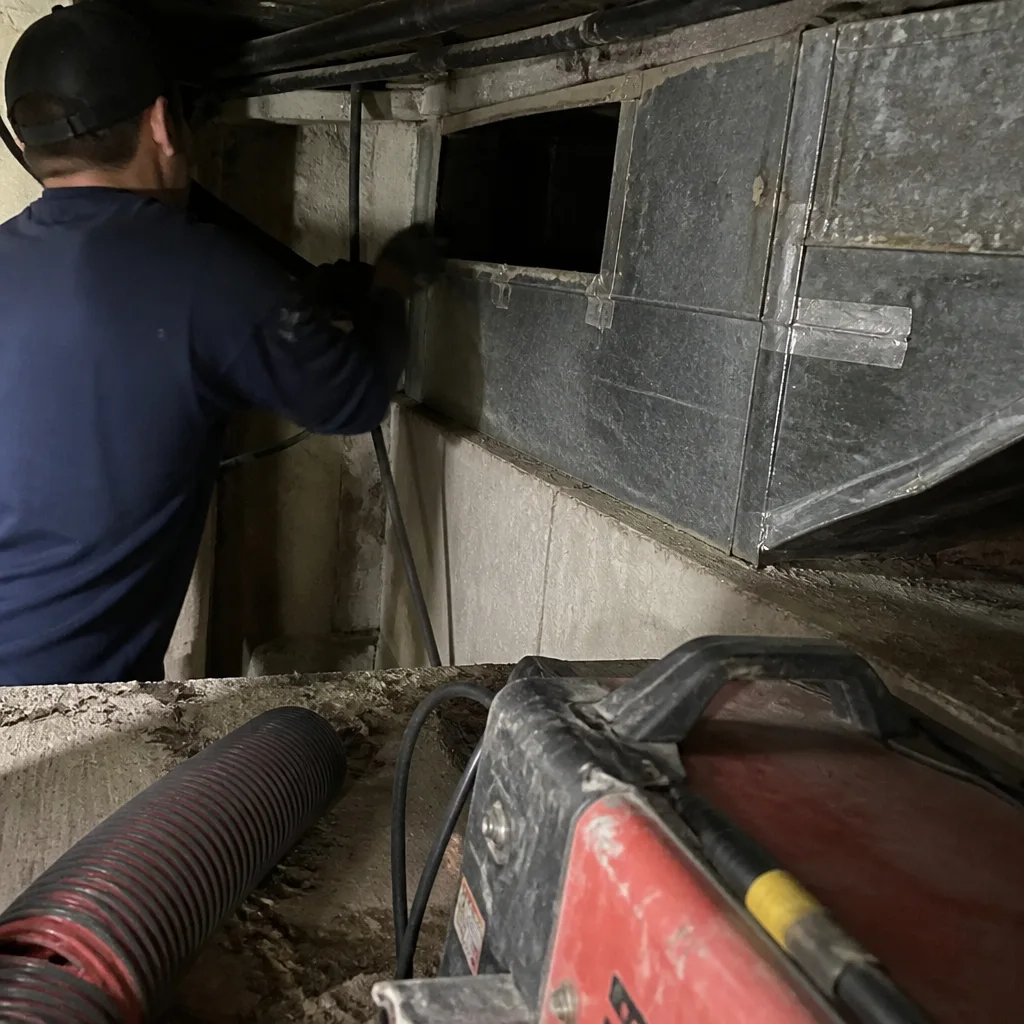 Before
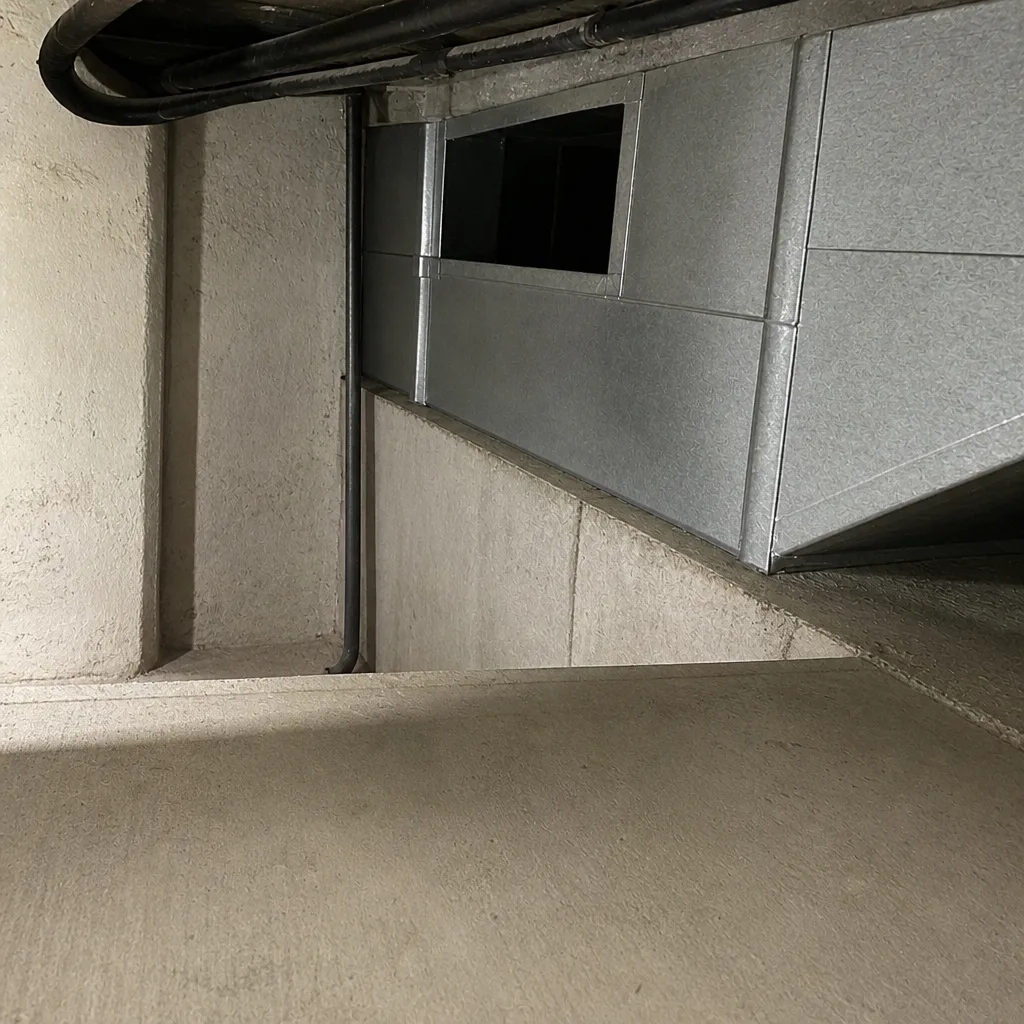 After
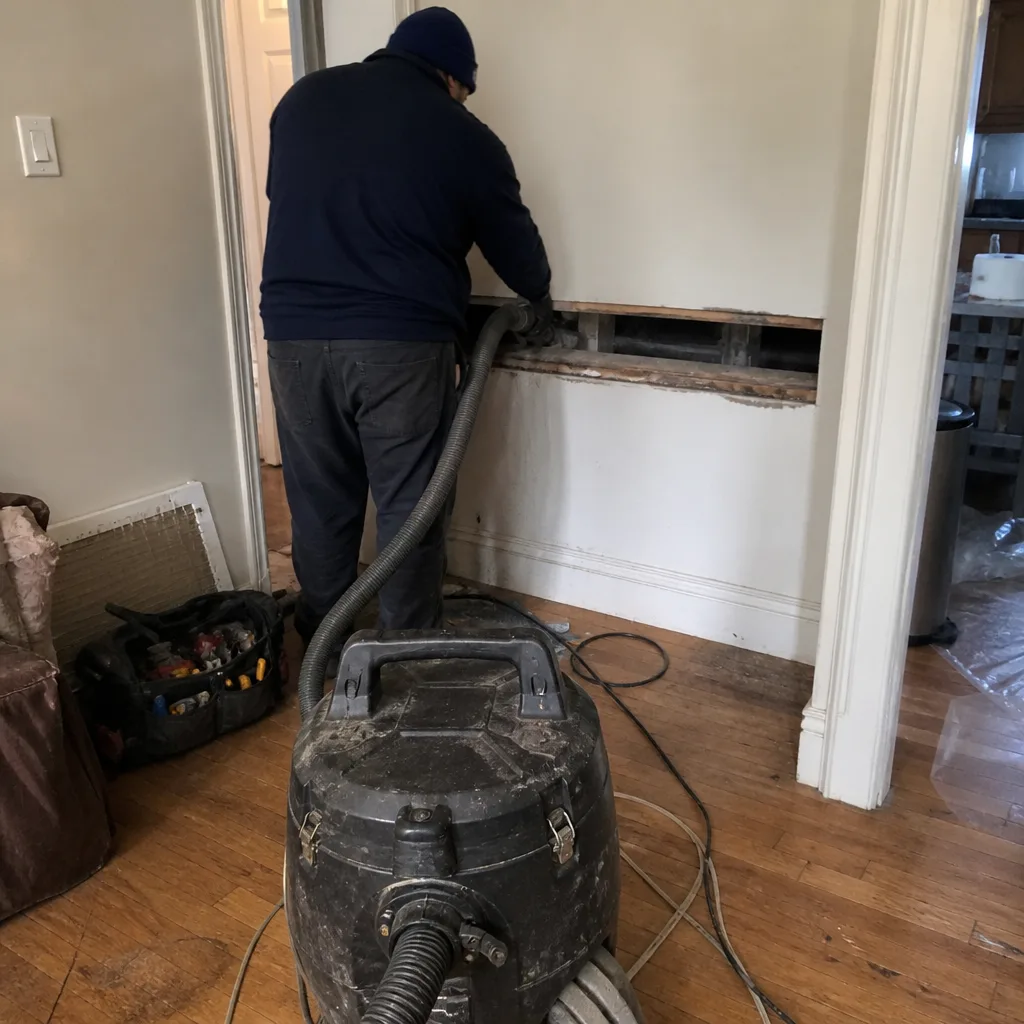 Before
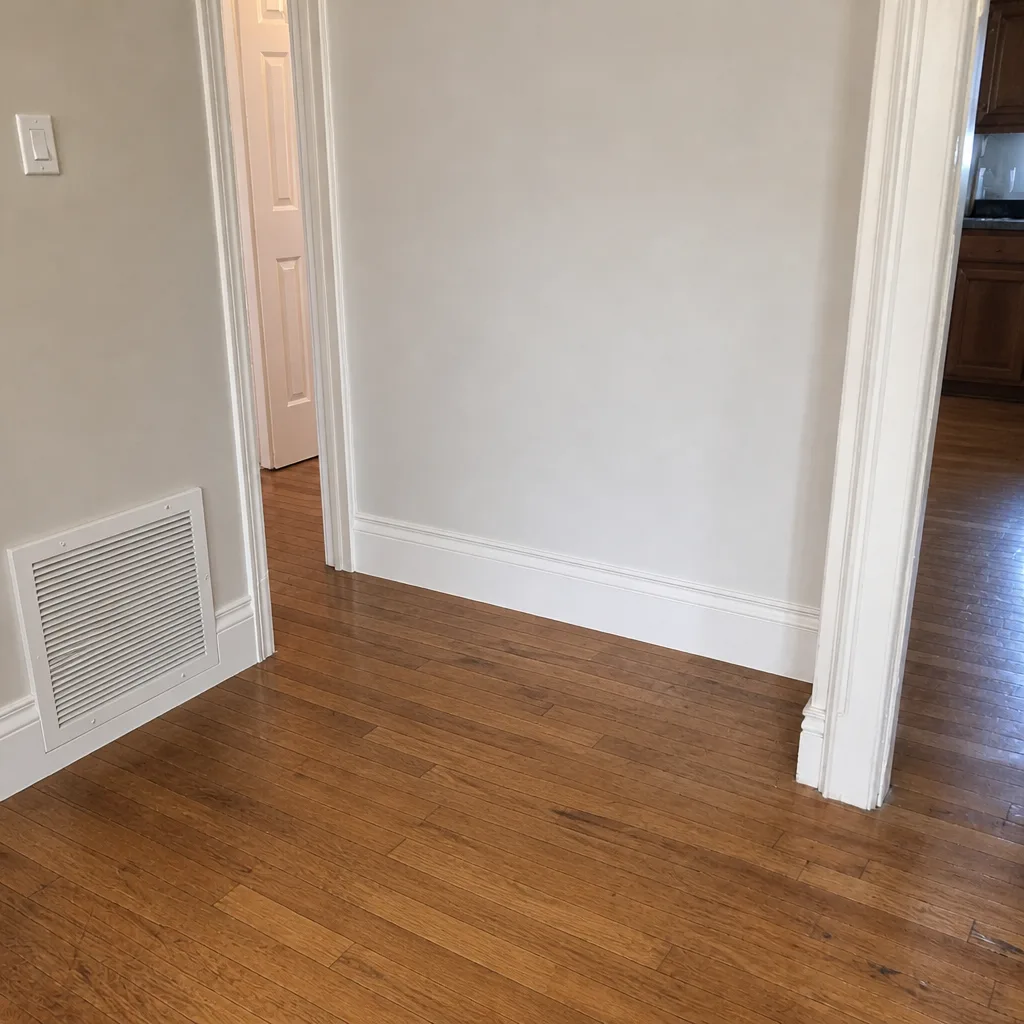 After
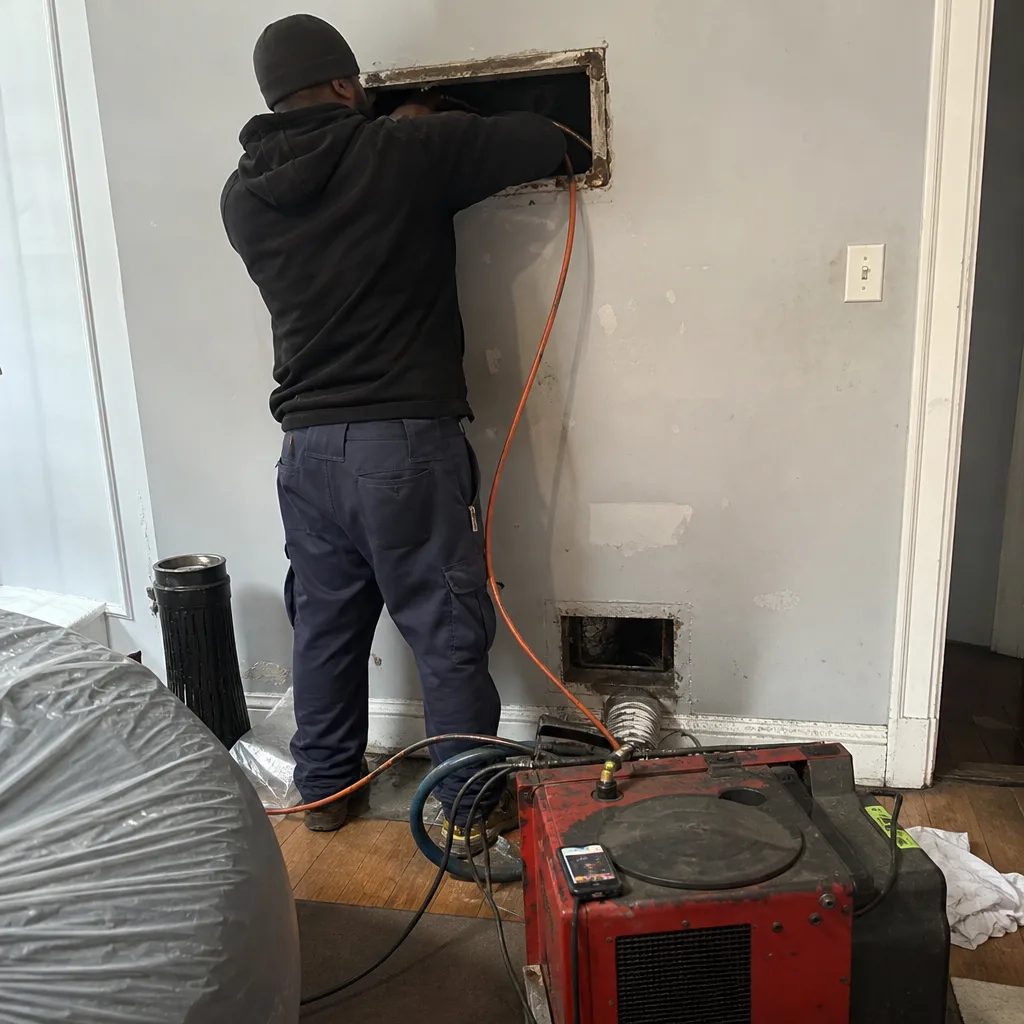 Before
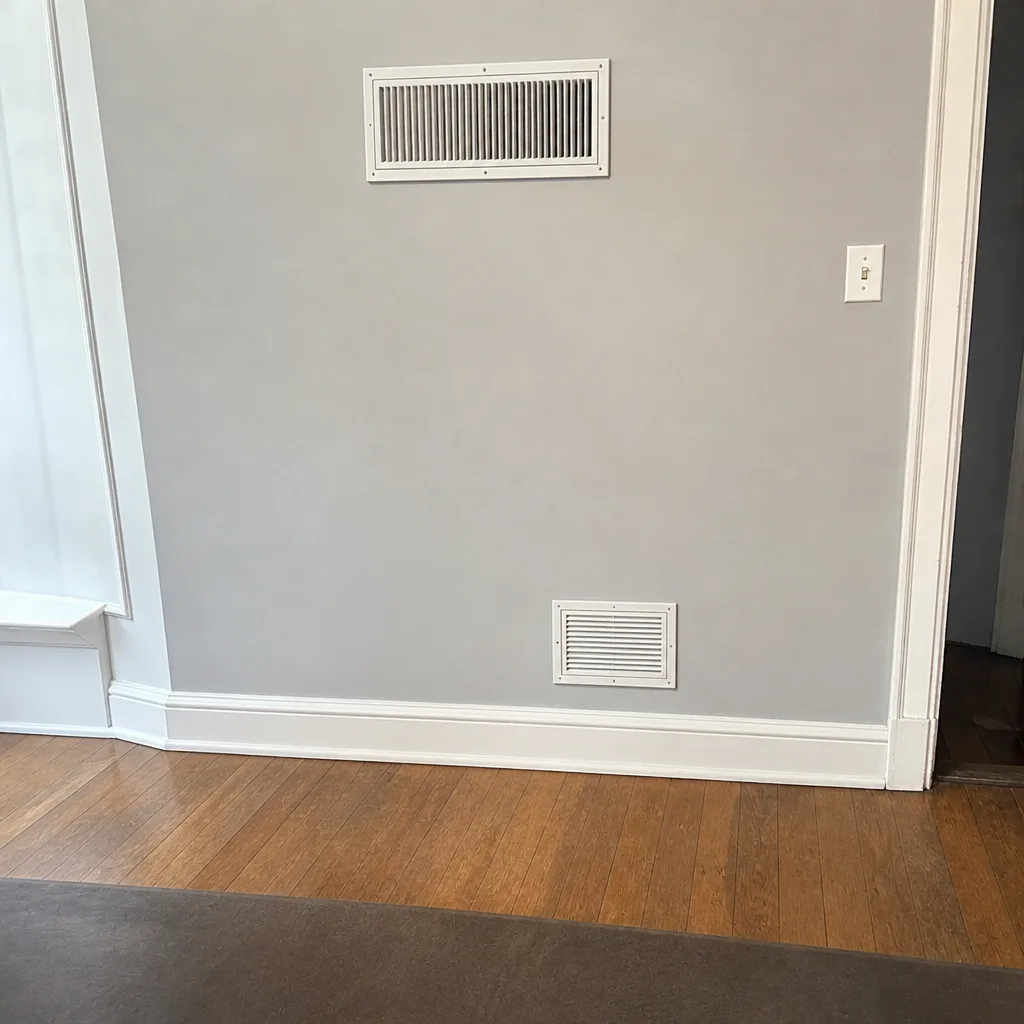 After
Frequently Asked Questions
Air duct cleaning in East Flatbush is priced per system by a written estimate after inspection, not by the vent. That’s deliberate: the condition of the ductwork, the access available in narrow chases, and whether sealing or sanitizing is needed all affect the scope. The written estimate sets the final price, and there’s no charge for the estimate itself. Call (844) 484-4185 for an exact quote.
Cheap quotes usually buy a shorter, simpler job: surface vacuuming with suction alone, no negative air setup, no sealing, and no written report. The low number reflects the scope, not a better price for the same work. When you compare quotes, compare what’s included in each: inspection, equipment type, sealing, sanitizing, and the post-job report. Then ask for one flat price per system so the invoice matches the estimate. Call (844) 484-4185 to talk through a full-scope quote.
You know because you’re handed proof: before-and-after photos of your own ductwork and a written report documenting the inspection findings, cleaning scope, sealing work, and post-cleaning airflow readings. Ask for both before the job begins. If a provider can’t describe what the report will contain, that’s your answer. Call (844) 484-4185 for an estimate that includes a documented report.
Most homes don’t need duct cleaning on a fixed schedule. What matters is condition, not the calendar: visible mold or pest evidence, a musty odor that keeps returning, measurable airflow restriction, or a system that’s never been cleaned all point to a visit. Leaky ducts re-contaminate faster than sealed ones, which is why sealing matters as much as the cleaning itself. If you’re unsure, an inspection will tell you where the system stands. Call (844) 484-4185 for a free estimate.
Yes, in the details. The pre-war and mid-century housing stock here often has narrow chases, gravity furnace conversions with piecemeal duct runs, and basement returns close to the boiler and laundry. That geometry affects access, tool choice, and the sealing scope. A provider who works in East Flatbush regularly will recognize these conditions during the inspection. Call (844) 484-4185 to ask what a full-scope visit covers for your building.
Look for four things: a documented pre-cleaning inspection, named professional equipment used for source-removal cleaning, repair and sealing offered as part of the job, and a written report with before-and-after photos. Those four tell you whether the provider is doing diagnostic work or just running a hose. Our technicians have up to 13 years of experience and can walk you through each step. Call (844) 484-4185 for a free estimate.
The Bottom Line
Air duct cleaning in East Flatbush is a diagnostic process, not a vacuuming appointment. It starts with an inspection that documents static pressure, duct material, mold or pest evidence, and register condition. It continues with source-removal cleaning using rotary contact equipment and negative air pressure, then moves into repairing and sealing the leaks that let basement air re-enter the living space. Sanitizing and filtration upgrades finish the job. What you should hold onto is the proof: one flat price per system agreed up front, before-and-after photos of your own ducts, and a written report that shows what was done. That’s the difference between a two-hour pass and a job done right in a stone row house off Church Avenue or a mid-century apartment building near the park.
Ready to see what your system actually needs? Call (844) 484-4185 for a free estimate. We answer 24/7. Fast dispatch from 7am to 7pm, Sunday through Friday. We’ll inspect the system, walk you through the findings, and give you one flat price per system before any work starts. For related services, take a look at our dryer vent cleaning and HVAC cleaning pages, or read more about air duct cleaning and how the full-scope visit comes together.
Written by the team at Air Duct Cleaning East Flatbush.