
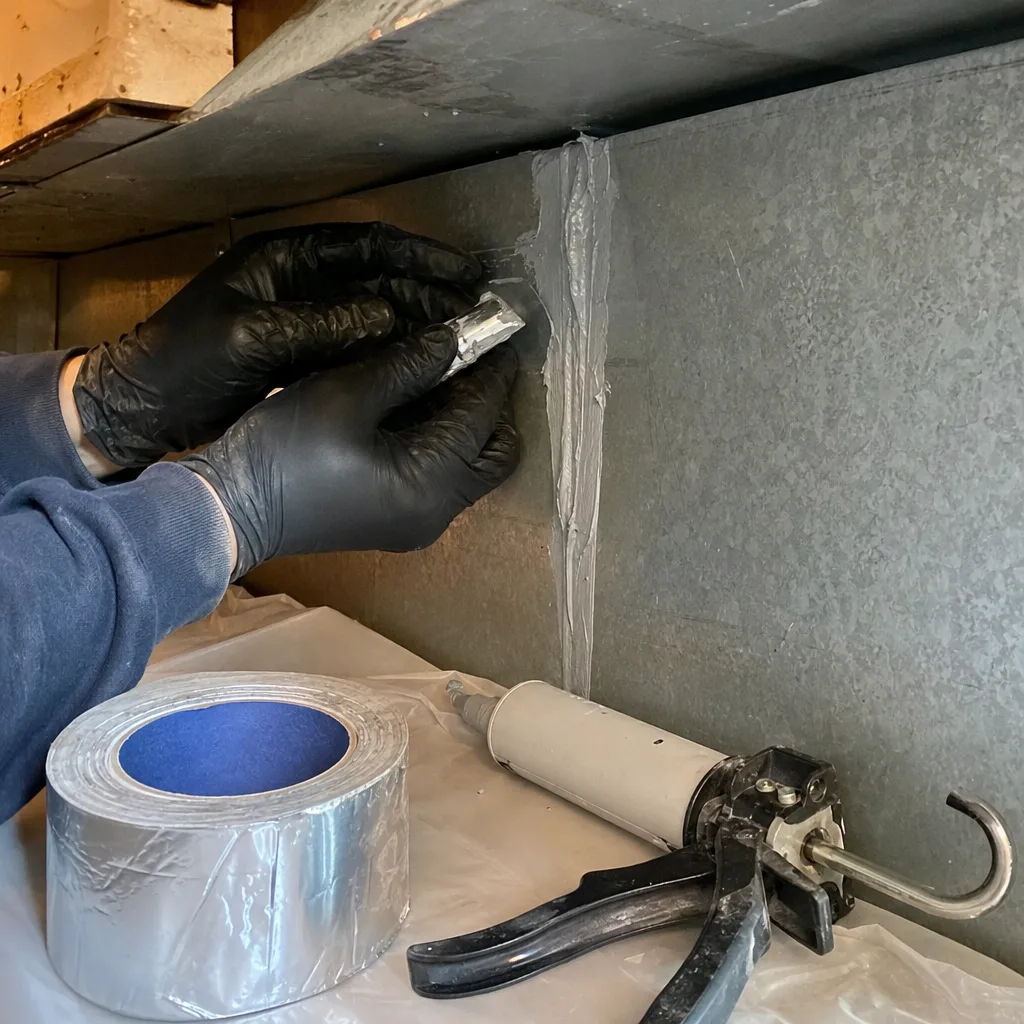
Last updated November 22, 2026
 Whole-home duct cleaning
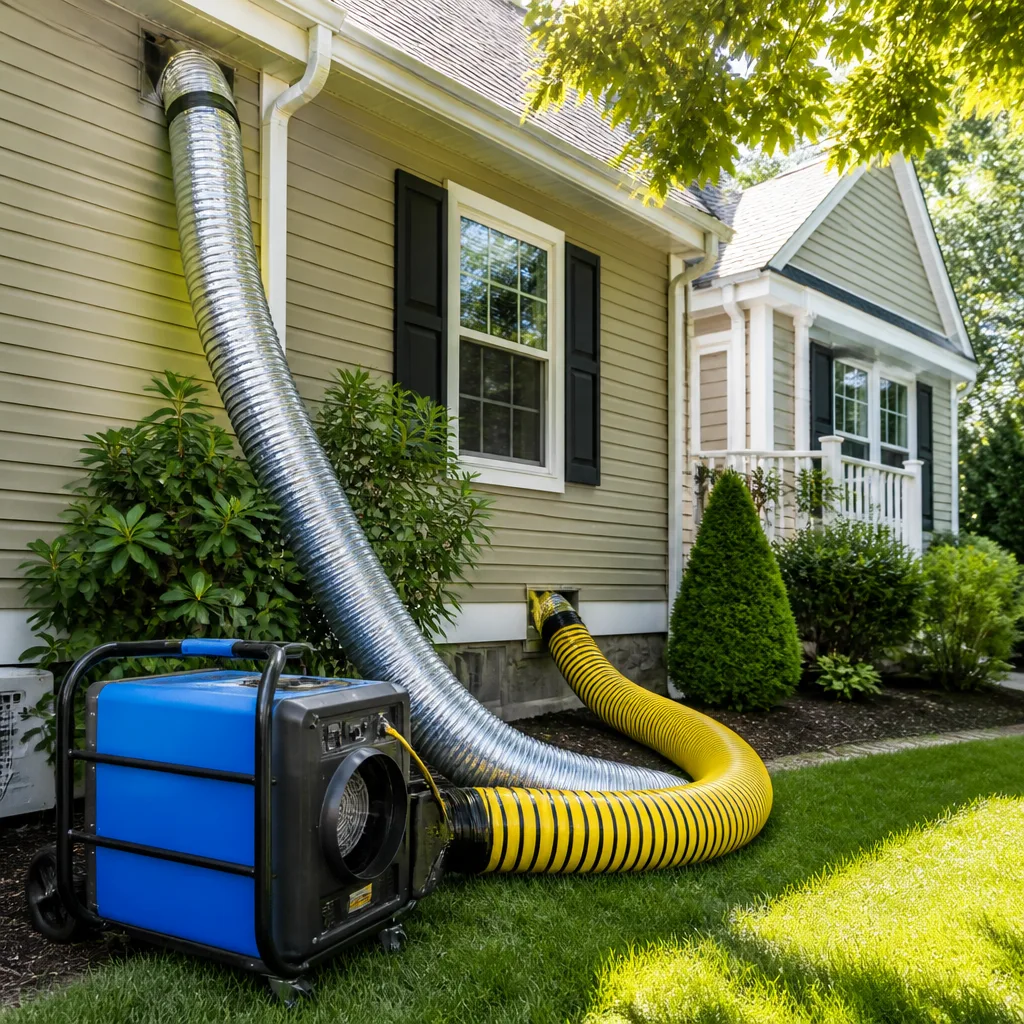
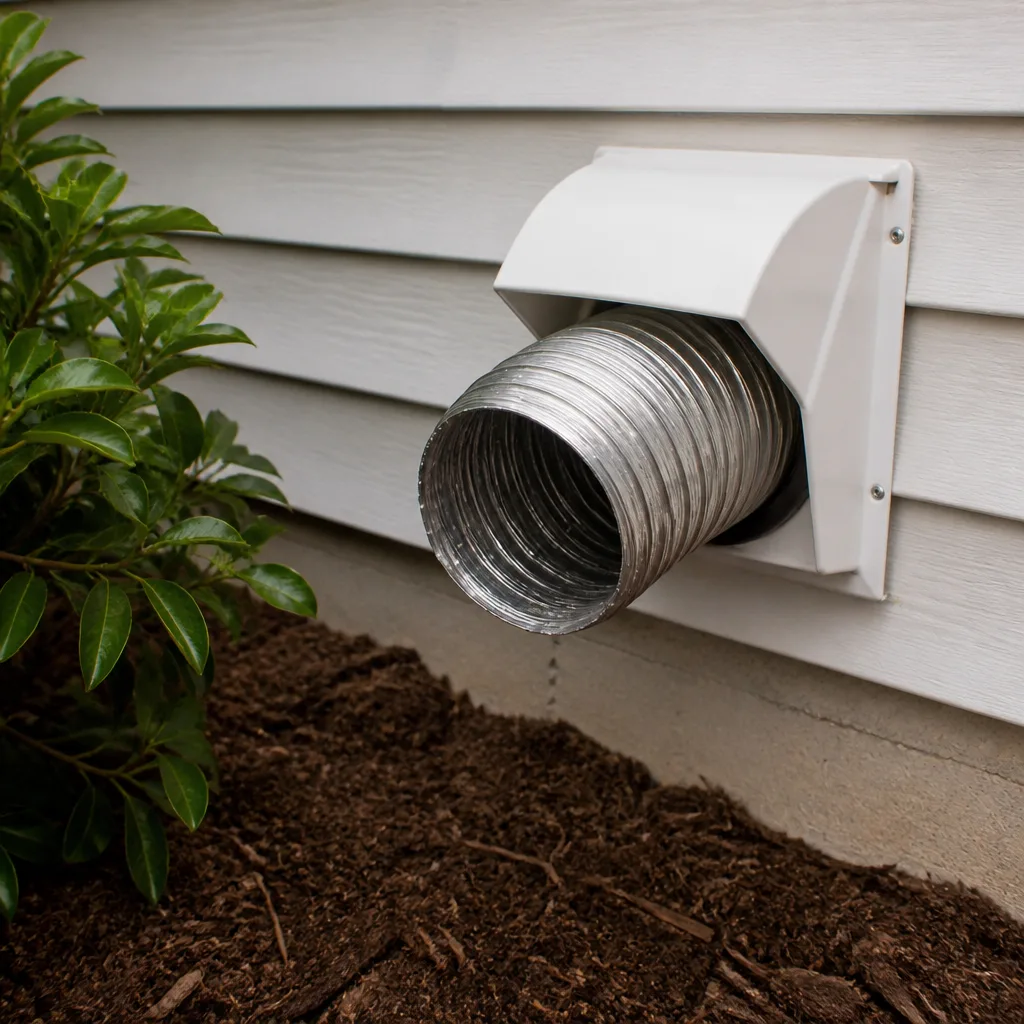 Dryer vent cleaning
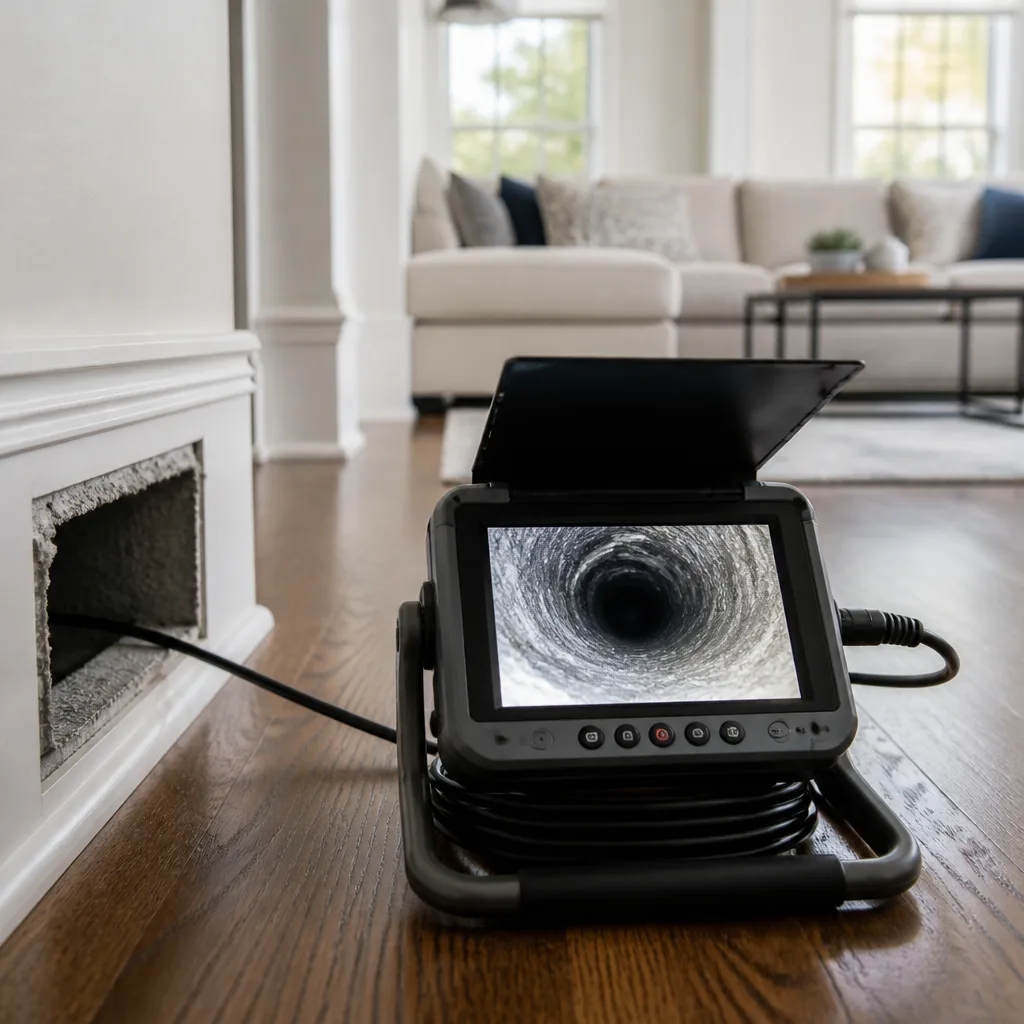 Camera inspection
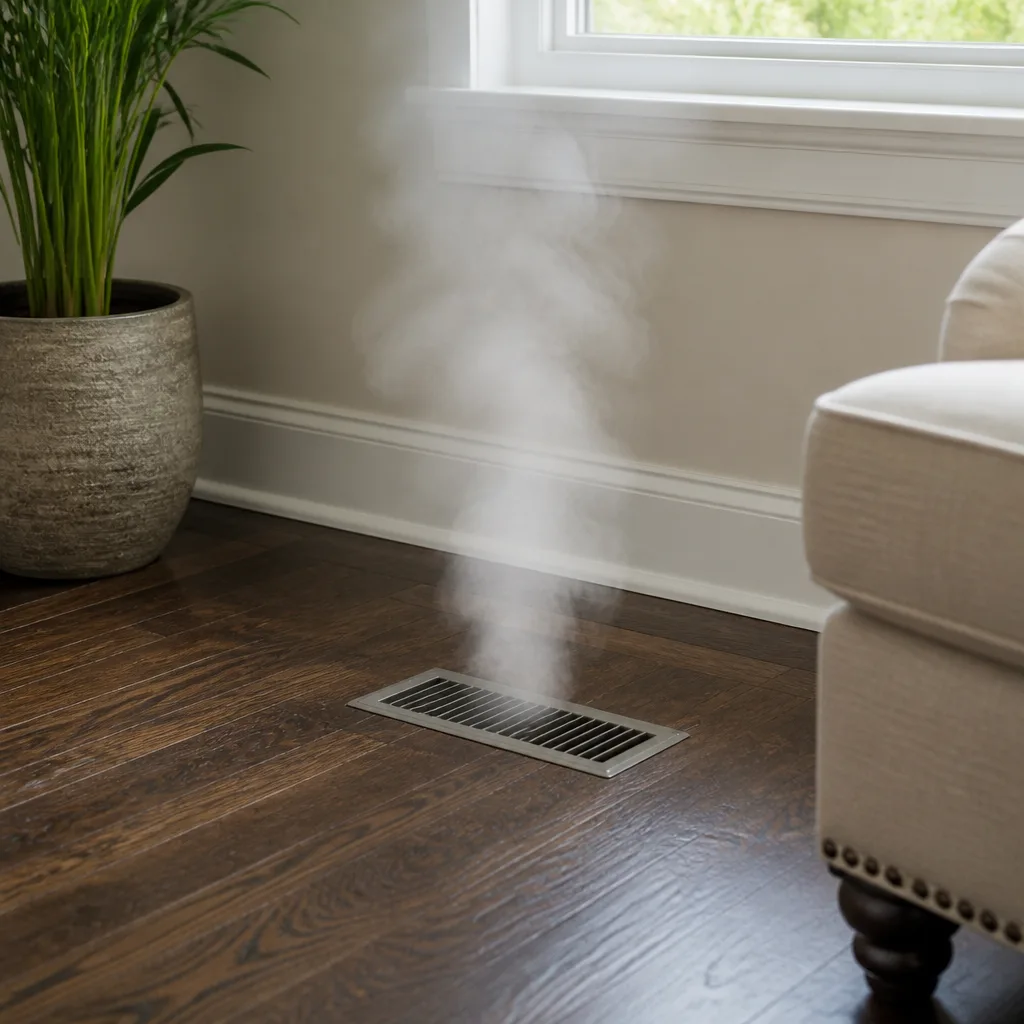 Sanitizing & deodorizing
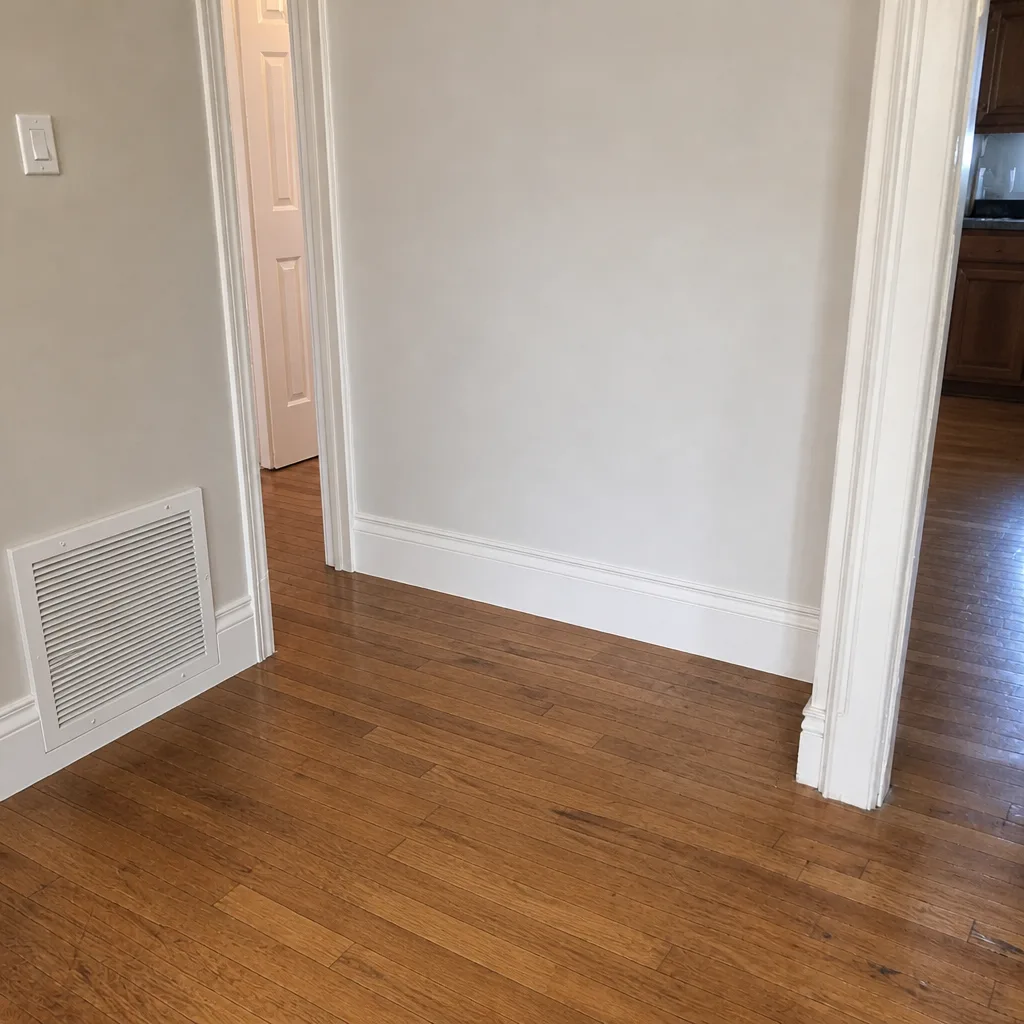
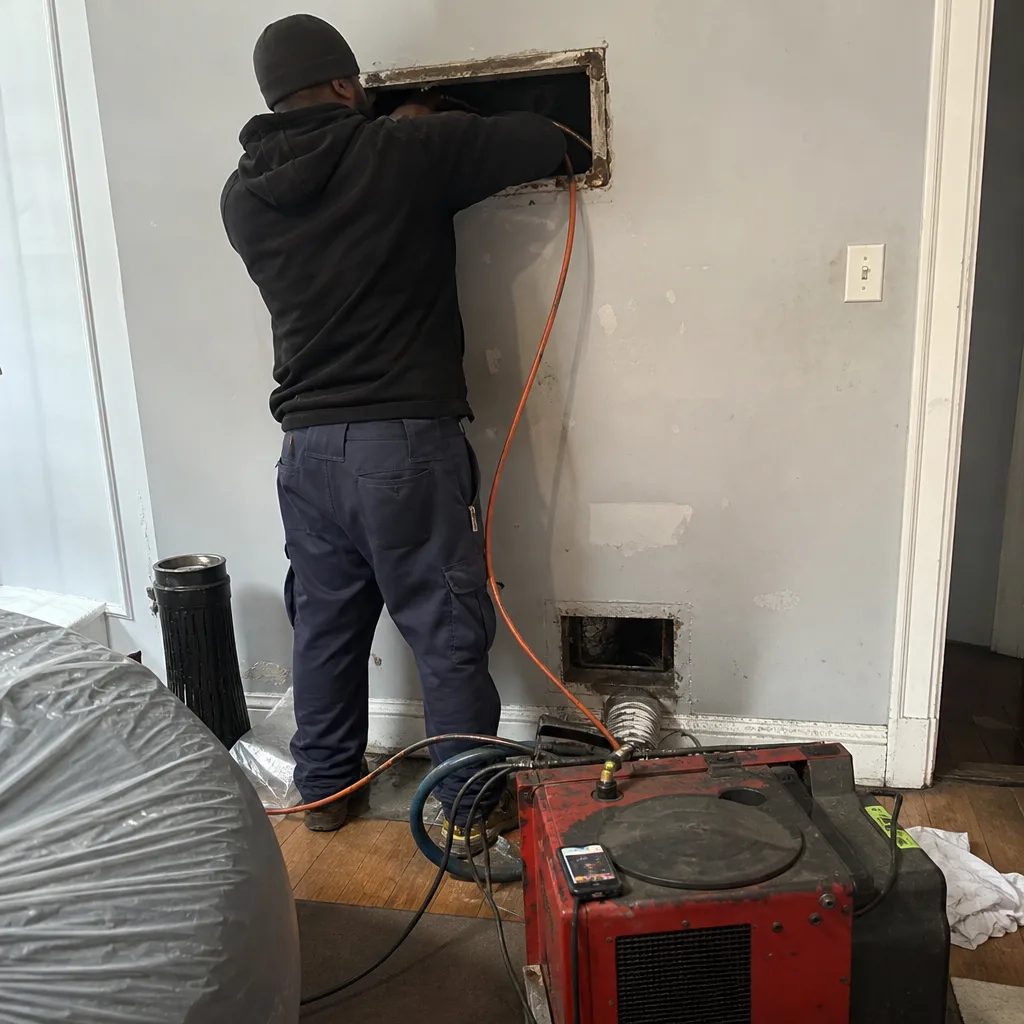
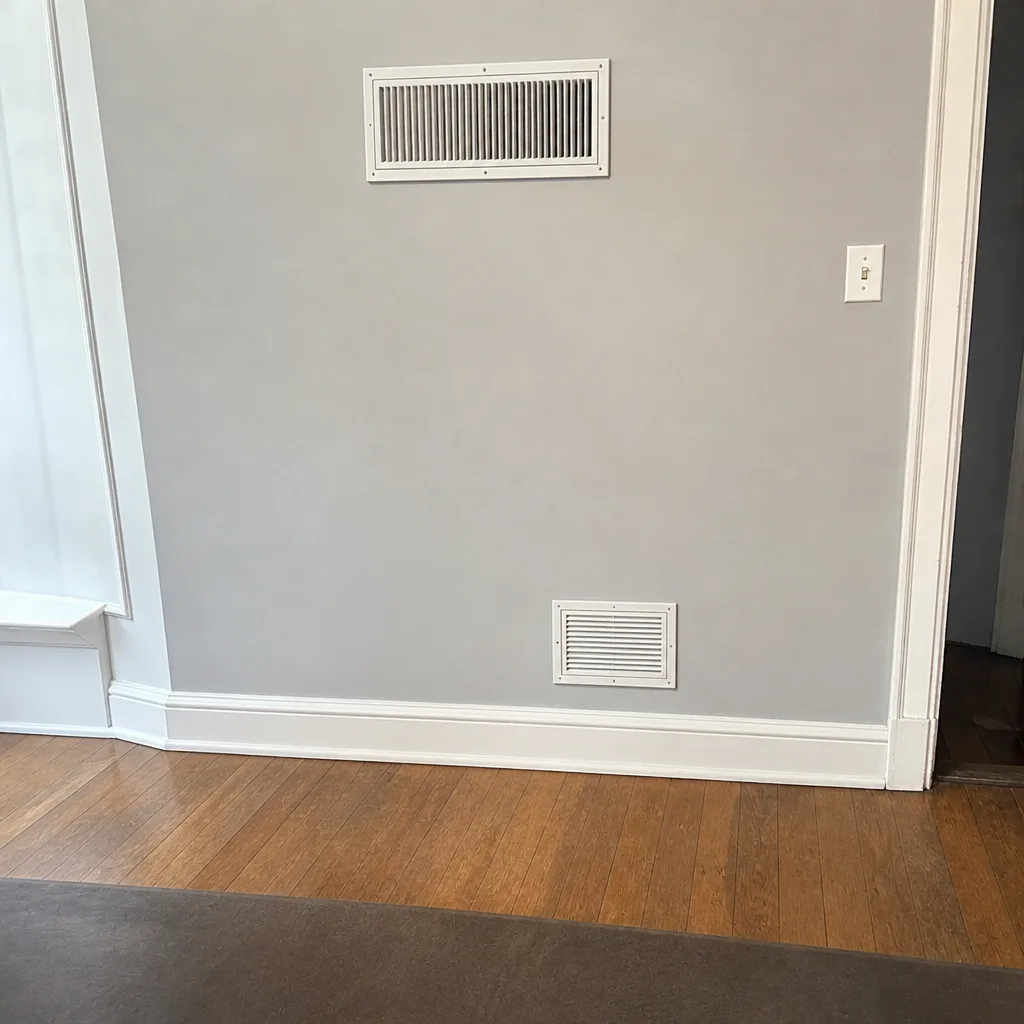
Whole-system duct and dryer vent check with before-and-after photos - you see exactly what came out of your vents
That "$99 whole-house special" is a bait ad - the real number appears once they are in your hallway, or the "clean" is a shop-vac at the register. We photograph the inside of your ducts before and after instead.
DIY vs Professional Air Duct Cleaning: The East Flatbush Homeowner’s Decision Guide
A shop vac pulls around 55 cubic feet of air per minute. The negative-air machine a professional duct cleaning service brings into a home moves 2,000 to 4,000. That gap isn’t a matter of buying a longer hose or a better nozzle at the hardware store. It’s the difference between dusting the first few inches of a duct and actually removing what has settled along the full run. Most East Flatbush homeowners who start down the DIY road find this out the same way: after an afternoon of work, the register looks cleaner and the air smells exactly the same. This guide covers where the DIY ceiling sits, what you can genuinely maintain yourself, and the East Flatbush housing situations where professional equipment isn’t a nicer option so much as the only real one.
Quick Answer
DIY air duct cleaning in East Flatbush is worth doing for surface-level maintenance only: wiping registers, vacuuming the filter housing, and checking the dryer vent for visible lint. Anything beyond the first several inches of each duct requires high-volume negative pressure, rotary agitation, and sealed containment running at the same time, which consumer equipment can’t deliver. In row houses and pre-war apartment buildings, the duct geometry itself often makes professional cleaning the only path that reaches the problem.
Styles & brands we work with
- Whole-home duct cleaning
- Dryer vent cleaning
- Camera inspection
- Sanitizing & deodorizing
Table of Contents
- The Physics of Duct Cleaning: Why Power, Agitation, and Containment Have to Work Together
- Where the DIY Ceiling Actually Sits
- What East Flatbush Homeowners Can Realistically Do Themselves
- East Flatbush Duct Situations Where DIY Is a Non-Starter
- The Hidden Risk of Partial DIY Cleaning
- How to Use DIY Maintenance Between Professional Cleanings
- What Professional Equipment Actually Does Differently
- How to Evaluate a Duct Cleaning Quote in East Flatbush
The Physics of Duct Cleaning: Why Power, Agitation, and Containment Have to Work Together
Effective duct cleaning depends on three forces operating at once: enough suction to keep debris suspended in the airstream, enough mechanical agitation to break the bond between debris and the duct wall, and enough containment to make sure what gets loosened doesn’t settle back into the system or blow into the living space. Consumer equipment can usually handle one of those at a time. It rarely handles all three.
Think about the sequence. A shop vac creates local suction at the nozzle. Point it into a register and it pulls what’s within a few inches. But the debris further down the run doesn’t move toward the nozzle because the vacuum can’t generate negative pressure across the whole duct volume. Suction in a duct is not a vacuum effect at the register. It’s a pressure differential across the entire system, and you can only create that with a machine capable of moving thousands of CFM while the system is sealed off from the rest of the house.
Agitation is the second piece. Compacted dust on a duct wall is held there by moisture, static, and time. A brush on a stick reaches a few feet. A rotary contact cleaning system like Rotobrush uses a spinning brush head on a flexible shaft that scours the full interior of the duct as it travels, loosening debris from the wall and feeding it into the airstream. That’s a different mechanism, not a more powerful version of the same one.
Containment is the third. If you agitate debris without capturing it, you’ve just redistributed it. Professional setups use negative-air equipment, like the Abatement Technologies units that show up in mold and contaminant remediation work, to hold the whole system under vacuum while the cleaning happens. Dust and debris move toward the collection point rather than into the room or into the next room’s duct run.
The reason this matters in East Flatbush homes specifically is that old systems tend to have longer runs, more transitions, and narrower branches than newer construction. There’s more duct volume to move air through and more places for debris to settle. A machine that can’t hold the whole system under negative pressure can’t do the job, no matter how good the operator is.
Where the DIY Ceiling Actually Sits
It’s easier to think of this in terms of reach. DIY cleaning of ductwork works in three zones: the register face, the boot (the short transition between register and main duct), and the first foot or so of the branch line if you can reach it with a flexible attachment. Beyond that, you’re outside the practical reach of consumer equipment.
- Register face and grille: fully doable. Vacuum, wipe, remove and wash.
- Boot and first foot of branch: partly doable, with a flexible hose attachment and a lot of patience. You’ll get loose dust and cobwebs. You won’t get compacted film on the duct wall.
- Main trunk runs: essentially out of reach for consumer equipment. These are typically 8 to 14 inches in diameter and can run 20 to 40 feet with multiple bends.
- Plenum and coil housing: out of reach and, in most homes, not accessible without disassembly that isn’t a homeowner task.
- Branch lines to distant rooms: out of reach. The farther from the register, the less suction reaches.
You’ll notice the practical ceiling is defined by distance, not by effort. A homeowner who spends five hours on this work reaches roughly the same result as one who spends forty-five minutes, because the limit is the equipment, not the time invested. That’s a counterintuitive point, and it’s worth sitting with before you plan a weekend project.
If what’s prompting the cleaning is a specific problem like a musty smell or allergy symptoms, the source is almost always beyond that first foot. Professional air duct cleaning reaches the whole system, which is why the two approaches aren’t interchangeable at the diagnostic level.
What East Flatbush Homeowners Can Realistically Do Themselves
There’s a real list here. It’s shorter than most DIY guides suggest, but these tasks are genuinely useful and they extend the interval between professional cleanings.
- Remove and wash the register grilles. Most pop off with two screws or a firm pull. A sink-and-dish-soap wash removes dust film that no vacuum attachment gets off. Do this once or twice a year.
- Vacuum the register boot. With the grille off, run a brush attachment as far into the visible boot as it will go. You’ll get surface dust and any debris that fell from above.
- Wipe down the filter housing. When you change the filter, wipe the inside of the return-air housing with a damp cloth. This is the one spot where accumulated dust actually gets pulled back into the system, so it’s worth the five minutes.
- Inspect the dryer vent. Pull the dryer out, disconnect the vent duct at the back, and look inside with a flashlight. If you see lint accumulation, you’ve identified a fire risk and should call for dryer vent cleaning. Visual inspection is safe; running a shop vac into the vent isn’t advisable because you can push lint deeper or damage the duct.
- Identify where access panels are. Look for the metal panels on the furnace or air handler, and for any service access points on the trunk line. Knowing where they are is useful for the professional and for your own understanding of the layout.
- Check filter fit and change frequency. A filter that doesn’t seal properly lets dust bypass it into the coil. That’s a maintenance issue you can fix without tools.
Everything else on the DIY list floating around online – fogging the ducts with a homemade sanitizer, running a leaf blower into a register, spraying vinegar into the trunk line – either does nothing useful or actively makes things worse. We’ve covered the sanitizing question below because it comes up often in East Flatbush homes with lingering odor problems.
East Flatbush Duct Situations Where DIY Is a Non-Starter
East Flatbush’s housing stock creates a specific set of duct scenarios that make DIY cleaning physically impossible rather than just difficult. This isn’t about “old houses are harder.” It’s about specific construction patterns that show up repeatedly in this part of Brooklyn.
Gravity furnace conversion systems with oversized trunk lines
Many houses in the neighborhood were originally built with gravity heating systems and later converted to forced air. The conversion often reused the original ductwork, which means trunk lines that are 10 inches across or more, with wide transitions and slow, sweeping turns rather than the tighter, smaller-diameter layout of a modern system. Those oversized trunks hold a lot of air volume. Consumer equipment can’t move enough CFM to create meaningful pressure across them, and the low velocity means debris that’s been loosened has a tendency to settle rather than travel to a collection point. Standard cleaning equipment used by a professional still handles these, but only when it’s sized correctly and the system is properly sealed during the work.
Inaccessible ceiling plenum runs in pre-war construction
Pre-war apartment buildings and older row houses frequently route the plenum and main trunk through a ceiling assembly that’s been closed up over the decades, sometimes under plaster, sometimes behind built-in cabinetry, sometimes through a ceiling cavity with no access panel at all. When there’s no physical access, there’s no way to bring equipment into contact with the duct. Professional cleaning in these situations involves identifying where access can be created safely – sometimes cutting an access panel that will be properly restored – which is not a homeowner task and requires knowing what’s behind the ceilings.
Shared-wall duct runs between attached houses
Row houses share walls, and ductwork in these homes sometimes runs through wall cavities close to the party wall. Containment failures here don’t just affect one home. If a hot-water or steam pipe runs alongside the duct in the same cavity, the added moisture makes any partial cleaning into a recontamination problem rather than a solution.
Air handlers in tight basement or closet spaces
Not unique to East Flatbush but common in the neighborhood’s mid-century conversions: the air handler is in a low-ceilinged basement corner or a closet so tight the return plenum is essentially embedded in the structure. Reaching the return plenum requires disconnecting and reconnecting ductwork, which is beyond DIY range and outside the scope of what we’d want a homeowner doing to their own system.
If any of these scenarios describes your home, the honest answer is that the “DIY vs professional” question has only one answer. There isn’t a workaround to find. Call (844) 484-4185 for a free estimate – we can tell you over the phone or in person which of these situations applies to your layout.
The Hidden Risk of Partial DIY Cleaning
Partial cleaning is a specific trap, and it’s the most common reason homeowners call us after attempting the job themselves. The scenario is this: you push a brush into a register, loosen the dust along the first foot of the branch line, and pull some of it out. But the disturbance sends the loosest material – the fine particulate that was near the surface – into the airstream, where it either settles further down the run or gets drawn toward the return plenum.
What changes is the distribution. The system had a certain amount of debris sitting relatively still along its length. After a partial cleaning, some of that debris has been broken up and redistributed. If anything, the situation is worse: finer particles are more likely to stay airborne, more likely to be pulled through the filter (and if the filter isn’t high-efficiency, straight into the return plenum and out through a supply register), and more likely to be inhaled.
There’s a second version of this risk. If the brush or attachment detaches inside the duct – which happens with consumer equipment because the fittings aren’t designed for the pressures involved – you have an obstruction in the system that can only be retrieved by a professional with the right scope and retrieval tools. This is not a hypothetical; it’s one of the more common calls we get.
A third risk shows up when homeowners try to use chemical cleaners, sprays, or foggers inside ductwork. Without containment, whatever is in the can enters the airstream and then the living space. Professional sanitizing with Guardsman products happens after cleaning and after the system has been sealed off, and the products are applied at controlled concentrations rather than fogged into open air.
The lesson isn’t that DIY cleaning partway is slightly less effective than full professional cleaning. It’s that partial cleaning can actively make the indoor air quality worse by disturbing settled material without capturing it. The best DIY tasks are the ones that don’t disturb the inside of the ducts at all.
How to Use DIY Maintenance Between Professional Cleanings
Once a system has been professionally cleaned, the question shifts. What can a homeowner do over the next few years to keep the cleaning interval long and useful?
The short answer: focus on the parts of the system you can maintain without disturbing the duct interior. Those are the filter, the registers, the return-air housing, and the space around the air handler.
- Change the filter on a schedule matched to your home. Standard 1-inch filters need replacing every one to three months depending on household dust, pets, and whether someone smokes. If the filter is visibly gray, it’s overdue. A filter that’s too restrictive – which some “high-performance” filters are – can strain the blower, so match the filter rating to what the system was designed for.
- Wash the return registers quarterly. Return registers collect the most dust because that’s where the air moves fastest toward the system. Soap and water, twenty minutes to dry, back on.
- Vacuum around the air handler. Any dust that accumulates on the outside of the unit gets drawn in around any gap. Wiping the exterior once a season prevents it from becoming a source.
- Keep the supply registers unobstructed. Furniture, curtains, and rugs that block registers reduce airflow, which raises the velocity of the air that does pass through, which kicks up more dust. It’s a small thing that adds up.
- Watch for moisture. Any sign of dampness near a register or on the duct itself gets investigated. Moisture plus dust is where microbial growth starts, and it’s a problem worth catching early.
- Log the professional cleanings. Write the date on the inside of the air handler cabinet or keep a note in your phone. When your HVAC technician asks, you’ll know.
- Get the system checked when you notice a change. Uneven heating or cooling, a new musty odor, or a sudden increase in dust on the surfaces near registers are all diagnostics worth investigating rather than ignoring.
Tasks that feel productive but don’t actually do anything: running a shop vac over the register grilles every weekend (the grilles are already clean), pointing a blow dryer into the ducts (this just redistributes), or buying an “air duct cleaning kit” online (a flexible brush with a shop vac adapter does nothing the free version does, and often dislodges without capturing).
The tasks that genuinely extend the interval are the ones around the system – filtration, housing, moisture control – not the ones aimed at the duct interior. That’s the useful mental model.
What Professional Equipment Actually Does Differently
The distinction that matters most is between consumer equipment and standards-based professional equipment. Consumer shop vacs aren’t designed for ductwork; they’re designed for floors and workbenches. Professional duct cleaning equipment is designed to satisfy NADCA-recognized standards for HVAC cleaning, which is why the brands matter.
- Rotobrush rotary contact cleaning systems. A spinning brush head on a flexible shaft that travels the full length of the duct, scouring the interior walls. The agitation mechanism is mechanical, not suction-based, which is what breaks compacted debris loose.
- Nikro equipment. Meets NADCA-recognized standards for duct cleaning, including high-volume negative-air machines and HEPA filtration. The point of Nikro gear is suction plus filtration, so what comes out doesn’t end up back in the room.
- Abatement Technologies air filtration units. The same equipment used in professional mold and contaminant remediation. These create true negative pressure across the working area, which is what makes containment reliable.
- Honeywell and Aprilaire air quality components. These are filtration and air quality upgrades that can be installed during the same visit as a cleaning, which matters if the current filtration is the reason the ducts get dirty quickly. Replacing a standard filter with a properly sized whole-home filtration setup is often a better long-term fix than the cleaning itself.
- Guardsman sanitizing products. Applied after cleaning, once the system is clean and contained, to target microbial growth and odor at the source. Not a substitute for cleaning; an addition to it, done at the right stage.
What this equipment does together is the three forces described earlier. Suction from the negative-air machine, agitation from the rotary system, containment from the filtration units. When your ductwork also needs repair or sealing, HVAC cleaning as a broader service covers the coil, plenum, and air handler, which is where a lot of recontamination originates – a clean duct connected to a dirty plenum is a short-lived fix.
Repair and sealing matter because ductwork that has leaks pulls unfiltered air from wall cavities and basement spaces back into the system, which is why the same debris comes back sooner than it should. Sealing is the root-cause fix; cleaning is the reset that makes it effective.
How to Evaluate a Duct Cleaning Quote in East Flatbush
The duct cleaning industry has a well-earned reputation problem, largely because the pricing model allows for bait-and-switch. A low advertised price for “duct cleaning” can turn into a much larger invoice once the technician is on site and “finds” contamination that wasn’t in the original quote. The way to avoid this is to understand what a fair quote looks like.
What a fair quote includes
- One flat price for the whole system. Not per vent, not per register, not a base price plus add-ons. Whole-system pricing is the only way to compare quotes fairly.
- Access to the full system. If they can’t reach the main trunk line and the plenum, the quote doesn’t cover the work that matters. Ask specifically what parts of the system the price covers.
- Before-and-after photos of your ducts. Not stock photos, not identical photos from a brochure. Yours, from your home, at each stage of the work.
- Equipment specified by name. Rotobrush, Nikro, Abatement Technologies, and HEPA filtration equipment are all nameable. A vague “professional-grade equipment” without specifics can’t be verified.
- Written scope of any repair or sealing. If you’re paying for sealing, it should be specified – which joints, which sections, how it will be tested.
- Clear answer on sanitizing. Whether it’s included, what products, and when in the process it’s applied.
What to be skeptical of
- Prices per vent or per register. This pricing structure creates incentives to count generously and doesn’t reflect the actual work involved.
- Unnamed equipment. “The latest technology” isn’t a verification.
- No verification of work. If the work can’t be shown to you in photos, you have no way to know what was actually done.
- Bundled “sanitizing” without explanation. Sanitizing without cleaning first is treating a symptom. And sanitizing in an unsealed system just puts product into the air.
A vetted local professional we connect you with is licensed and insulated as their state requires, and the estimate is free. The written estimate sets the final price – not a phone quote, not an in-person verbal number, the written estimate. Ask for it before any work begins.
For homeowners managing a whole building, the calculus is different but the same principles apply. Multiple units mean multiple systems, and prioritization usually goes by which units have the symptoms – odor, uneven airflow, visible debris – rather than by rolling price.
Common Mistakes to Avoid
- Assuming a shop vac and a brush will do “the same thing at smaller scale.” The mechanisms are different. Suction without agitation only removes what’s loose; agitation without containment just moves the problem around. Scale isn’t the issue – it’s the equipment type.
- Buying an online duct cleaning kit and expecting professional results. These kits are consumer attachments designed to look useful in product photos. In East Flatbush’s larger-diameter converted systems, most of the duct interior is still out of reach after using one.
- Spraying sanitizer or essential oils into the register without cleaning first. Sanitizing a dirty duct is like mopping a floor without sweeping. The product reaches a small portion of the surface, doesn’t remove the soil, and can leave a persistent odor of its own.
- Ignoring the dryer vent because it’s “just the dryer.” Lint accumulation in the dryer vent is a fire risk, and it’s easy to miss because it happens gradually. Visual inspection once a year catches the problem before it becomes one.
- Choosing a cleaner by advertised price alone. The lowest quote in East Flatbush is often the one that arrives with an upsell. Whole-system pricing written down before work begins is the honest model.
- Assuming a clean duct is the whole job. Leaky ducts pull dust back into the system within a season. If nobody has looked at the seals, the cleaning interval will be short regardless of equipment.
- Over-filtering without checking system design. Installing the most restrictive filter available can strain the blower and reduce airflow. Match the filter to what the system can handle, not to the highest number on the box.
See the difference
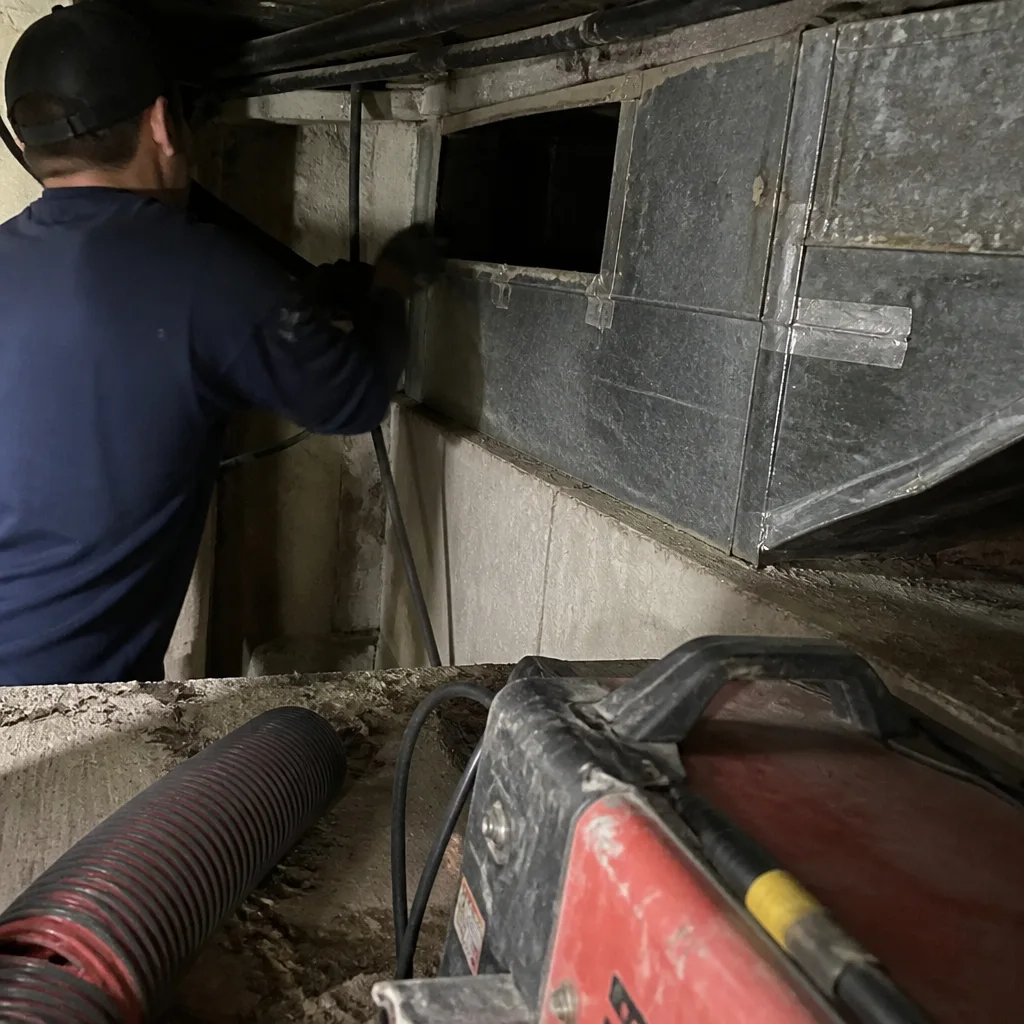 Before
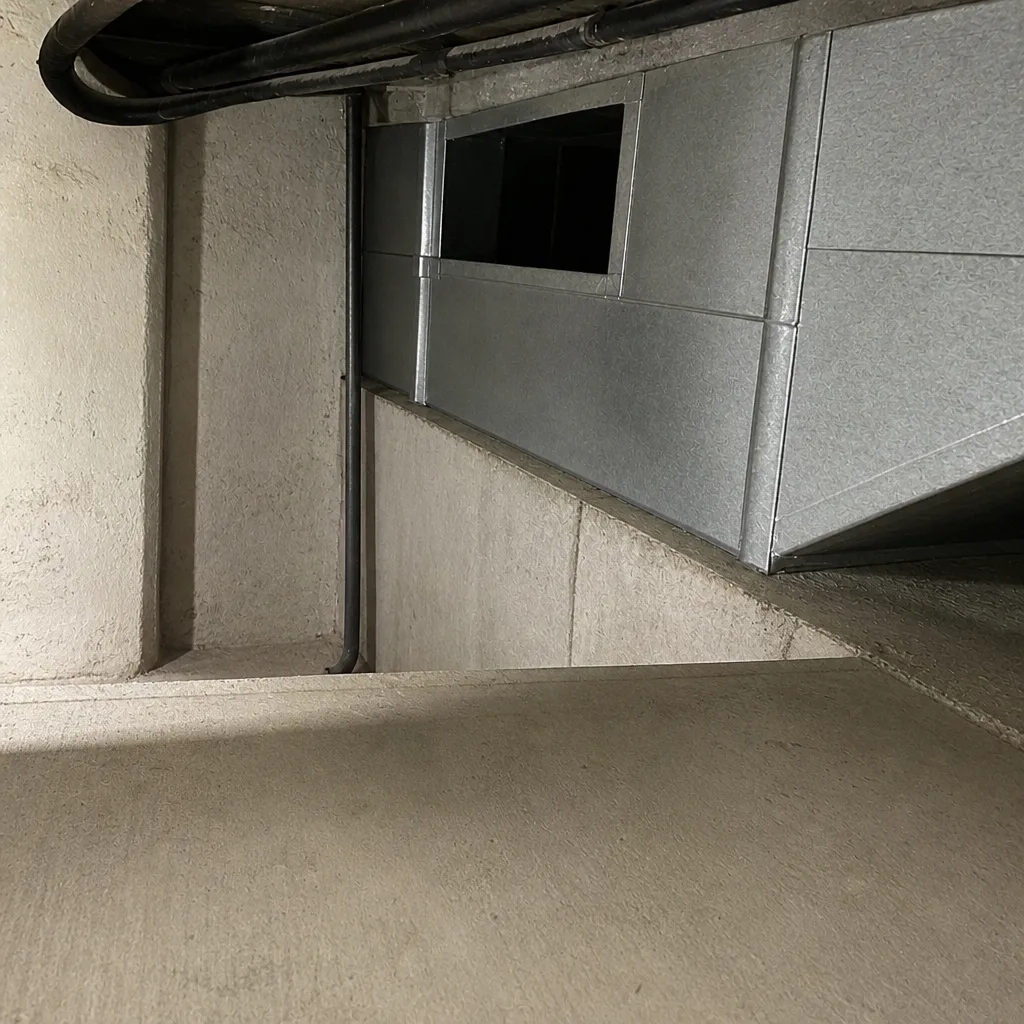 After
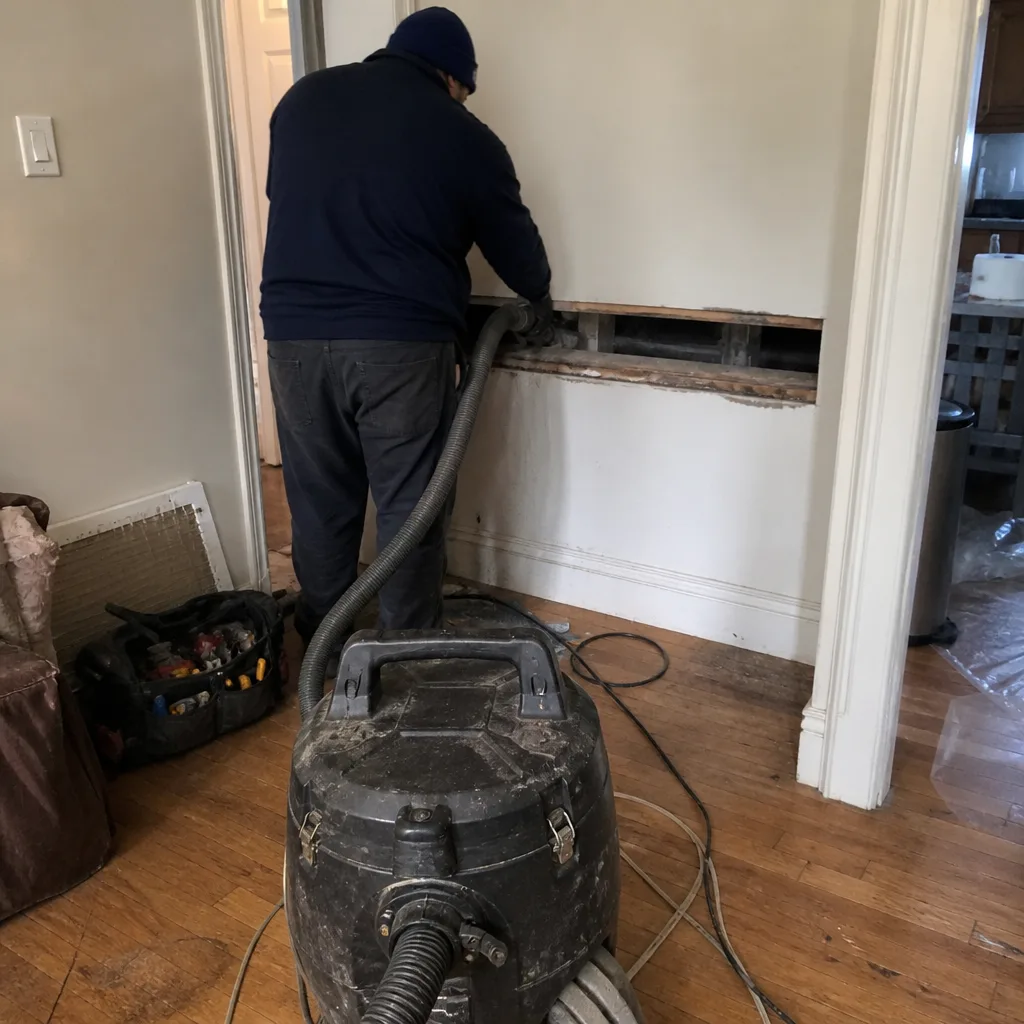 Before
 After
 Before
 After
When to Call a Professional
There’s a specific list of triggers that mean professional cleaning rather than DIY. Persistent musty odors that don’t go away after surface cleaning. Visible debris or dust plumes coming from a supply register when the system starts. Uneven airflow between rooms that wasn’t there before. Allergy or respiratory symptoms in the household that seem to flare when the system runs. Visible microbial growth near a register or on a duct surface. A recent renovation or pest issue that likely sent debris into the system. Unexplained increases in dust on surfaces near registers. And any of the duct-layout situations described above – gravity furnace conversion, inaccessible ceiling plenum, shared-wall runs, tight air handler spaces. In any of those cases, professional cleaning isn’t a luxury; it’s the only cleaning that reaches the source. Air Duct Cleaning East Flatbush offers free estimates in East Flatbush – call (844) 484-4185. We answer 24/7. Fast dispatch from 7am to 7pm, Sunday through Friday.
Frequently Asked Questions
You can clean the register grilles, vacuum the visible boot of each duct, wipe the filter housing, and inspect the dryer vent yourself. Those tasks are genuinely useful. What you can’t do at home is agitate and capture debris along the full length of the system, because consumer equipment can’t generate the suction, agitation, and containment simultaneously. For a full cleaning of an East Flatbush row house or pre-war apartment, professional equipment is the practical answer. Call (844) 484-4185 for an exact quote – estimates are free.
Duct cleaning is priced per system, not per vent, and the price is set by a written estimate after an inspection of the actual system. Homeowners should ask for the price for their whole system written down before work begins, not a phone number. Any quote that changes after the technician arrives, without a change in scope, is a warning sign. Call (844) 484-4185 for a free written estimate.
Low advertised prices usually reflect a partial service – often just a surface vacuum at the registers – with the real work priced as an on-site upsell. Whole-system pricing written down before work starts is the way to compare quotes honestly. The other variable is equipment: a contractor with rotary cleaning equipment, negative-air machines, and HEPA filtration has a much higher per-job cost than one with a shop vac. Call (844) 484-4185 to see what a proper whole-system quote looks like for your home.
Ask for before-and-after photos of your specific ducts, taken during the work, and ask to see the equipment being used. Nameable professional equipment (Rotobrush, Nikro, Abatement Technologies) can be verified; vague claims can’t. If the contractor can’t show you photos of your own system at each stage, the verification is missing. Call (844) 484-4185 to arrange an estimate and see the process.
Most homes go three to five years between cleanings when filtration is well maintained, though factors like pets, household dust, recent renovations, and older ductwork can shorten that. The useful signal is symptoms – odor, uneven airflow, visible debris – not a calendar. Homes with leaky ducts or undersized filtration tend to need cleaning more often because recontamination happens quickly. Call (844) 484-4185 for a recommendation specific to your system.
Yes, in two specific ways. Partial cleaning can redistribute debris through the system without capturing it, which makes indoor air quality worse than before. And consumer attachments occasionally detach inside the duct, leaving an obstruction that requires professional retrieval. Register cleaning and filter housing work don’t carry either risk.
The Bottom Line
The DIY question for East Flatbush homeowners comes down to access and equipment, not ability. The maintenance tasks that genuinely help – filter changes, register cleaning, dryer vent inspection, filter housing upkeep – are safe and useful, and they extend the interval between professional cleanings. The things that require covering the full system – high-volume negative pressure, rotary agitation, sealed containment – aren’t achievable with consumer equipment, and partial attempts in East Flatbush’s converted and pre-war systems tend to make the problem worse rather than better. Knowing where the line sits is the whole decision. Air Duct Cleaning East Flatbush offers free estimates in East Flatbush – call (844) 484-4185. We answer 24/7. Fast dispatch from 7am to 7pm, Sunday through Friday.
Written by the team at Air Duct Cleaning East Flatbush.