
Last updated November 22, 2026
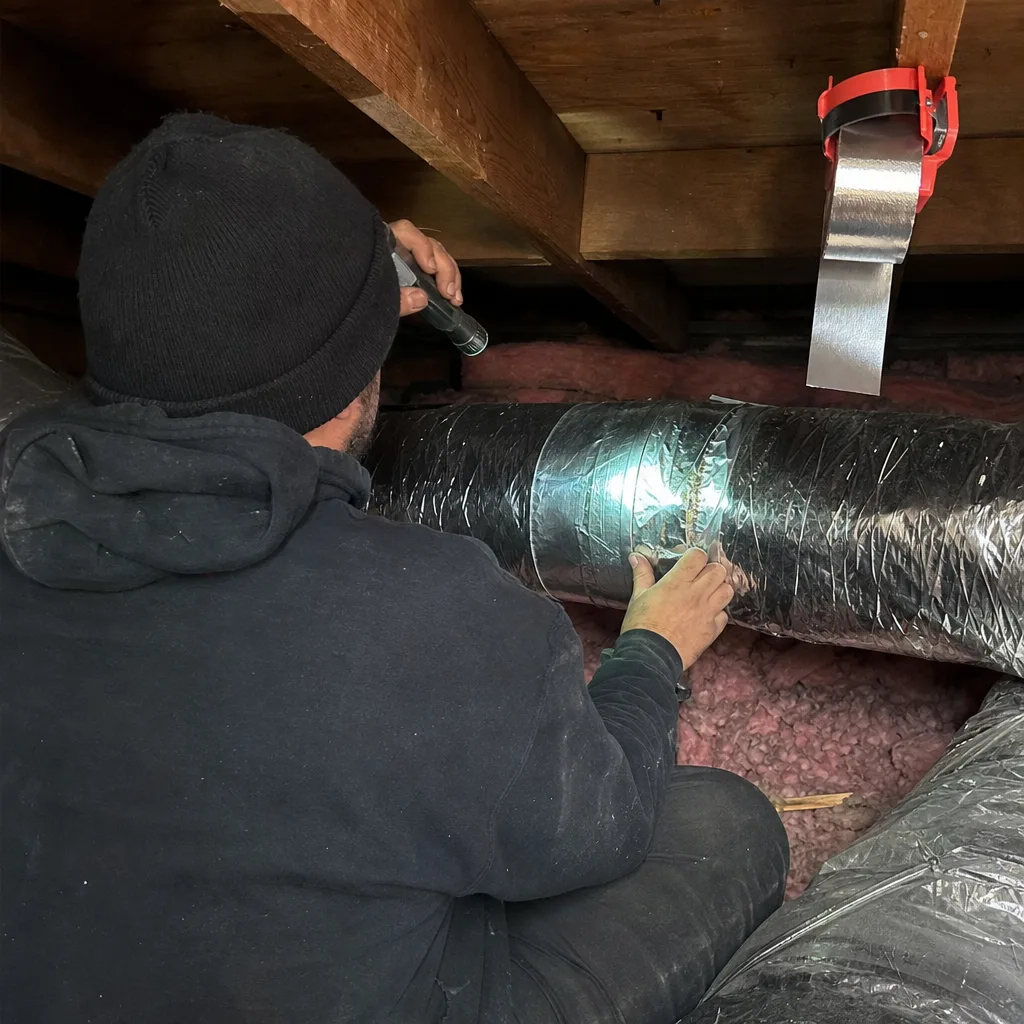
 Whole-home duct cleaning
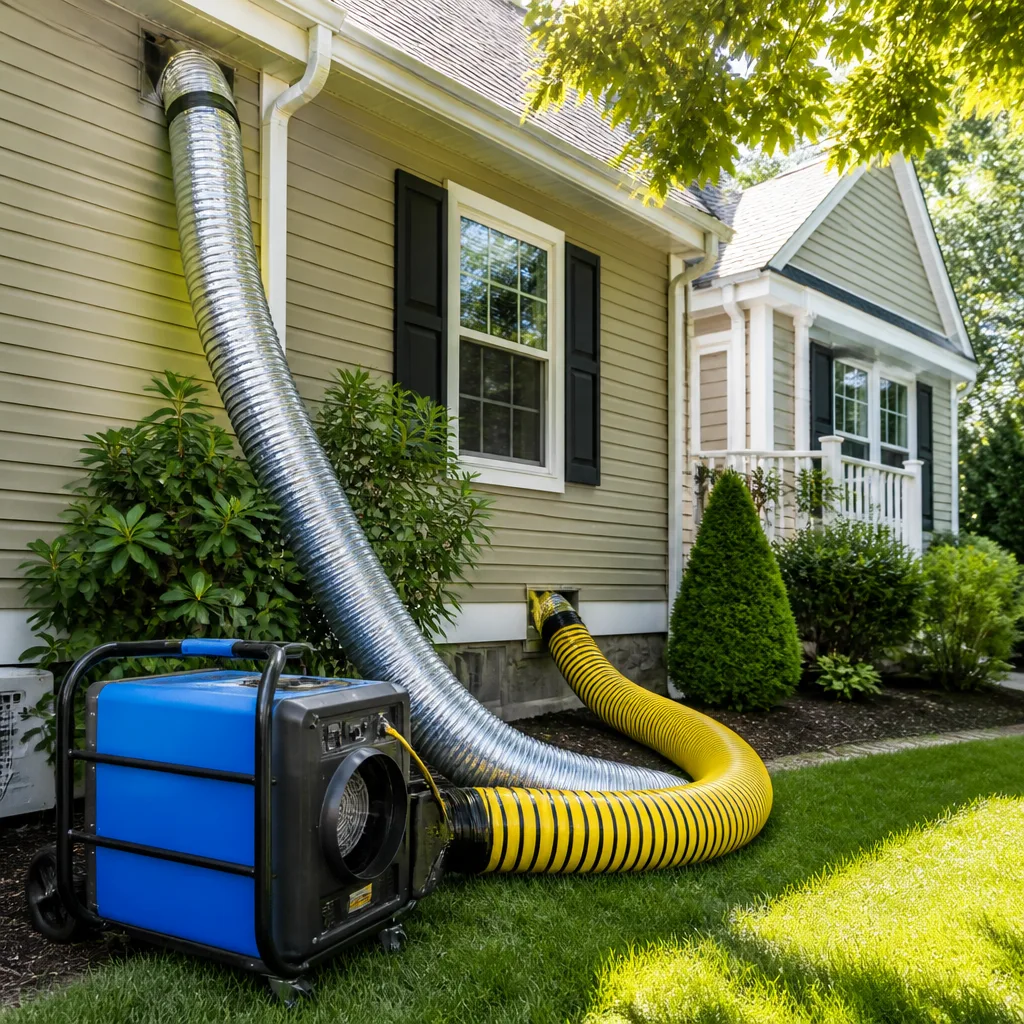
 Dryer vent cleaning
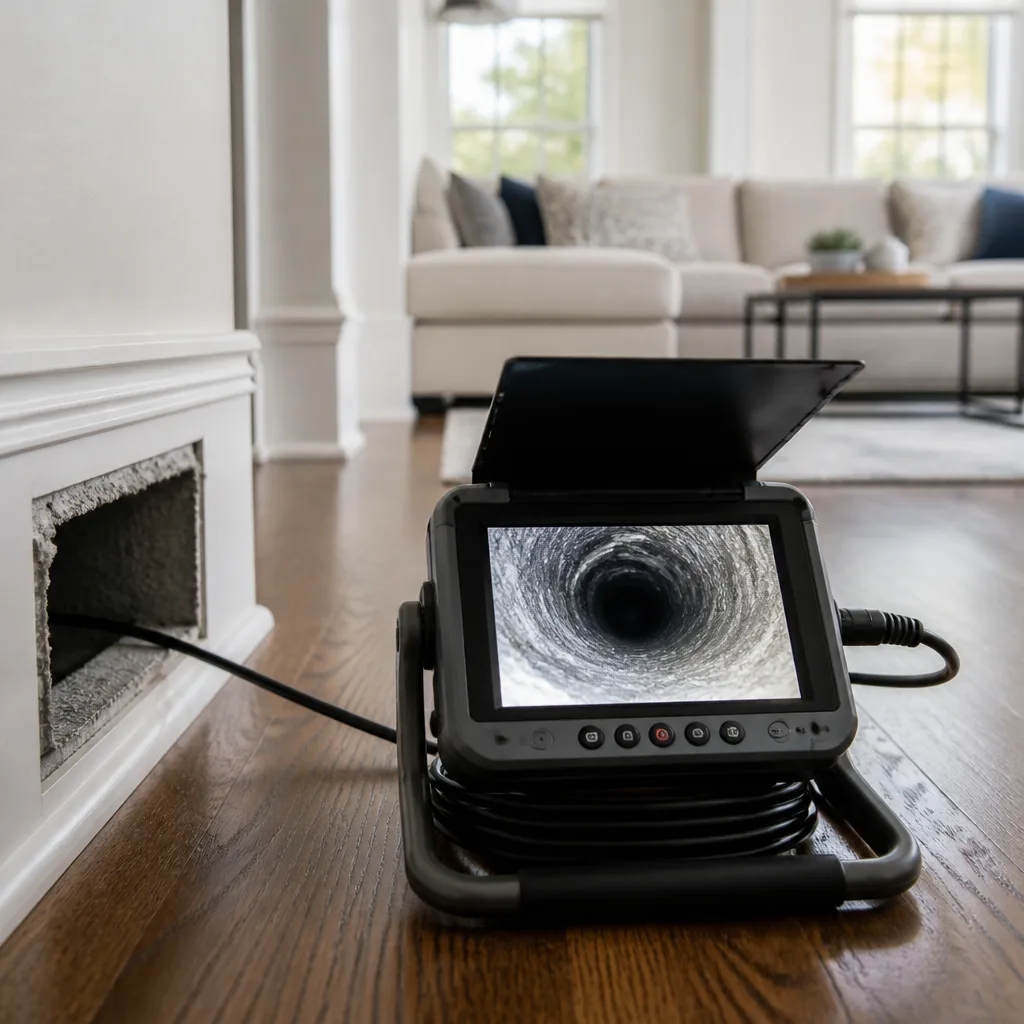 Camera inspection
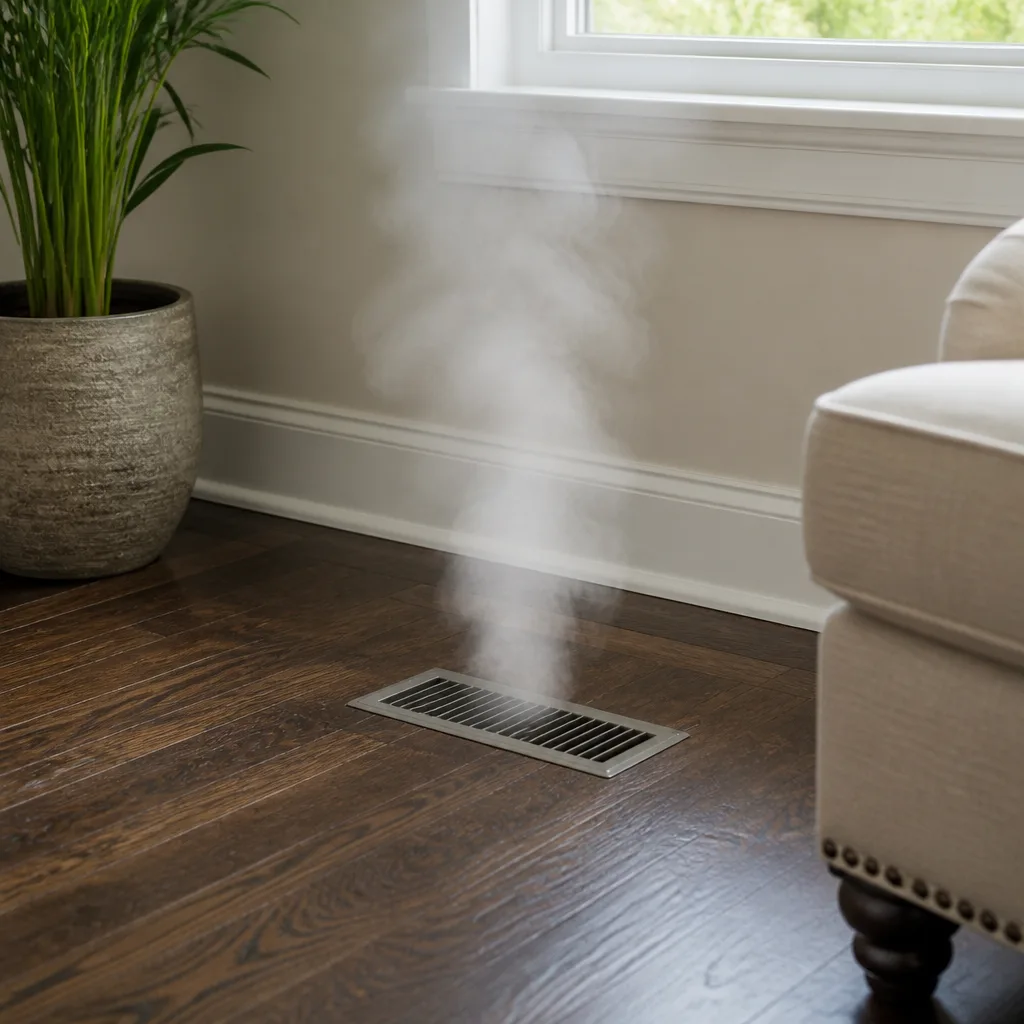 Sanitizing & deodorizing
Whole-system duct and dryer vent check with before-and-after photos - you see exactly what came out of your vents
That "$99 whole-house special" is a bait ad - the real number appears once they are in your hallway, or the "clean" is a shop-vac at the register. We photograph the inside of your ducts before and after instead.
Seasonal Air Duct Cleaning Care for East Flatbush: Year-Round Homeowner’s Guide
Most homeowners treat duct cleaning as a once-a-decade chore, something to remember after a renovation or a move. That approach misses what’s actually happening inside the system. In July, an uninsulated flex duct run in a hot East Flatbush attic can reach surface temperatures above 130°F, and that heat does real work on the mastic and tape holding the joints together, creating the kind of slow leaks that show up on your Con Ed bill but never in a visible symptom. Meanwhile the debris settling in the same system is changing season by season. This guide maps what happens inside a duct system across all four seasons in East Flatbush, what each season asks of you, and how to build a maintenance calendar around the system you actually have.
Quick Answer
Air ducts in East Flatbush should be cleaned once a year, ideally in late spring after the heating season ends, with a visual inspection in fall before the heat comes back on. The priorities shift by season: spring for debris removal, summer for humidity and condensation checks, fall for pest and ignition inspection, and winter for pressure and leak diagnosis. Homes with allergy sufferers, recent renovations, or pets may need a second touch-up.
Styles & brands we work with
- Whole-home duct cleaning
- Dryer vent cleaning
- Camera inspection
- Sanitizing & deodorizing
Table of Contents
- Why Seasonal Care Matters in East Flatbush
- Spring: The Best Time for a Full Cleaning
- Summer: Humidity, Condensation, and Early Mold Signs
- Fall: Pest Nesting and Pre-Heating Inspection
- Winter: Static Pressure and Hidden Leaks
- Building Your Property-Specific Calendar
- How to Know the Cleaning Actually Worked
- Common Mistakes to Avoid
Why Seasonal Care Matters in East Flatbush
East Flatbush sits in a climate band that alternates between humid, sticky summers and cold, dry winters. That swing does more to a duct system than any single weather event. A duct system in this neighborhood weathers roughly four distinct phases every year: heat-off, humid, heat-on, and deep freeze. Each phase nudges debris, moisture, and airflow in a different direction. A duct that was fine in March can show problems by August without anyone touching it.
The second factor is the housing stock. Many East Flatbush homes are older than the ducts inside them. Original gravity systems have been retrofit with forced air. Basements in the neighborhood fill with humidity in summer. Attic runs bake. Retrofit mini-splits supplement steam systems in some homes, creating a hybrid setup where two systems share one house but don’t share the same ductwork.
We’ve seen all three patterns in East Flatbush: the 1920s house with a 1990s forced-air retrofit, the split-level with a basement return trunk that condenses all summer, and the corner property with a steam boiler and three mini-splits handling the upper floors. The maintenance calendar for each is different.
That’s the core argument of this guide. Seasonal duct care in East Flatbush isn’t about cleaning four times a year. It’s about knowing what each season puts your system through and picking the right moment to act. One well-timed cleaning plus a couple of inspections gets further than four half-hearted vacuum passes.
Spring: The Best Time for a Full Cleaning
Spring is the single best window for a full air duct cleaning in East Flatbush, and it comes down to what happens inside a system between October and April. During heating season, air is warmed at the heat exchanger roughly every hour the system runs. Warm air rises, and so does the dust it carries. Most of that debris deposits on the return side of the system, the supply runs, and the heat exchanger itself.
By the time heat season ends, three deposits have built up:
- Return plenum dust. The return trunk carries every bit of airborne material the filter misses. In houses where the filter is undersized or neglected, this deposit can coat the plenum walls by the end of March.
- Heat exchanger fines. Fine dust that cooked on the exchanger surface. It doesn’t always look thick, but it’s dense and clings to metal.
- Register buildup. Supply registers collect dust on the downstream side, which recirculates into the room every time the fan runs.
Clean this in April or May and the system runs cooler through summer. Clean it in September and you’re blowing that winter deposit around the house all summer first. That’s the practical case for spring cleaning. It also aligns with how we schedule the work. We use Air Duct Cleaning East Flatbush equipment built around rotary contact cleaning systems, which get the compacted stuff off the duct walls. A standard shop vac doesn’t. Our technicians have up to 13 years of experience running this equipment, and they know what spring deposits in an East Flatbush house look like versus what a September system shows.
Summer: Humidity, Condensation, and Early Mold Signs
Summer is the season air duct problems hide. In East Flatbush, the humidity that builds in basements and crawlspaces in July and August has no natural vent, and any cool duct surface running through that space becomes a condensation magnet. Uninsulated or poorly insulated basement runs in East Flatbush are especially vulnerable. When warm, humid air meets a cold supply duct running through a basement, moisture forms on the duct exterior. That moisture migrates to the insulation and the duct wall.
That’s the initial condition for mold. Not mold itself. The moisture that precedes it.
Here’s what to check in July and August:
- Look at the insulation jacket on basement and crawlspace runs. Dark patches, discoloration, or peeling seams are early signs of wet insulation.
- Smell the air at the return grille. A musty smell at the return means the moisture is already inside the system.
- Check the drain pan and the evaporator coil cabinet. Standing water or a stained pan means humidity is being reintroduced at the air handler.
- Look for rust streaks on duct seams. Rust on the outside of a duct means repeated condensation cycles.
If you catch it in July, it’s a moisture management and cleaning problem. If you catch it in September, it’s usually a remediation problem. The difference in scope is significant. We bring Abatement Technologies air filtration equipment on-site for jobs where contaminant control matters, and that’s the standard for remediation work, not routine cleaning. That gear is used in professional mold and contaminant remediation, not in a consumer-grade duct service. Catching the condition early is the difference between needing it and not. Guardsman sanitizing products go on post-cleaning to treat the surfaces where microbial growth starts, but prevention is the better path.
Summer is also a good time for HVAC cleaning, since the evaporator coil is the part most exposed to summer humidity and the part that most benefits from a mid-season inspection.
Fall: Pest Nesting and Pre-Heating Inspection
Fall inspection in East Flatbush catches two things most homeowners never think to check: pest activity that happened during summer, and the interaction between a dirty system and the start of heating season.
Rodents, insects, and the occasional bird make their way into duct systems and around duct boxes when the weather cools. The damage is rarely visible from inside the house. It happens at the outdoor connections, the supply plenum near the air handler, and the gaps around floor registers. The signs are subtle: small droppings, dust patterns inside the duct, a musty smell when heat first comes on in October.
Heating season adds a second risk. When the boiler or furnace fires up in October, the combustion byproducts have to go somewhere, and the safe path is the flue, not the return duct. A return duct with significant debris, or one that shares air space with a leaky heat exchanger, can pull combustion byproducts back into the house. This is the “backdrafting” problem. It’s not a duct cleaning issue on its own, but a dirty return plenum and a compromised heat exchanger together make it worse.
Fall inspection priorities:
- Visual inspection of the return plenum and the outdoor air connections.
- Check for pest activity at floor registers and duct boots.
- Verify the heat exchanger has been inspected by an HVAC tech before firing the boiler.
- Look at the filter condition going into heat season, and replace if it’s over three months old.
- Check for loose tape at any duct joints in unconditioned space, especially in the attic, where summer heat can degrade mastic.
If the fall inspection turns up debris, this is the second-best window for a full cleaning, after spring. It’s not as good, because the system is heading into heat season with the debris, but it’s far better than January.
Winter: Static Pressure and Hidden Leaks
Heating season reveals duct leaks that were invisible in cooling mode. This is the most underrated seasonal fact about duct systems in East Flatbush, and the reason winter is more diagnostic than it looks.
When the heat comes on, the system runs longer and stronger than in cooling season. Air expands as it’s warmed at the exchanger, and static pressure inside the ductwork rises. Every joint, seam, and boot becomes a potential leak in a way it isn’t during the shorter, gentler cooling cycles. Small gaps that didn’t matter in September push measurable air into the attic or basement by January.
Closed interior doors compound this. In a house where several bedroom doors stay closed for heat retention, the return path gets restricted. The air handler pulls harder on the return side, which raises pressure differentials on the supply side. That pressure finds the weakest duct joints.
What to watch for in winter:
- Rooms that never warm up. A single cold room in a heated house often means a supply duct is leaking before it gets there.
- Higher gas bills in the same weather. If your bill goes up but the temperature hasn’t dropped, the system is leaking air it worked to heat.
- Whistling at registers. Whistling is a pressure problem, not a register problem. Air is finding a path it shouldn’t.
- Dust puffs at the supply when the system starts. That’s debris in the supply trunk getting launched into the room.
Duct repair and sealing is the correct fix for winter leaks, but it works best after a cleaning. Sealing over debris traps it. We do both in one visit because the sequence matters. The cleaning sets the surfaces up for sealing, and the sealing stops the recontamination that would otherwise show up by next summer. That’s what we mean by “clean ducts are only half the job.”
Building Your Property-Specific Calendar
There’s no single correct schedule for East Flatbush. The right calendar depends on the system in your house, so let’s build it by type.
If you have a forced-air system (furnace or heat pump with ductwork)
- April or May: Full air duct cleaning, filter replacement, and evaporator coil check.
- July or August: Visual inspection of basement and crawlspace duct runs for condensation. No cleaning unless problems appear.
- October: Pre-heating inspection, pest check, and a heat exchanger check by an HVAC tech.
- December or January: Filter check and register inspection for cold rooms.
- Next April: Repeat.
If you have steam or hot water radiators with supplemental mini-splits
This is one of the most common configurations in East Flatbush retrofit homes. The radiators have no ducts. The mini-splits have short duct runs, usually ceiling cassettes or wall-mounted units with dedicated short ducts. Your maintenance rhythm is different:
- April or May: Clean the mini-split duct runs and the supply plenum of any ducted head. Check the cassette coil and drain pan.
- July: Check the condensate drain, since mini-splits condense more in humid East Flatbush summers.
- October: Inspect the radiators for dust accumulation behind the covers. Not duct work, but part of the system air quality.
- Annually: Clean any shared ducted mini-split plenum. The mini-split itself does not need duct cleaning if it’s ductless, but its filter and coil do need attention.
If you’re not sure which category your house falls into, that’s normal. Plenty of East Flatbush homes mix systems. The point isn’t to slot into one bucket. It’s to look at the setup, decide which seasonal risks apply, and build out the calendar from there.
One additional note: if you own a multi-family building in East Flatbush, add a second inspection in September for the common-area duct runs, since shared returns between units are common in older multi-family stock and accumulate debris from every tenant’s household air.
How to Know the Cleaning Actually Worked
Duct cleaning has a reputation problem in the trade, and it’s earned. A technician arrives, brings a vacuum hose, runs it in one or two spots, and leaves with a bill. The homeowner has no way to know what happened. That’s why we don’t work that way, and why you should ask for proof regardless of who you hire.
Here’s what a properly done cleaning in an East Flatbush home looks like:
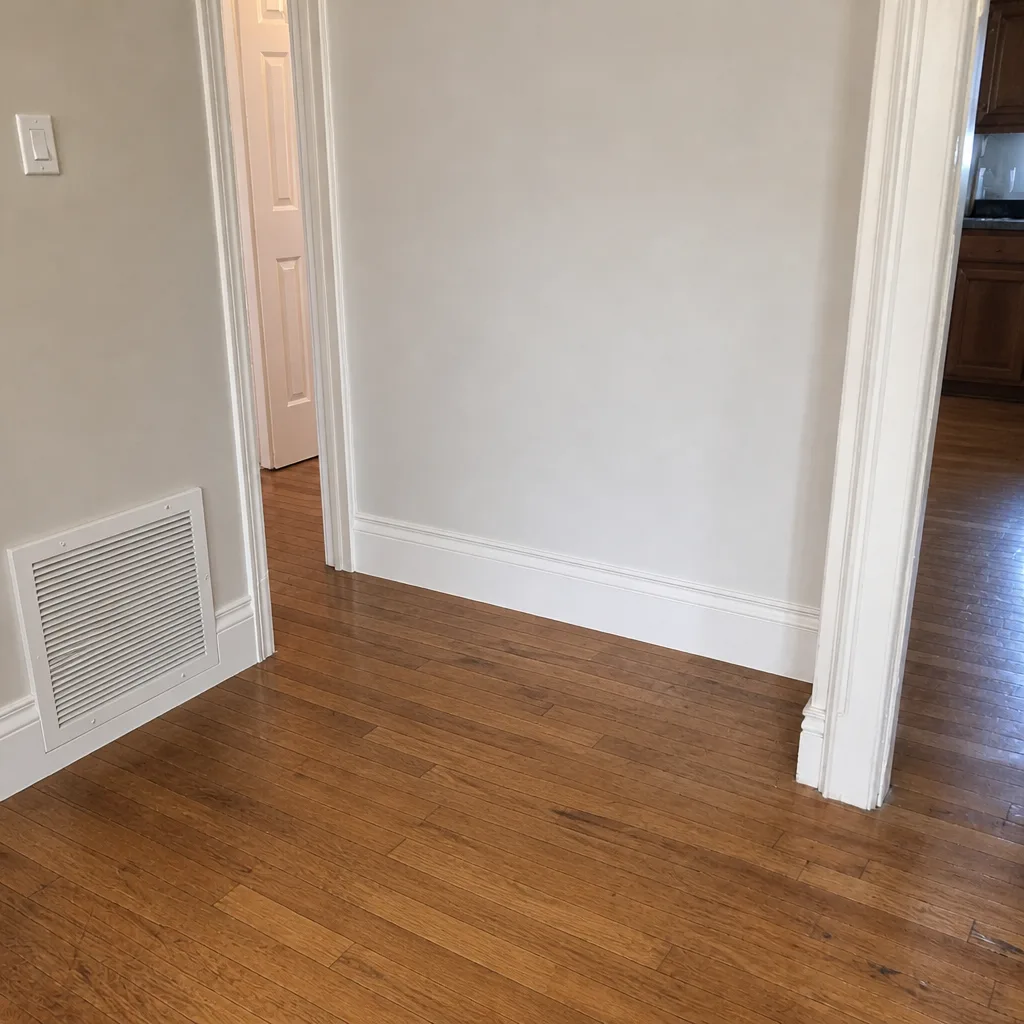
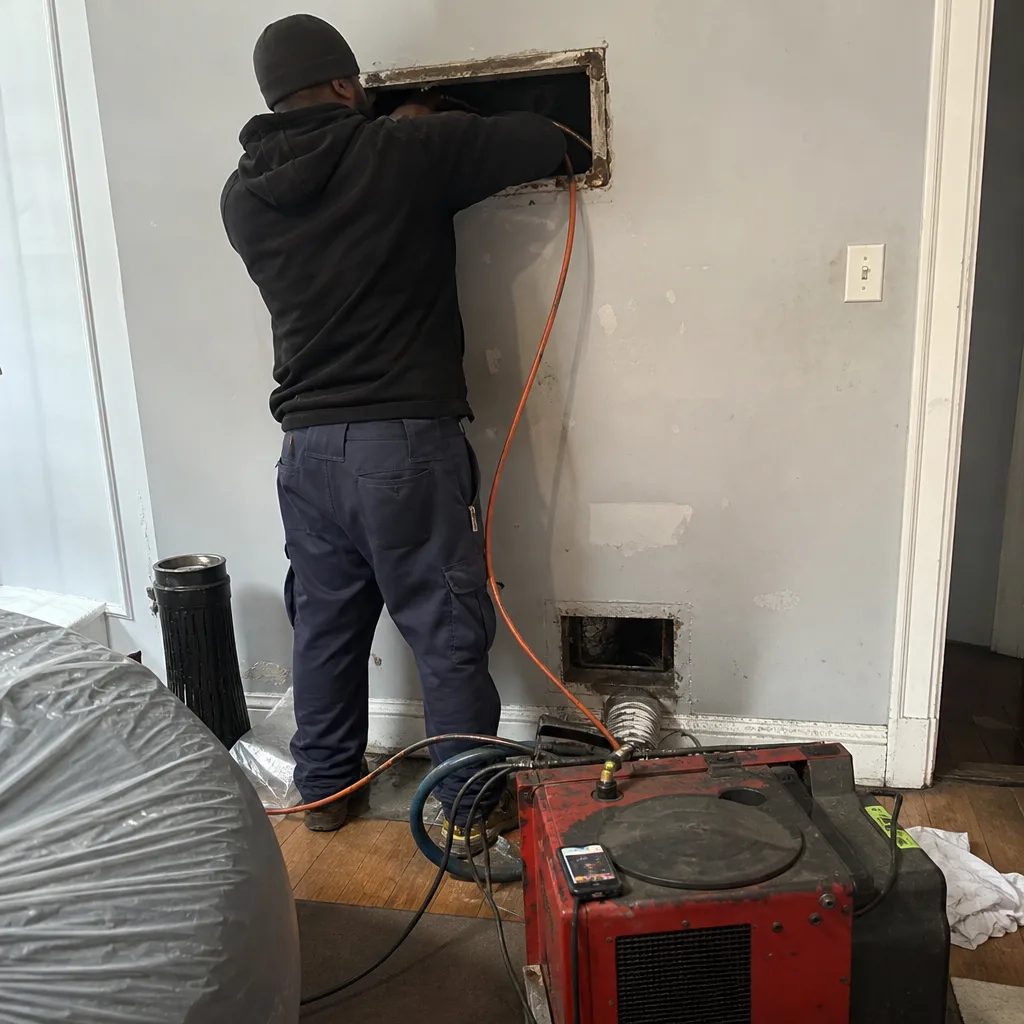
- Before-and-after photos of your own ducts. Not stock images. Not a sample photo. Photographs of the duct you paid to have cleaned, taken before the work starts and after it’s finished.
- A rotary contact cleaning tool, not a hand vacuum. The industry standard for dislodging compacted debris is rotary equipment. Ours is Rotobrush, and the equipment is the reason a cleaning actually removes deposit rather than just loosening it.
- Containment during the job. Professional cleaning keeps the dust inside the system, not in your living room. Ask about filtration equipment.
- A filter upgrade, if applicable. If you’re upgrading the system’s filter as part of the visit, the technician should show you what was installed and why it fits your air handler.
- A written summary of what was found. Debris condition, any leaks spotted, any areas that need follow-up.
Nikro equipment meets NADCA-recognized standards for HVAC cleaning, which is worth asking about specifically if you’re comparing quotes. A vacuum with no rotary tool and no containment is not a professional cleaning. It’s a light dusting of the plenum.
We also install Honeywell and Aprilaire air quality components when the filtration side of the system needs upgrading. If the cleaning turns up a filter that’s undersized, and the air handler can support it, upgrading in the same visit makes more sense than scheduling a second trip. One visit, full system.
Common Mistakes to Avoid
- Waiting until fall to clean. The best cleaning window is spring, after the heating season and before the cooling season. Cleaning in October means the winter deposit gets recirculated through the house in July. The distinction matters in East Flatbush because the system runs heavy through both seasons.
- Skipping the crawlspace and basement runs. These are the duct surfaces that see the most condensation, and they’re the ones homeowners never see. Ask specifically that basement and crawlspace runs are on the job scope.
- Hiring only on price. A quote that’s meaningfully below the rest of the market usually reflects a one-step vacuum service, not a full-system cleaning. The cost shows up a season later when the ducts are still dirty.
- Ignoring musty smell at the return grille. Musty smell is an early signal, not a cosmetic nuisance. In East Flatbush, that smell through July and August is a moisture problem in the ductwork, and it’s cheaper to catch it in June than to remediate in October.
- Sealing ducts over debris. Duct sealing should follow cleaning, never the reverse. Sealing first locks debris in place.
- Assuming a mini-split means no duct work. Ducted mini-split heads are common in East Flatbush retrofit homes, and they do need cleaning on the same annual rhythm as a full duct system. Ductless units need coil and filter service, not duct cleaning.
- Not tying the cleaning to the filter quality. If the system runs a cheap filter, the debris will be back inside a year. Upgrading the filtration of the system as part of the cleaning visit is the difference between a one-year clean and a three-year clean.
See the difference
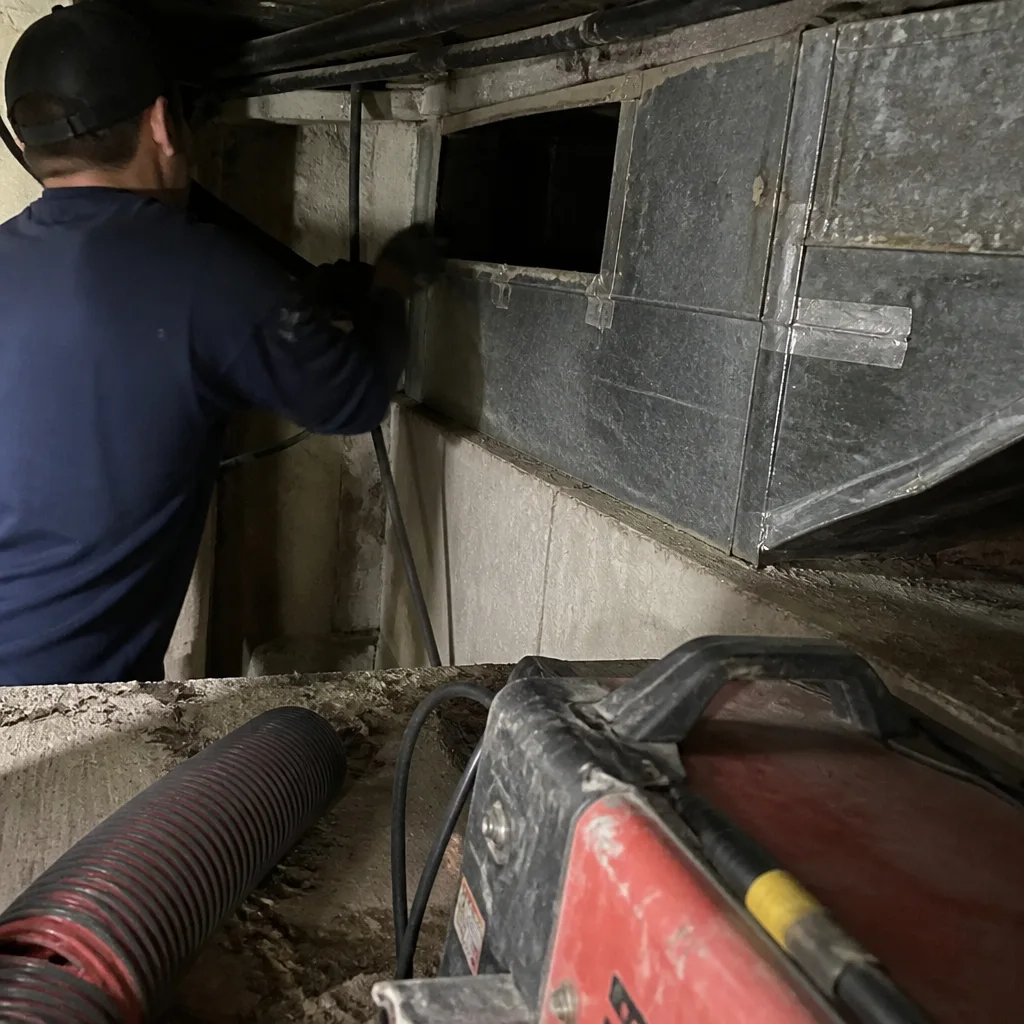 Before
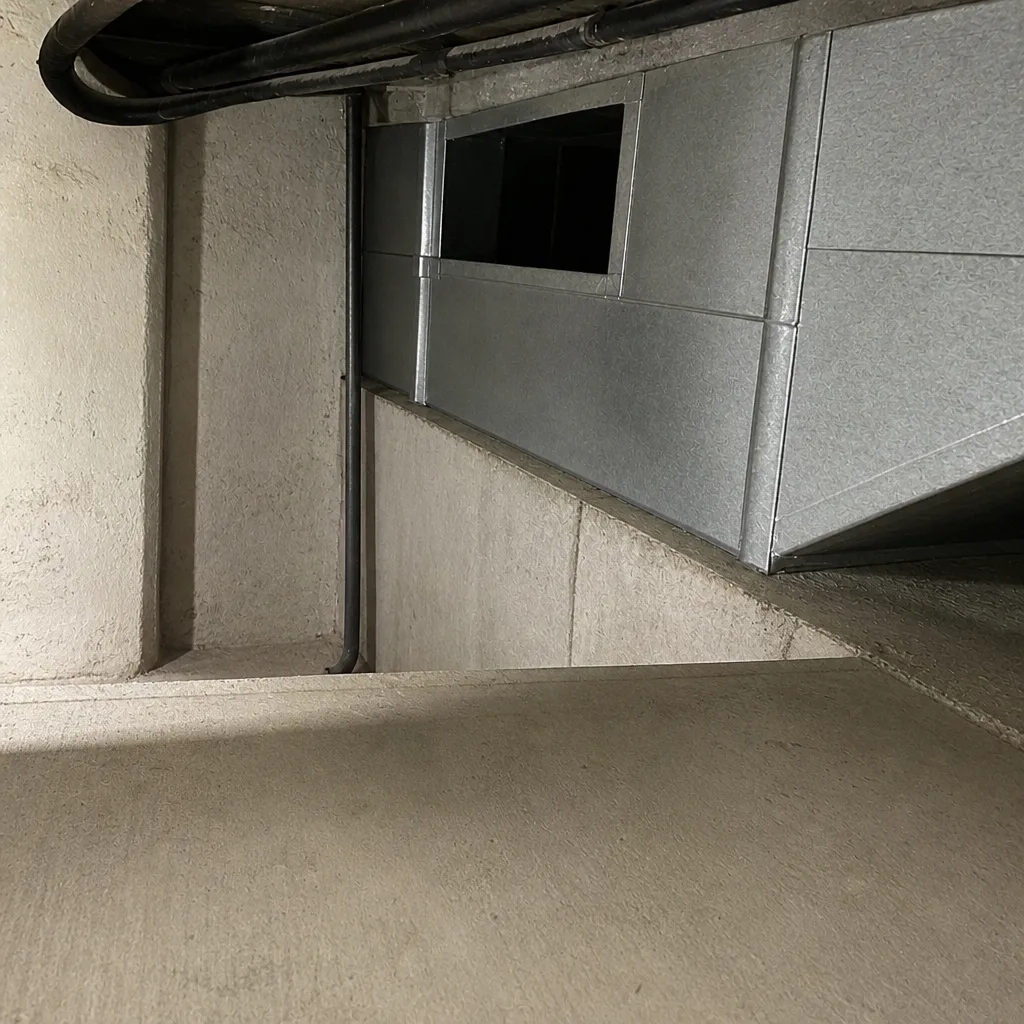 After
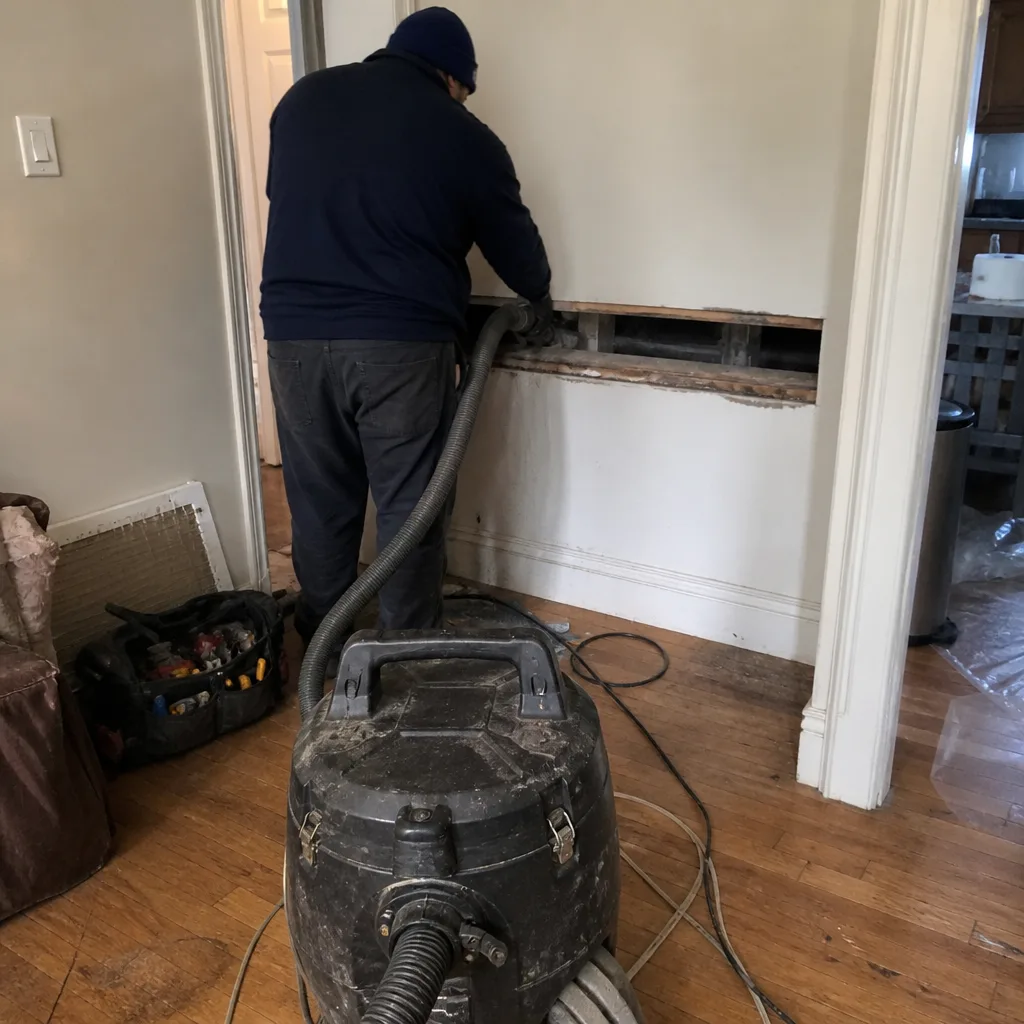 Before
 After
 Before
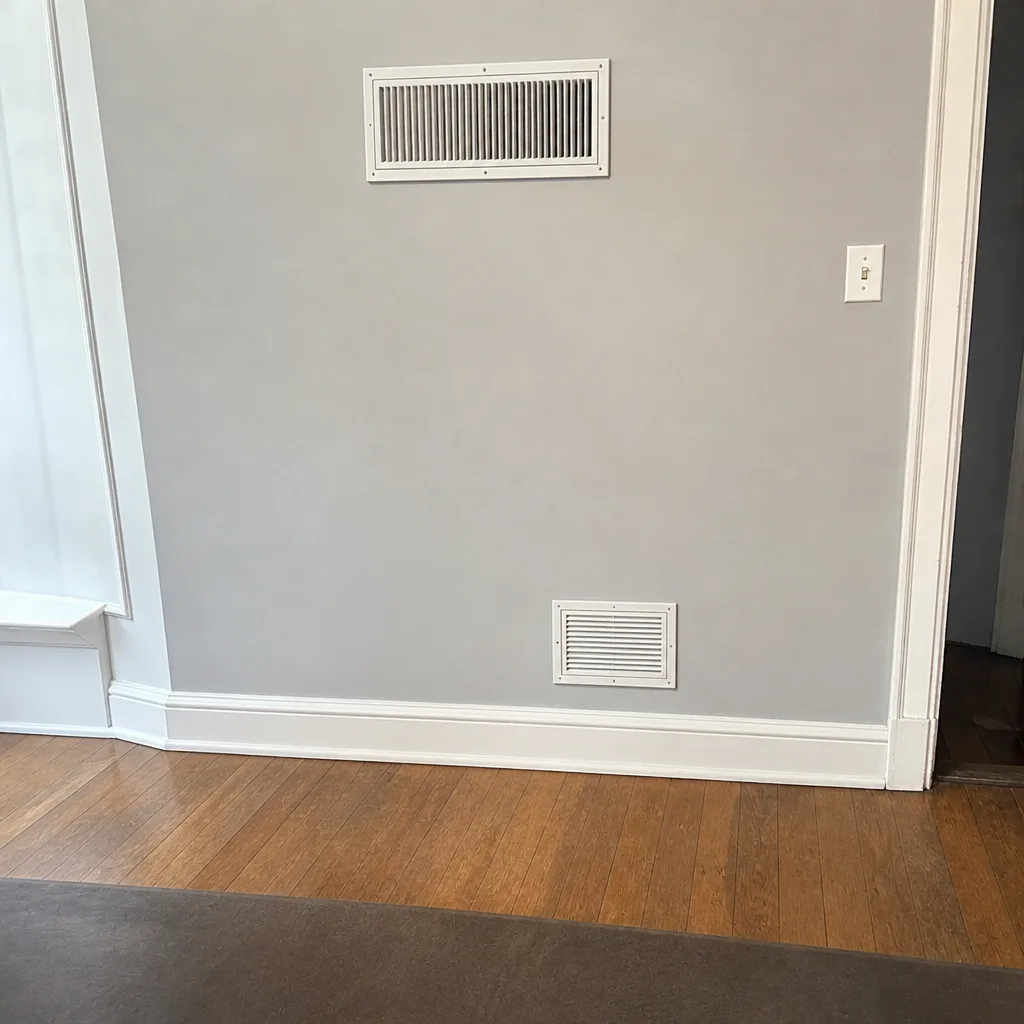 After
When to Call a Professional
You should call a professional duct service in East Flatbush in a few specific situations. Visible debris blowing out of the supply registers is the most obvious one. A musty smell at the return grille that doesn’t clear after a filter change is another, since that points to moisture inside the system. Recent renovation work that produced drywall dust is a strong reason to clean the ducts, because construction dust migrates into every duct in a house. New ownership of an older East Flatbush property is a good reason too, since you can’t know what the previous owner did or skipped. And a heat season that showed cold rooms, high bills, or whistling registers should trigger both a cleaning and a duct sealing inspection together. Air Duct Cleaning East Flatbush offers free estimates in East Flatbush. Call (844) 484-4185. We answer 24/7, with fast dispatch from 7am to 7pm, Sunday through Friday. A local pro does the work, licensed and insured as the state requires, and the price is set per job by the written estimate before anything starts.
Frequently Asked Questions
Air duct cleaning in East Flatbush is quoted per job, based on the size of the system, the number of supply and return runs, and whether basement or crawlspace runs are included. We don’t sell per-vent pricing or a teaser coupon rate, because both leave room for a bigger bill once the technician is on site. The written estimate sets the final price, and the work starts only after you agree. Call (844) 484-4185 for an exact quote. Estimates are free.
Cheaper quotes are usually a one-step vacuum service, not a full cleaning. The equipment matters. A shop vac and a hose cannot dislodge compacted debris from a duct wall the way a rotary contact tool does. Ask what equipment the technician will use, ask about containment, and ask for before-and-after photos of your own ducts. Call (844) 484-4185 if you want a quote on the full-system version.
You know because the technician shows you before-and-after photos of your own ducts and walks you through what was found and what was done before leaving. Ask for that at the start of the visit. A cleaner who won’t provide photos or a written summary is telling you something about the service. Call (844) 484-4185 to schedule a visit that includes both.
Once a year is the standard for most East Flatbush homes, with spring as the best timing. Homes with pets, allergy sufferers, recent renovation work, or heavy summer humidity exposure in basement and crawlspace runs may benefit from a second inspection mid-summer. Call (844) 484-4185 to talk through your system and get a recommendation.
Not immediately, but not next spring either. A duct leaking into an attic or crawlspace in January is losing conditioned air the whole season, and that loss is on your Con Ed bill. Schedule an inspection while heat season is running so the leak shows up on the diagnostic. Call (844) 484-4185. We answer 24/7 and dispatch from 7am to 7pm, Sunday through Friday.
Yes, if it’s a ducted mini-split head or if it shares a ducted plenum with the rest of the system. Fully ductless units don’t have ducts to clean, but they do need coil and filter service. If you’re not sure which you have, call (844) 484-4185 and we’ll tell you what the visit should cover. Estimates are free.
The Bottom Line
Seasonal duct care in East Flatbush comes down to four priorities: spring cleaning for the accumulated winter deposit, summer inspection for condensation and early mold signs, fall inspection for pest activity and pre-heating safety, and winter diagnosis for leaks and static pressure problems. Build the calendar around the system you actually have, not the generic one-size schedule every site publishes. Pair the cleaning with a filter upgrade when the system supports it, and ask for before-and-after photos of your own ducts so you know the work happened. If you’d like a straight answer on what your system needs next, Air Duct Cleaning East Flatbush offers free estimates in East Flatbush. Call (844) 484-4185. We answer 24/7. Fast dispatch from 7am to 7pm, Sunday through Friday. One flat price per system, agreed before the work starts, with before-and-after photos when we’re done. For related services, see dryer vent cleaning for the same seasonal logic applied to your dryer vent.
Written by the team at Air Duct Cleaning East Flatbush.