
Last updated November 22, 2026
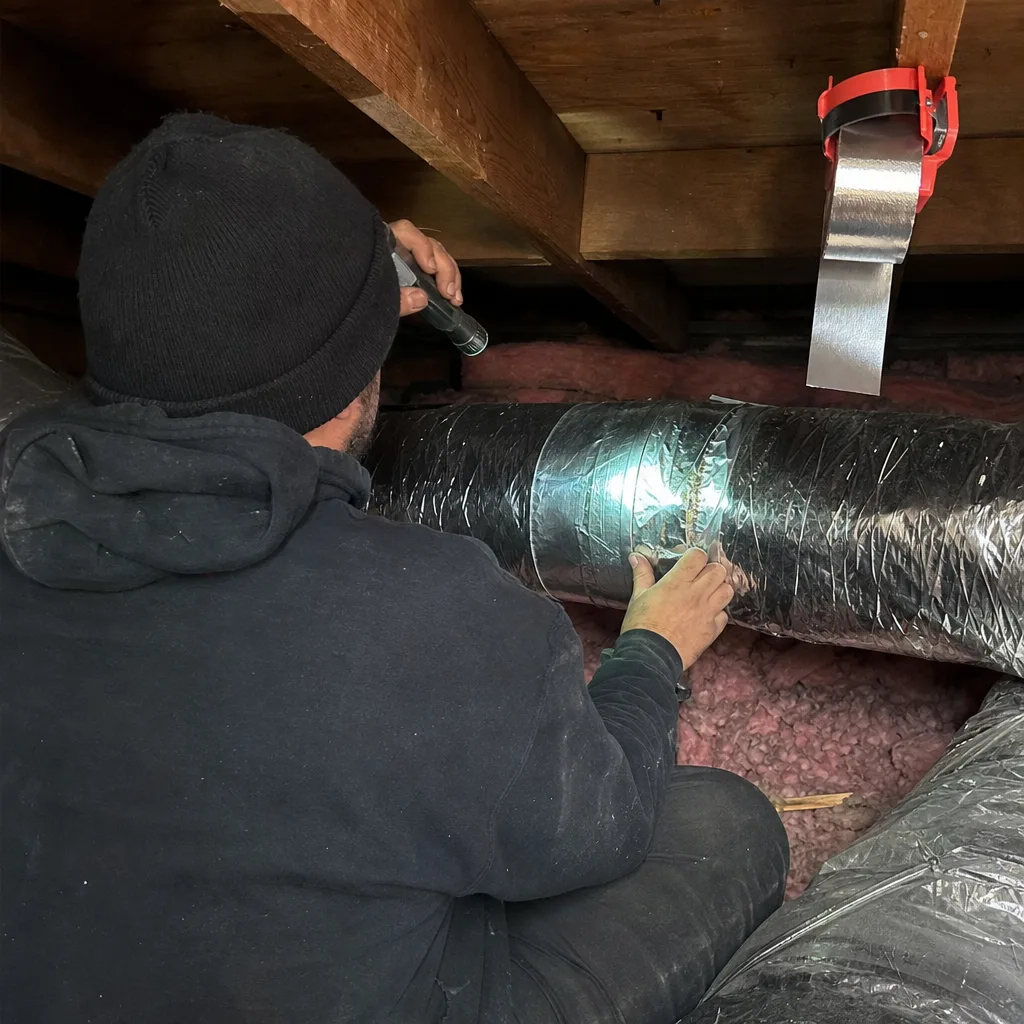
 Whole-home duct cleaning
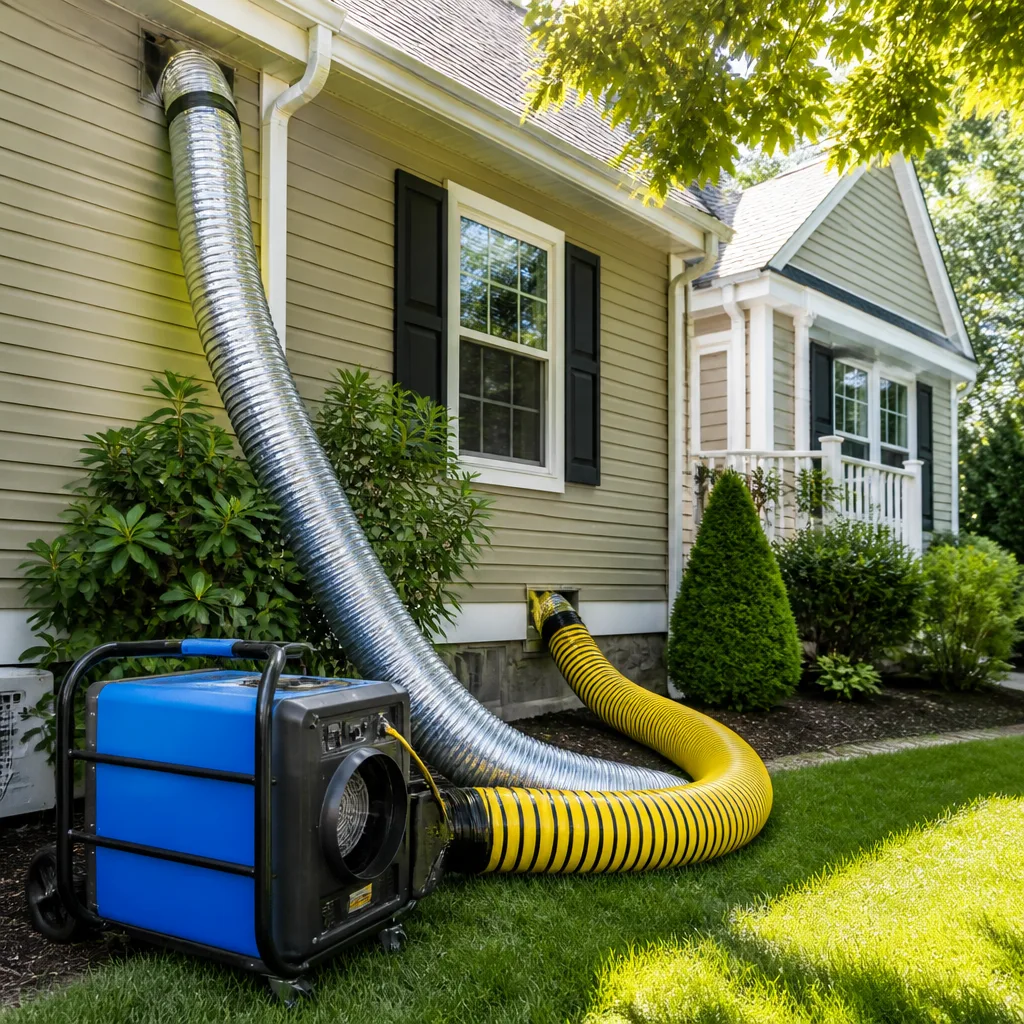
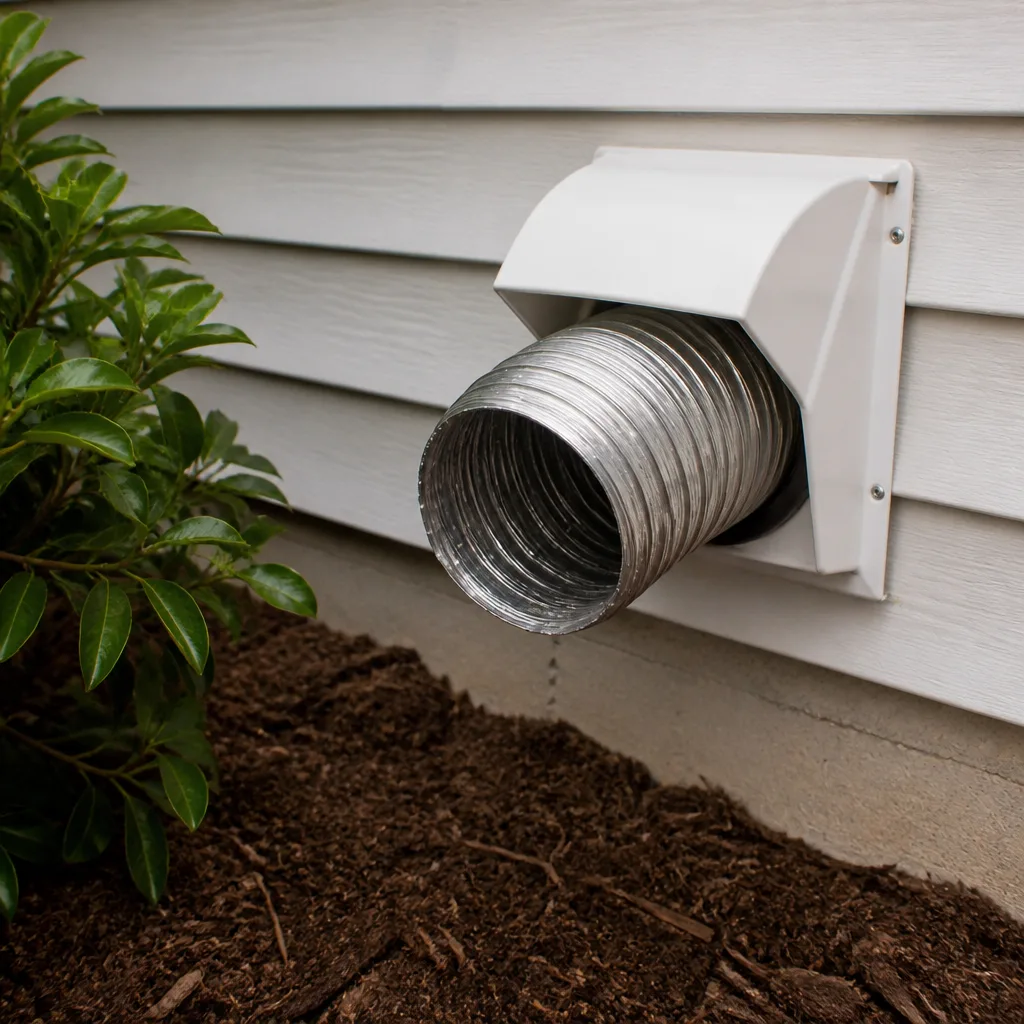 Dryer vent cleaning
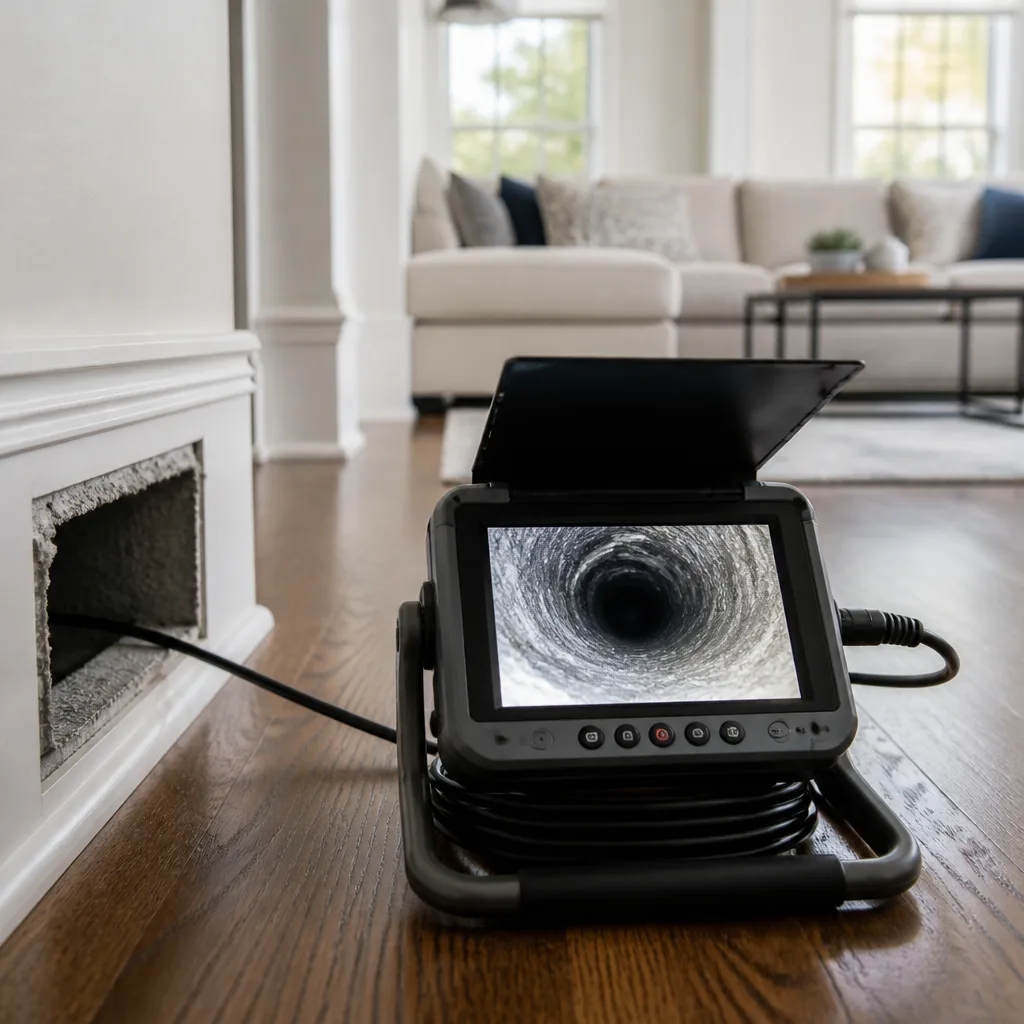 Camera inspection
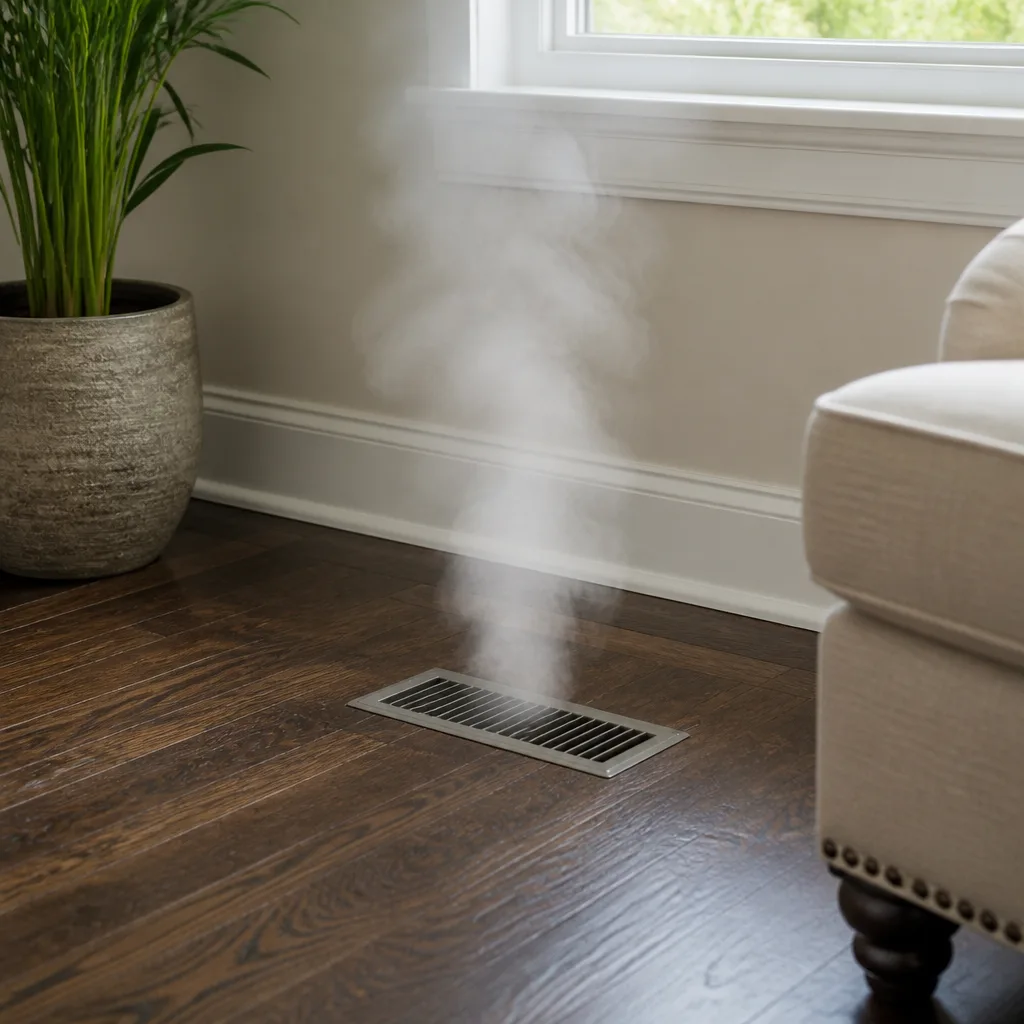 Sanitizing & deodorizing
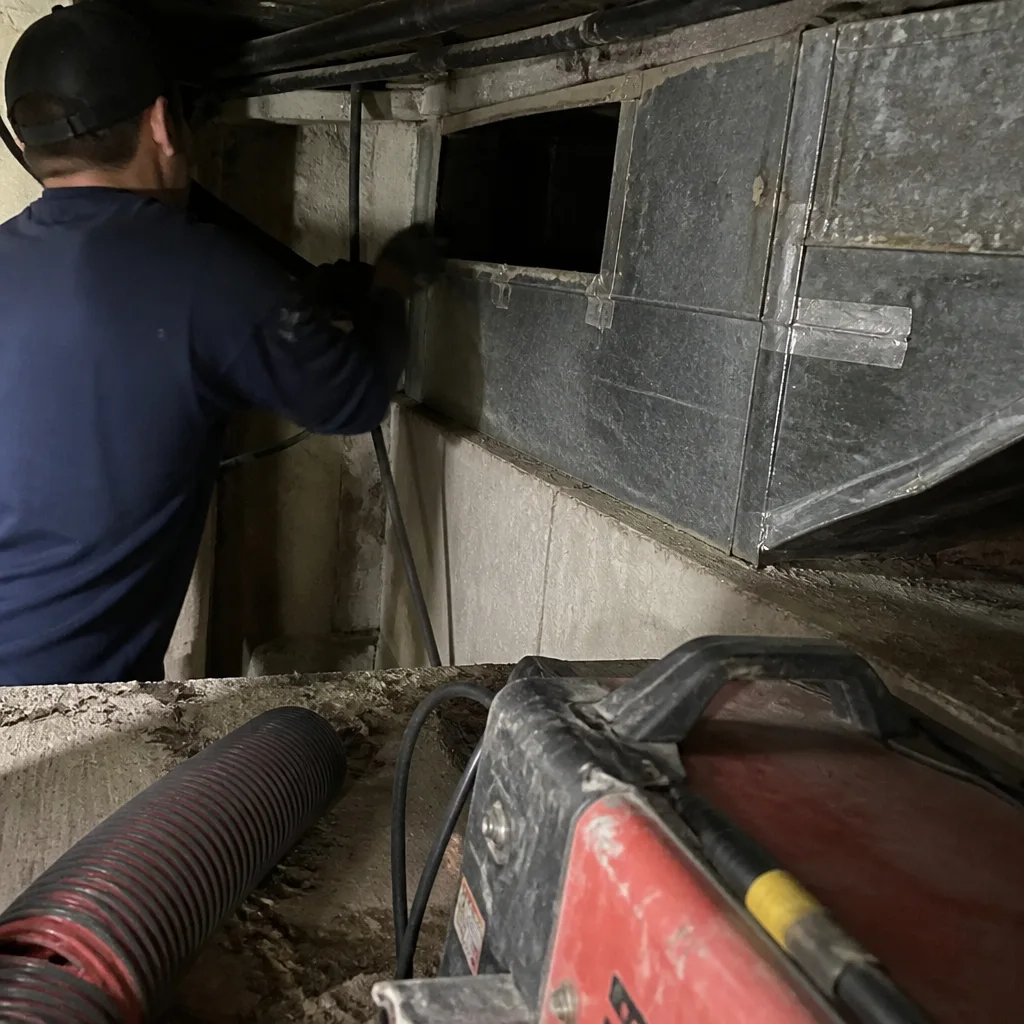
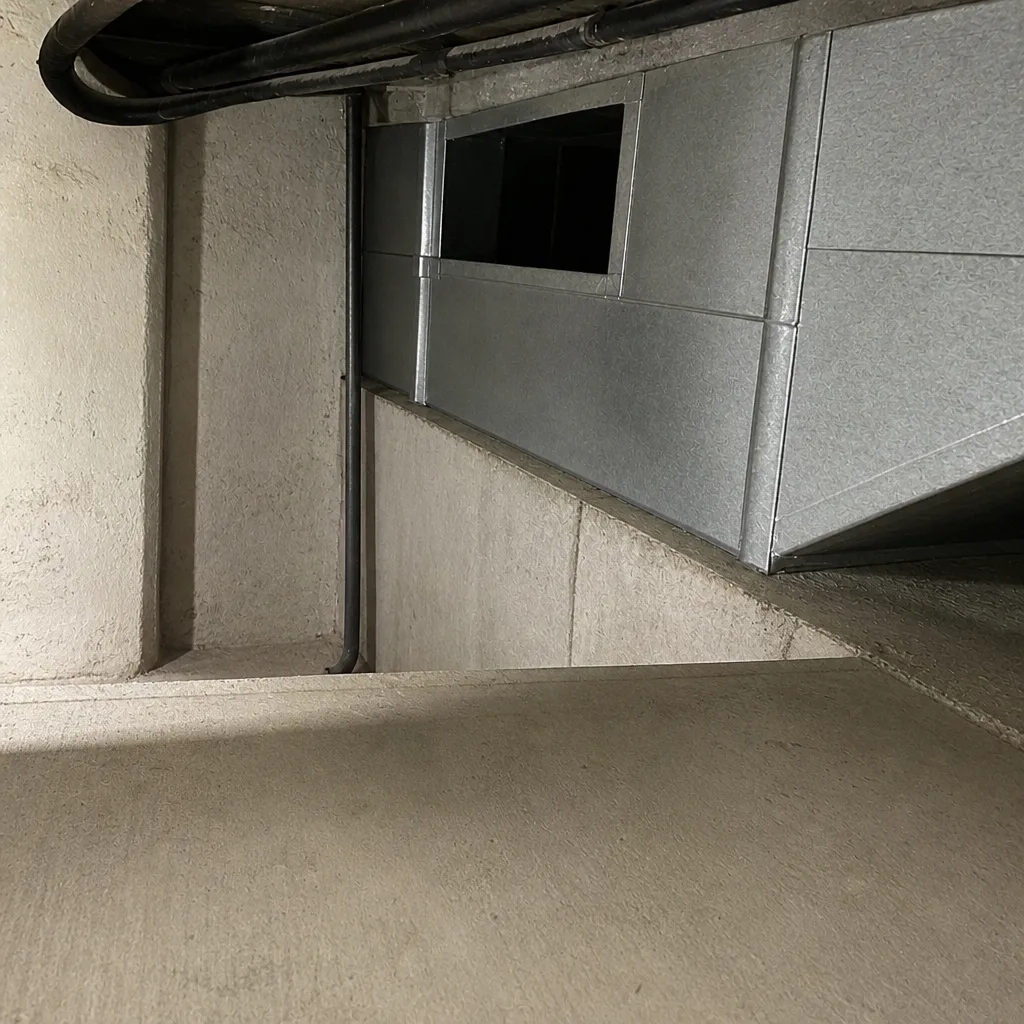
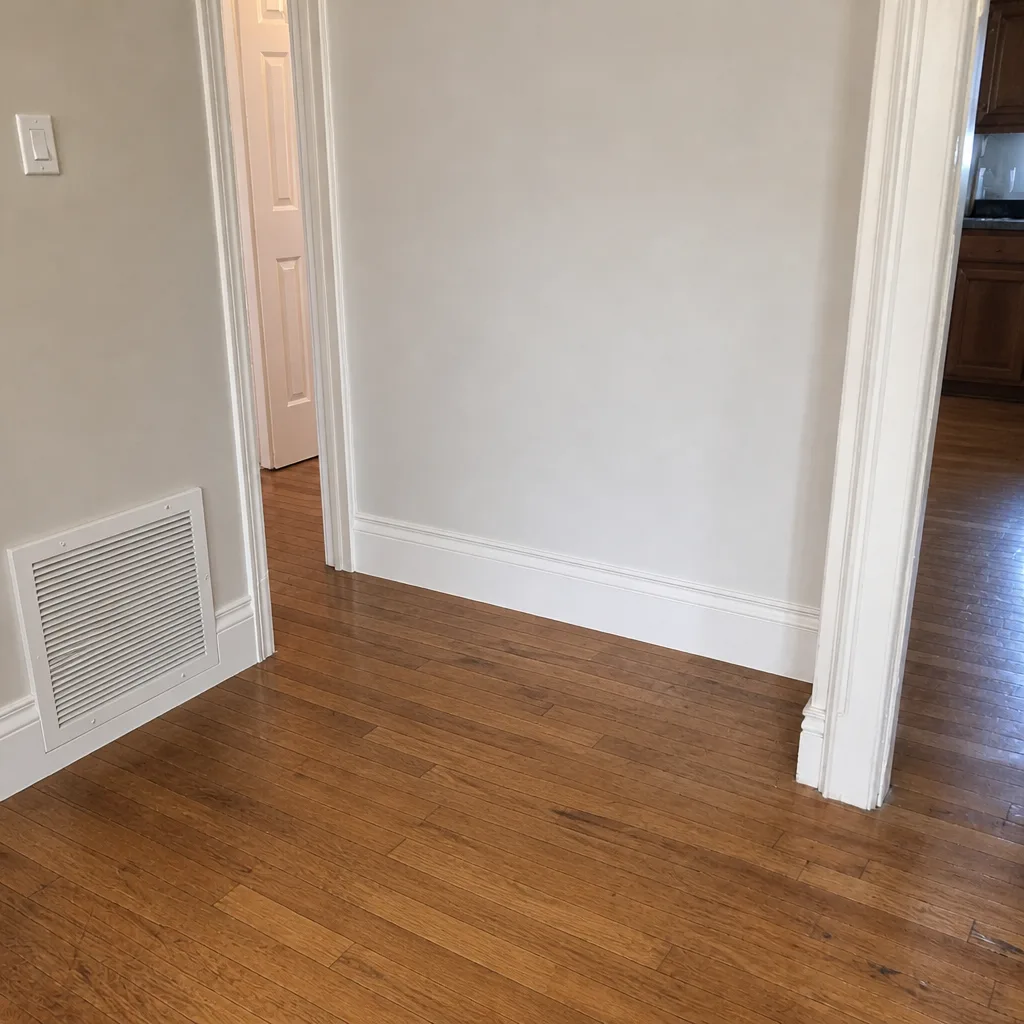
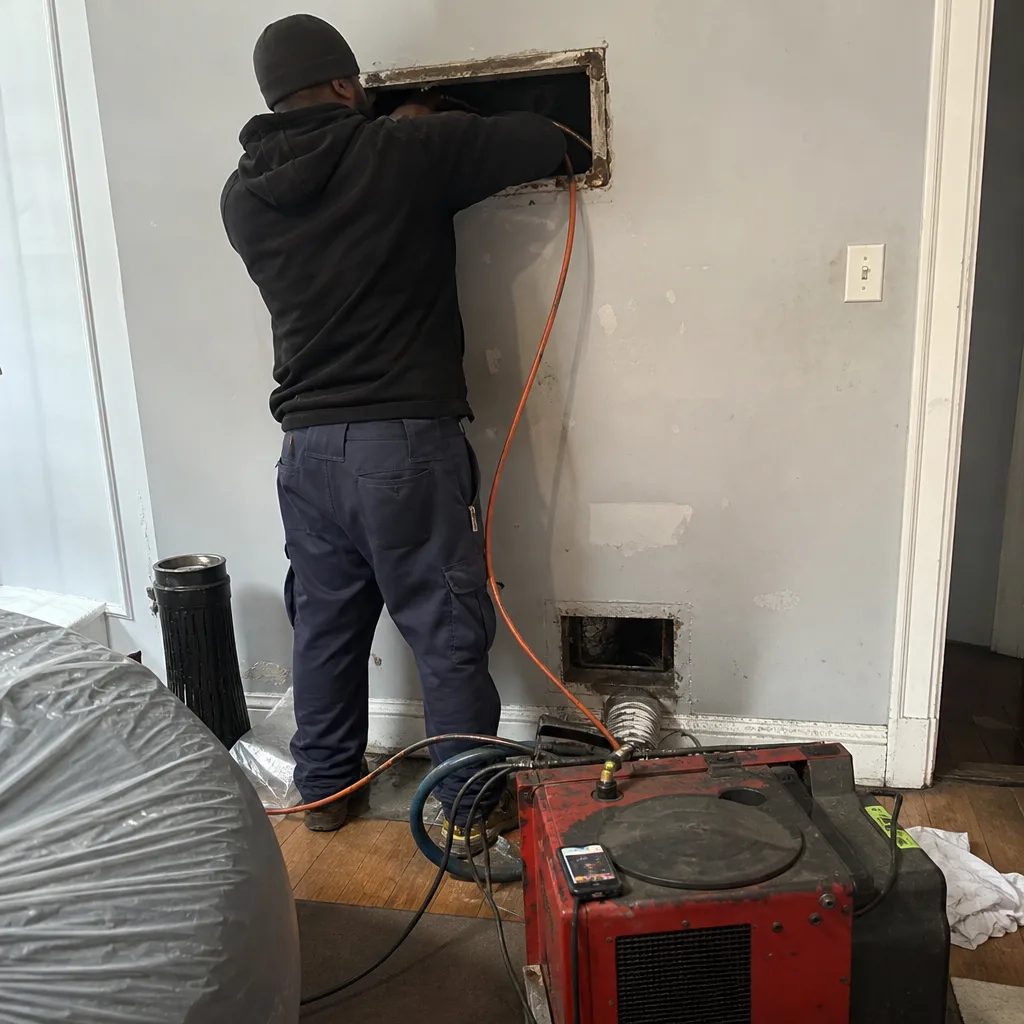
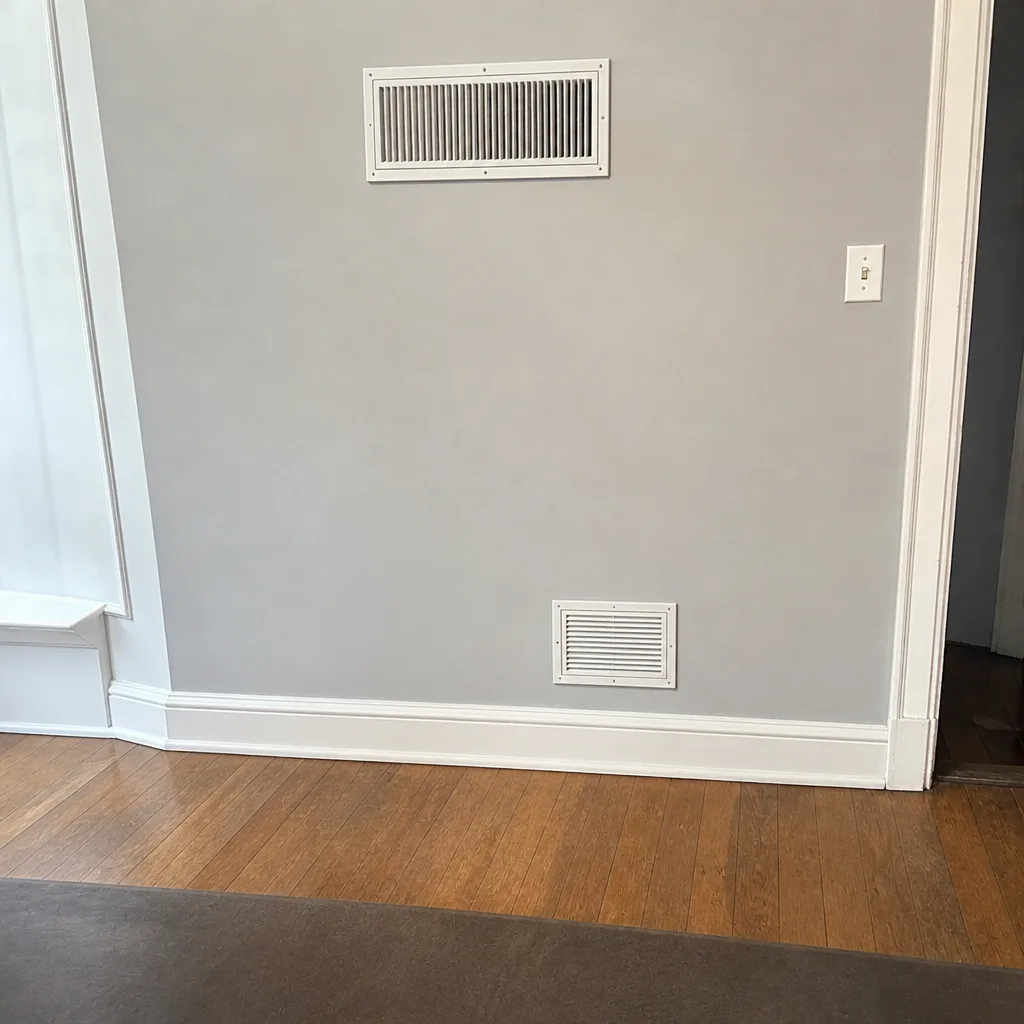
Whole-system duct and dryer vent check with before-and-after photos - you see exactly what came out of your vents
That "$99 whole-house special" is a bait ad - the real number appears once they are in your hallway, or the "clean" is a shop-vac at the register. We photograph the inside of your ducts before and after instead.
Air Duct Cleaning Emergency Preparedness Guide for East Flatbush Homes
After a basement flood, running the HVAC system to “dry things out” is one of the most common and costly mistakes East Flatbush homeowners make. It pulls contaminated air through every duct in the house before anyone has assessed what’s actually in the water. The same principle applies after a fire, a pest infestation, or a mold discovery: the first 48 hours decide whether you have a contained problem or a full remediation project. This guide walks through what to do, in what order, when the duct system is caught up in a larger emergency. You’ll learn the shutdown sequence, what your adjuster needs before any work starts, and where cleaning stops and repair begins.
Quick Answer
In a duct-related emergency in East Flatbush, shut the HVAC system off at the thermostat first, document everything with photos before touching anything, and call your insurance company before you call a contractor. Drying a duct system and cleaning it are two separate scopes of work, and doing them out of order can void a claim or spread contamination through the whole house. Emergency response is a sequence, not a single service call.
Styles & brands we work with
- Whole-home duct cleaning
- Dryer vent cleaning
- Camera inspection
- Sanitizing & deodorizing
Table of Contents
- Post-Flood Protocol: The First 48 Hours
- Fire and Smoke Damage: Odor vs. Soot Coating
- Pest Infiltration: Active vs. Historical Presence
- Mold Discovery During a Cleaning
- Documentation Checklist for Insurance Claims
- Why Drying and Cleaning Are Separate Scopes
- Common Mistakes to Avoid
- When to Call a Professional
Post-Flood Protocol: The First 48 Hours
Water in a basement or crawl space almost never stays in the basement. It evaporates into the air, and the air handler pulls that moisture straight into the duct system, where it settles on galvanized steel and fiberglass liner. Within a day or two, that damp interior becomes a growth medium. The protocol below is the order that keeps the problem contained.
- Shut the system off at the thermostat. Not just the fan – the whole system. If the breaker panel is dry and safe to reach, shut the air handler breaker too. If there’s any question about standing water near electrical components, stay out and call an electrician first.
- Photograph everything before you move it. Waterlines on the ductwork, standing water, damaged insulation, the thermostat setting. Your adjuster will ask for this.
- Call your insurance company and open the claim. Do this before any contractor sets foot in the house. Most policies distinguish between emergency mitigation (stopping further damage) and remediation (repairing what’s already damaged), and the order of operations matters.
- Get the standing water out and start structural drying. Fans and dehumidifiers on the floors, walls, and framing – not the duct system.
- Have the duct system assessed before it’s re-energized. A visual inspection with a camera, plus a moisture reading of the duct interior, tells you whether the ducts need drying, cleaning, or both.
East Flatbush has a lot of pre-war and mid-century housing stock with original galvanized ductwork and fiberglass-lined trunks. That liner is the part that worries us most after a flood. Once fiberglass liner gets soaked, it doesn’t dry back to its original condition. It compresses, delaminates, and holds moisture. In many cases the right answer isn’t cleaning at all – it’s liner replacement. A contractor who tells you a soaked liner just needs a vacuum hasn’t looked at it closely enough.
To understand what a full cleaning involves once the ducts are dry, see our air duct cleaning East Flatbush page.
Fire and Smoke Damage: Odor vs. Soot Coating
Smoke odor in ductwork and soot coating on duct lining are two different problems that get treated two different ways. Smoke odor is a gas that has adsorbed onto surfaces – it can often be neutralized with surface treatment after cleaning. Soot coating is a physical layer of carbon and ash that has bonded to the duct wall, and no amount of deodorizing fog will remove it. Mechanical contact cleaning is the only thing that works.
Here’s how to tell the difference, and what each one calls for:
- Light smoke smell, no visible residue: The fire was contained to one room and the HVAC wasn’t running during the fire. Cleaning plus a post-clean sanitizing treatment with a product like Guardsman is usually enough.
- Persistent odor after cleaning, visible dark film on registers: Soot has migrated into the trunk lines. You need mechanical removal with a rotary contact system – that’s what our air duct cleaning equipment is built for.
- Sticky, oily residue on duct walls: This is the residue from a kitchen fire or a synthetic-material fire, and it’s the hardest to remove. Sometimes the only honest answer is liner replacement.
- Soot visible well past the first branch: The whole system was pressurized during the fire, which means every duct is affected. Partial cleaning isn’t a real solution.
The mistake we see most often after a fire is a homeowner who has the ducts “cleaned” with a shop-vac before the soot is assessed, then wonders why the smell comes back two weeks later. A shop vac doesn’t generate enough airflow or agitation to break the bond between soot and steel. A Rotobrush rotary contact system with a HEPA-filtered negative air machine is the correct tool. Post-fire jobs in East Flatbush also get a sanitizing pass because smoke residue tends to hold odor in the joint seams and transitions where a vacuum can’t quite reach.
Pest Infiltration: Active vs. Historical Presence
Rodents, birds, and insects get into ductwork through gaps in the building envelope, open returns, and disconnected flex runs. Cleaning without sealing those entry points just resets the problem – the ducts come back clean and the animals come right back in. The first job on any pest-related call is to figure out whether the infestation is active or historical.
Here’s how we distinguish the two during an inspection:
- Active presence: Fresh droppings with intact shape and moisture, urine odor that’s strong when the system runs, scratching or movement sounds at the register, actual nesting material at a return or branch.
- Historical presence: Desiccated droppings that crumble, no odor once the system is running, no sound, debris that’s clearly been there long enough to be covered in dust.
An active infestation needs pest control first, sealing second, cleaning third. Cleaning a duct system with an active rodent population is a waste of money because the problem isn’t in the ducts, it’s in the walls. Once pest control has confirmed the activity has stopped, an HVAC cleaning job with HEPA negative air filtration contains the debris during removal. Birds are a particular concern because their nests and droppings carry organisms that shouldn’t be aerosolized through a home. That’s why we run Abatement Technologies filtration units on these jobs – the same class of equipment used in professional contaminant remediation.
After cleaning, every gap, disconnected joint, and open return needs to be sealed. Duct Repair & Sealing isn’t an upsell in a pest job; it’s the part that keeps the fix from undoing itself. Ask your contractor for a written summary of what was sealed and where, so if the problem recurs you know exactly what to investigate.
Mold Discovery During a Cleaning
When we find mold during a routine cleaning, we stop and explain what we can and can’t do about it on the spot. We can clean visible mold from accessible duct surfaces, treat the area with a sanitizing product, and remove contaminated components. We can’t give you a medical opinion, we can’t certify your home as mold-free, and we can’t tell you whether the mold is a health hazard. That’s the job of a licensed assessment professional and, when needed, a third-party lab.
Here’s when a third-party air quality test makes sense before proceeding:
- Visible mold covers more than a small area of one duct interior.
- Anyone in the household has symptoms that flare inside the home.
- There’s a known moisture source that hasn’t been fixed.
- You’re dealing with a landlord, a sale, or an insurance claim where documentation matters.
New York City has its own notification thresholds through the Department of Environmental Protection for certain remediation work, and it depends on the square footage disturbed and the conditions found. Ask your contractor whether the scope of your job triggers any notification requirement, and get the answer in writing. If they can’t answer that question clearly, that’s a reasonable signal to get a second opinion.
The right sequence on a mold job is: fix the moisture source, then physically remove the affected material, then apply a sanitizing product to inhibit regrowth, then verify. Skipping straight to the fogging step doesn’t fix anything – mold doesn’t die from a spray when the surface under it is still wet. Cleaning is the mechanical part; that’s why we run the Guardsman treatment after removal, never instead of it.
Documentation Checklist for Insurance Claims
Most adjusters handling duct system damage want the same handful of things, and the homeowner who has them ready gets a smoother claim. Here’s the checklist we walk customers through before any work starts in East Flatbush.
- Photographs of the original condition. Wide shots of the room, close shots of the registers, waterlines, soot deposits, and any visible pest evidence. Date them.
- A written contractor assessment. Not an estimate – a separate document describing what was found and what the scope of work should be. It should name the specific areas affected.
- Moisture readings or lab results. If a moisture meter was used on the duct interior, note the readings. If a third-party air quality test was done, attach the report.
- Before-and-after photos. Adjusters like seeing before-and-after images of clean ductwork. This is also how you verify that the work you paid for was actually done – ask for it up front.
- The mitigation timeline. When the damage occurred, when the system was shut off, when the water was removed, when the ducts were assessed. A clear sequence helps justify the claim.
- A copy of the written estimate, with line items. Cleaning, sealing, sanitizing, and any liner replacement should be listed separately so the adjuster can see what’s emergency mitigation and what’s remediation.
One more point worth knowing: most policies won’t cover duct cleaning that’s merely preventive. The claim needs to be tied to a covered event – the flood, the fire, the storm. That’s why the timeline matters so much.
Why Drying and Cleaning Are Separate Scopes
Drying and cleaning are two distinct scopes, and combining them in the wrong order can make a bad situation worse. Drying is about removing moisture from the structure and the duct system so that no further growth occurs. Cleaning is about removing debris, soot, or biological material that’s already in the duct. You can’t clean a wet duct effectively, and you can’t dry a debris-covered duct effectively.
The order is: shut off, remove standing water, dry the structure, dry the duct system, then clean. Then sanitize. Then repair and seal. Then verify airflow.
That sequence is also why we can’t just “come clean the ducts” while your basement is still wet. A job that starts with a soaked duct system ends with a return visit. The honest answer is to do the drying part first, get the moisture readings to a reasonable baseline, and clean only after that.
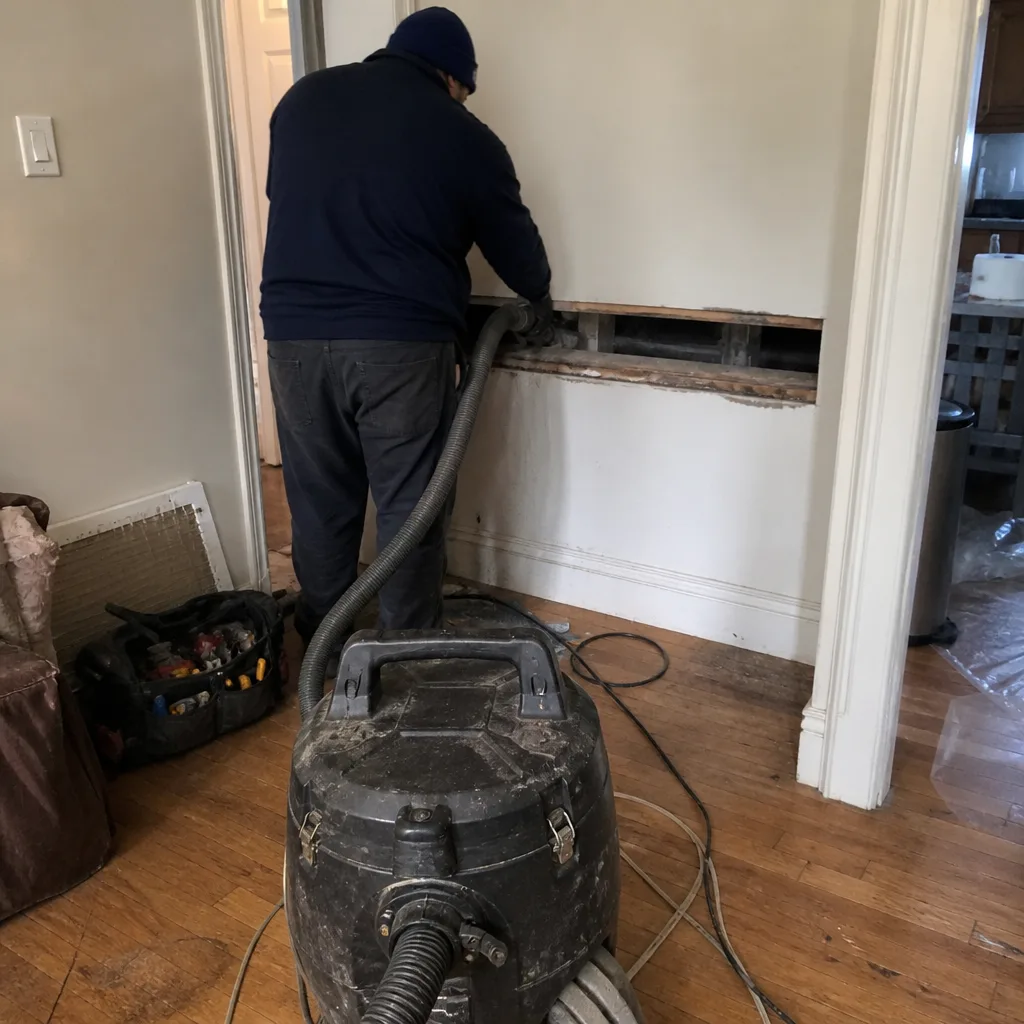
When we clean, we use Rotobrush rotary contact systems to dislodge compacted debris from duct walls and Nikro equipment for source removal – both are professional-grade tools built to the standard the industry recognizes. We pair that with Abatement Technologies air filtration on-site when the job calls for containment, which is most emergency-related jobs. We also stock and service Honeywell and Aprilaire air quality components, so if the ducts need filtration upgrades after the fact, that happens in the same visit.
Separately, if the emergency involved the dryer vent or the air handler itself, those need their own attention. Our dryer vent cleaning work is a distinct scope because a wet or clogged dryer vent is its own fire risk.
Common Mistakes to Avoid
- Running the system to “dry things out” after a flood. The air handler will pull moisture and any contaminants in it through every duct in the house. Shut it off first.
- Calling a duct cleaner before calling the insurance company. Work started before a claim is opened can complicate the coverage decision. Open the claim first.
- Accepting a “we cleaned it” without before-and-after photos. Duct interiors are invisible by design. Photos are how you verify the work actually happened.
- Cleaning ducts without sealing the entry points after a pest problem. The cleaning works; the pests come right back. Sealing is part of the job, not an add-on.
- Treating a soaked fiberglass liner with sanitizer only. Liquid doesn’t fix damaged liner. If it’s wet, compressed, or delaminated, it needs to come out.
- Believing a very low quoted price covers the full scope. Emergency-related duct work involves containment, mechanical cleaning, and often repair. A single low number usually reflects a single quick pass.
- Assuming the ducts will dry on their own without circulating air. Drying requires moving air and dehumidification on both sides of the duct wall. Just opening the windows doesn’t work.
When to Call a Professional
Call a professional when the duct system has been exposed to water, smoke, or pests and the HVAC has been running since. Call when you see visible debris, mold, or soot at the registers, or when a moisture meter reads high on duct interior surfaces. Call when the system has become a barrier to reopening the home after an incident. Call when you’re filing a claim and need a written assessment. For any single-system duct job – not a whole-home remediation – our team sets one flat price per system, agreed before work starts, with before-and-after photos included.
Air Duct Cleaning East Flatbush offers free estimates in East Flatbush. Call (844) 484-4185. We answer 24/7. Fast dispatch from 7am to 7pm, Sunday through Friday.
See the difference
 Before
 After
 Before
 After
 Before
 After
Frequently Asked Questions
Duct cleaning should happen after the structure and the duct system are dry, which is typically days, not hours, after the water is removed. Cleaning a wet duct doesn’t remove the contamination effectively and can spread moisture further. The sequence is: shut off, dry, then clean.
Many homeowner policies cover duct cleaning when it’s tied to a covered event like a fire or a flood, but not when it’s routine maintenance. Open the claim before any work starts, and have a written contractor assessment ready. Coverage decisions belong to your adjuster, not to us.
Before-and-after photos of the duct interior are the standard proof. Ask for them before work begins, not after. A contractor using a camera and a rotary contact cleaning system can produce those images on every job. If a quote doesn’t include photos, ask why.
Cheap quotes usually reflect a single quick vacuum pass, no containment, no mechanical cleaning of the duct walls, and no repair scope. Emergency-related work has real requirements – containment, HEPA filtration, mechanical agitation, and often sealing or liner repair. A low price that doesn’t reflect those is a pricing mismatch, not a bargain.
We can clean visible mold from accessible duct surfaces and apply a sanitizing treatment, but we can’t certify the home as mold-free or assess health risks. When mold covers more than a small area, or when symptoms or an open insurance claim are involved, a third-party air quality test is a reasonable next step before final treatment.
For gas, leave the house and call your utility. For a rodent, don’t run the system; call pest control first, then a duct contractor to clean and seal after the activity has stopped. Sequence matters. Cleaning an active infestation wastes money.
There’s no single number because the scope varies with what happened, how far the damage spread, and whether repair or liner replacement is needed. We set one flat price per system, agreed before work starts, with the written estimate setting the final number. Call (844) 484-4185 for a free estimate.
The Bottom Line
Duct-related emergencies in East Flatbush come down to sequence: shut off the system, document everything, file the claim, dry before you clean, and seal after you clean. Most of the mistakes in this guide happen because something got done out of order. The homeowner who does the first four steps in that order has a claim that holds up and a system that’s actually fixed. One flat price per system, agreed before work starts, with before-and-after photos. If you’ve had water, smoke, or pests in the ducts, don’t guess at what to do first.
Call (844) 484-4185 for a free estimate. We answer 24/7. Fast dispatch from 7am to 7pm, Sunday through Friday.
Written by the team at Air Duct Cleaning East Flatbush.