
Last updated November 22, 2026
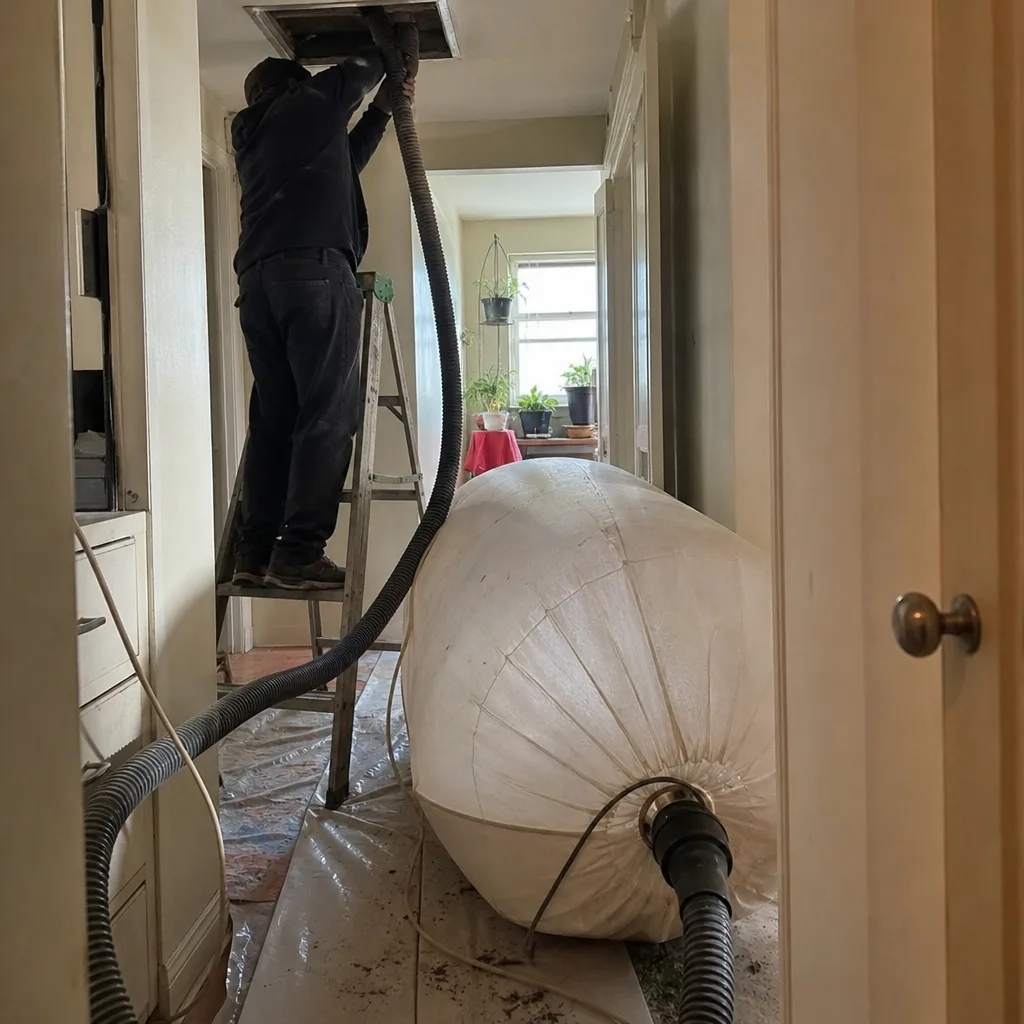
 Whole-home duct cleaning
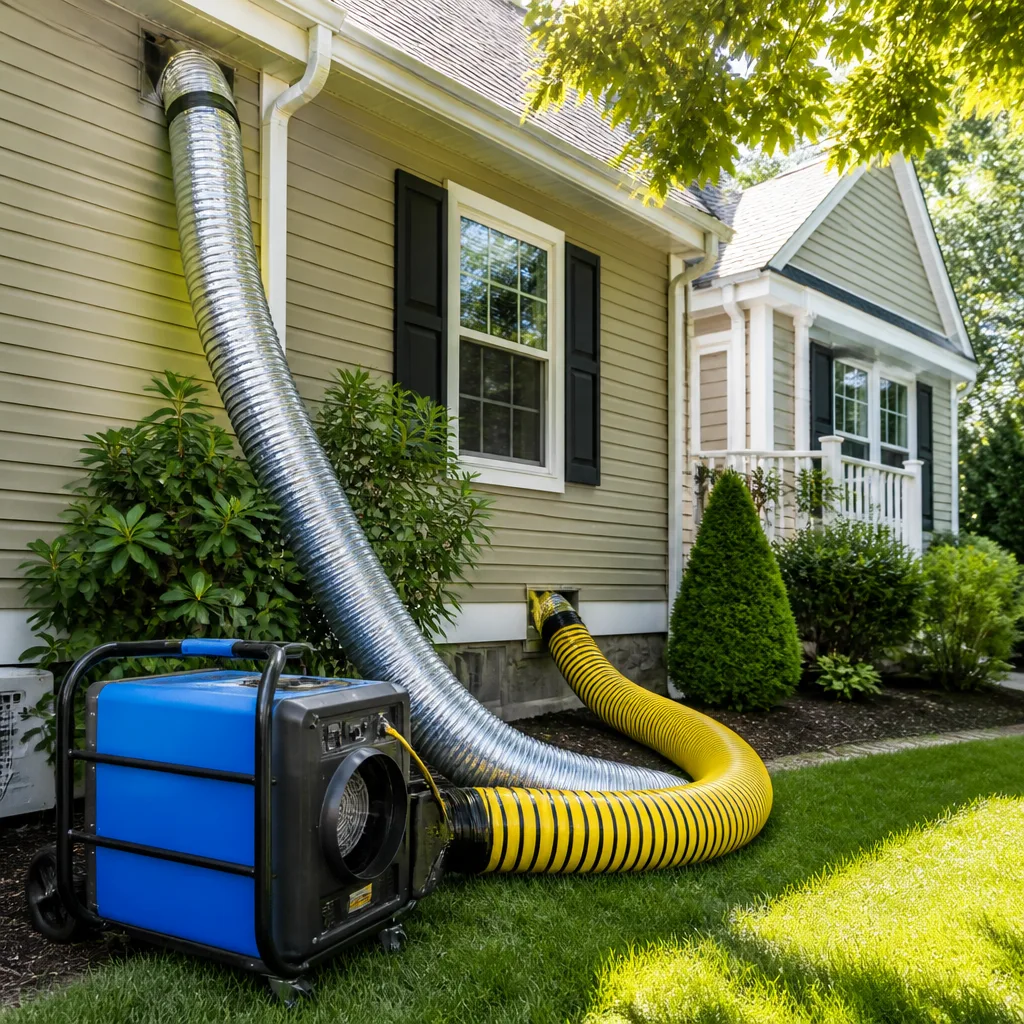
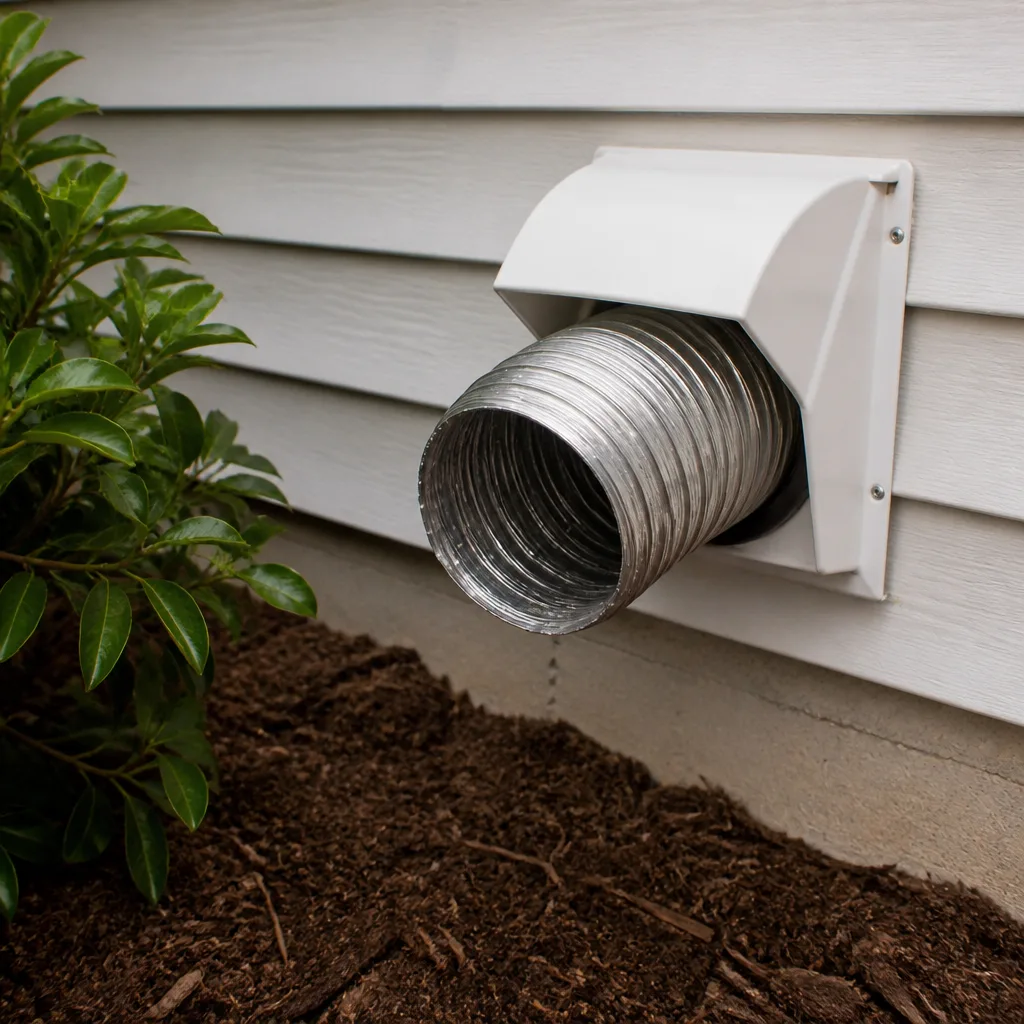 Dryer vent cleaning
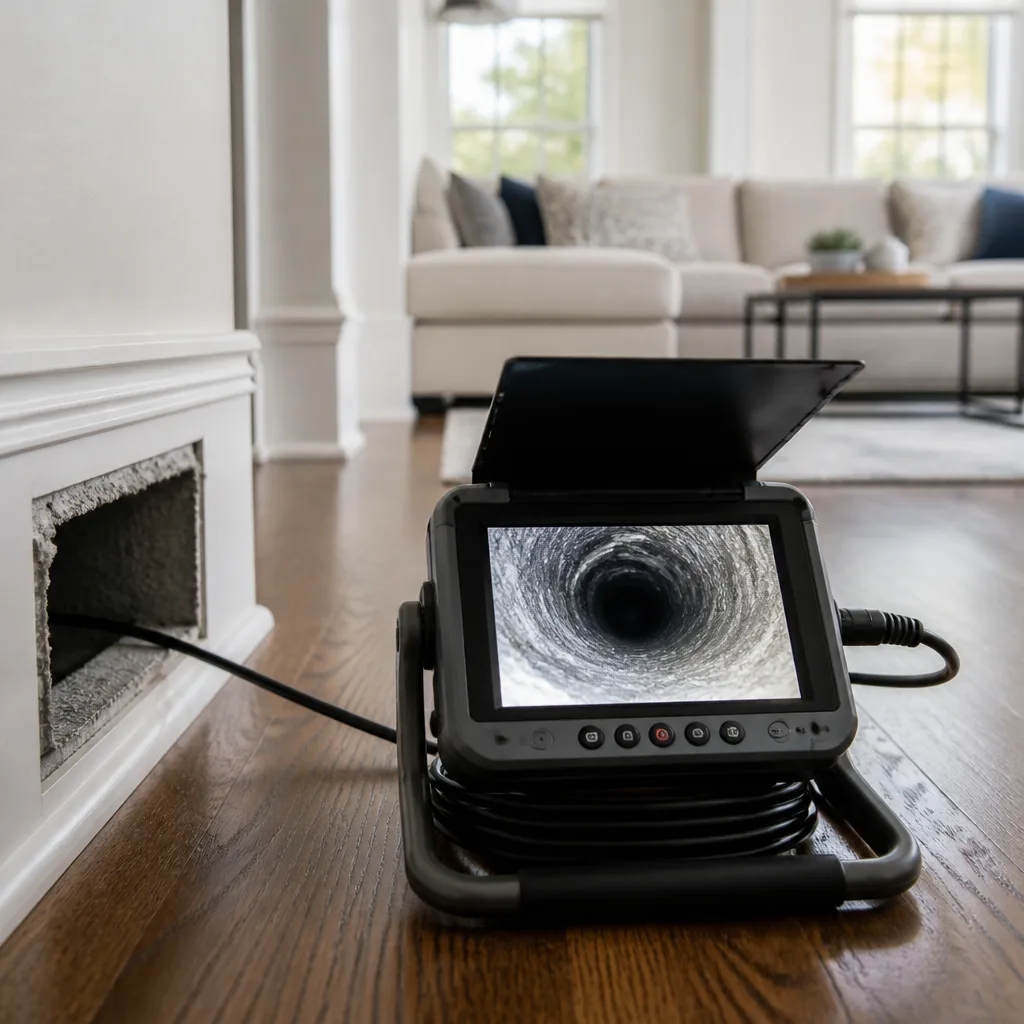 Camera inspection
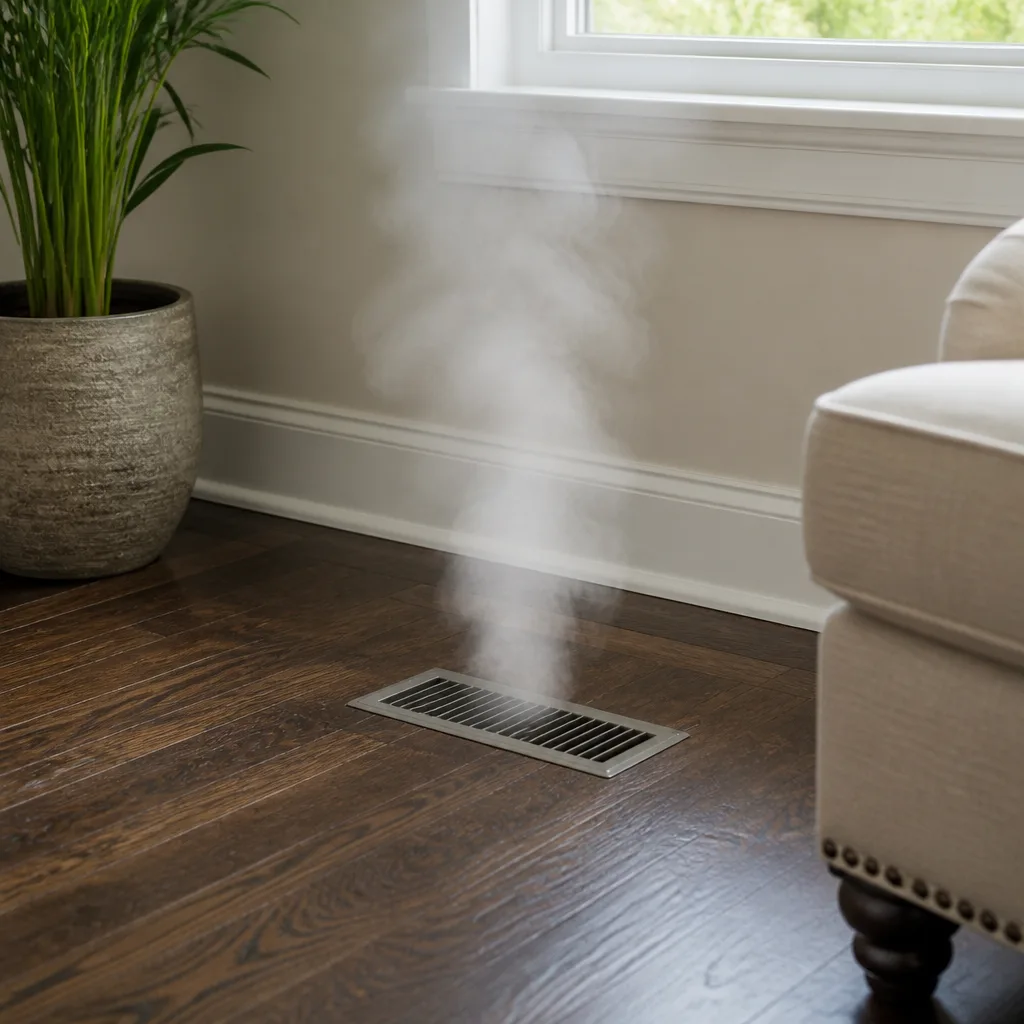 Sanitizing & deodorizing
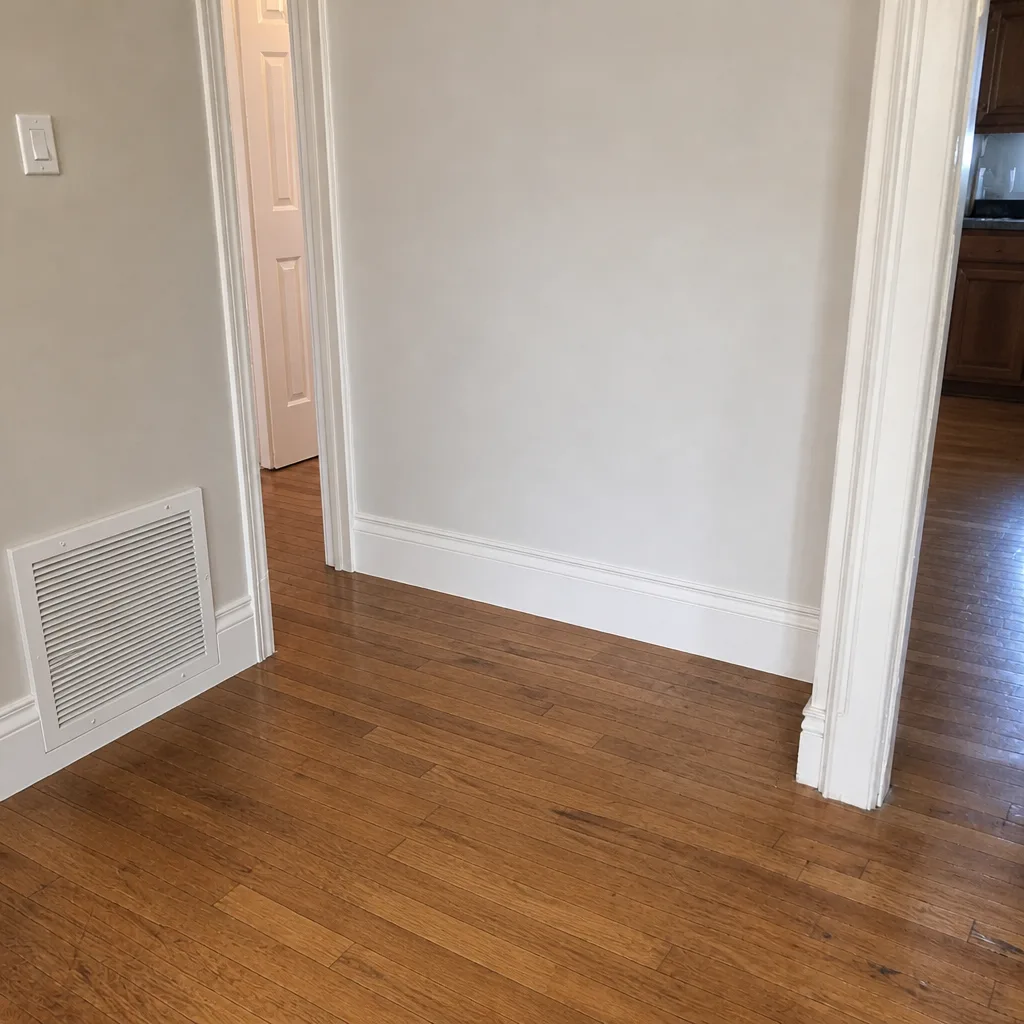
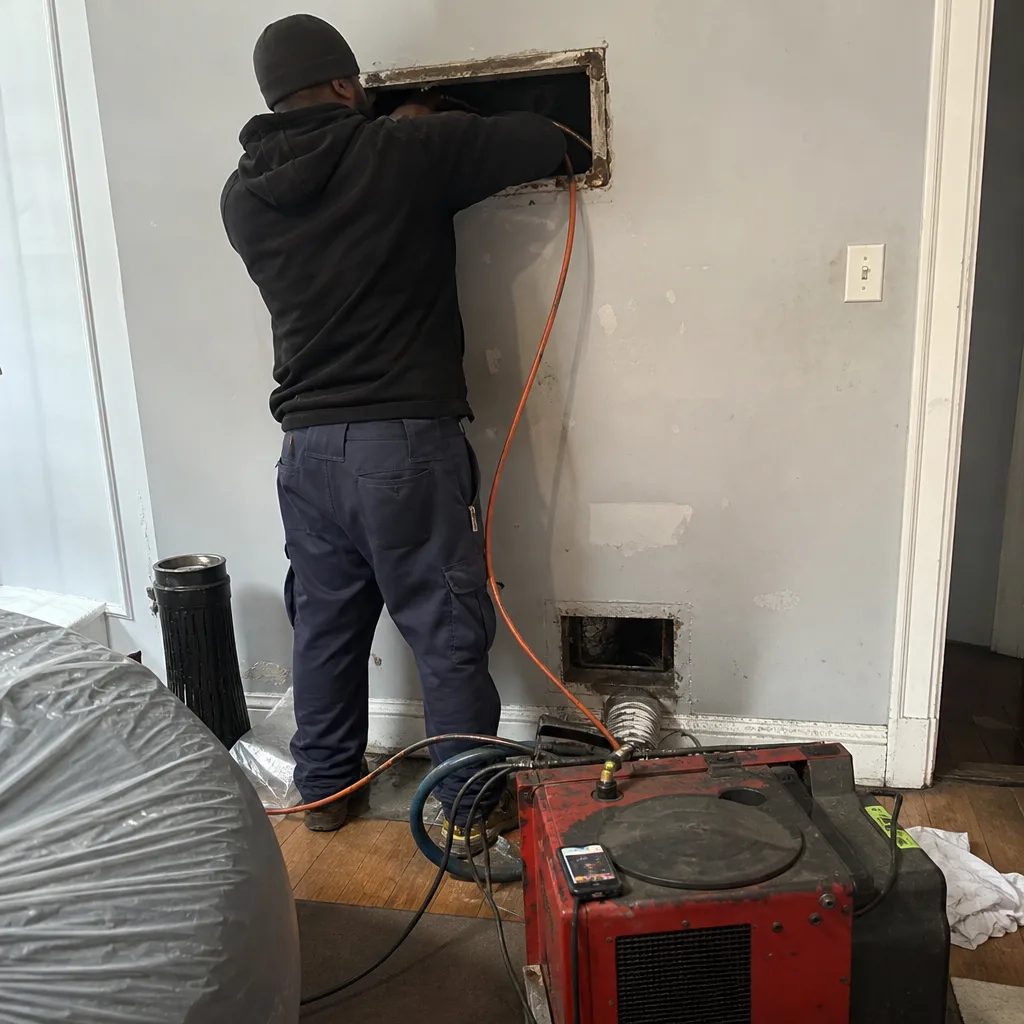
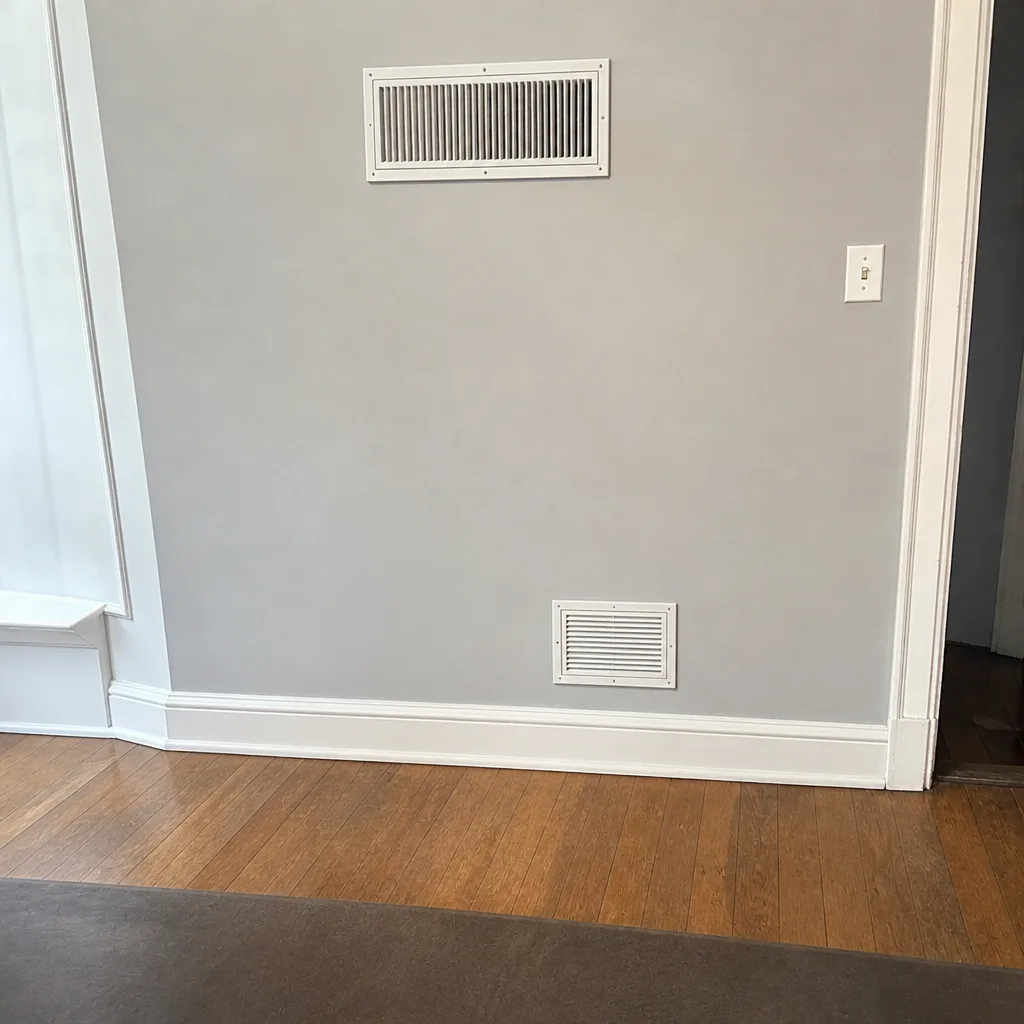
Whole-system duct and dryer vent check with before-and-after photos - you see exactly what came out of your vents
That "$99 whole-house special" is a bait ad - the real number appears once they are in your hallway, or the "clean" is a shop-vac at the register. We photograph the inside of your ducts before and after instead.
Air Duct Cleaning Cost Breakdown: The East Flatbush Homeowner’s Reference for 2026
The national average for duct cleaning gets cited constantly. It’s a comfortable number: a single figure that promises to settle the question before you ever pick up the phone. What that figure doesn’t tell you is that the low end of the range usually covers three to five registers with a portable vacuum, while the high end includes negative-air pressure equipment, every supply and return branch, and a written post-service report. Same square footage. Very different job. In East Flatbush, where a block can hold attached row houses, two-family homes, and ground-floor condo units side by side, the gap between a $400 quote and a $900 quote is rarely about the neighborhood. It’s about scope. This guide breaks down the real cost drivers line by line, so you can read a quote for what it actually includes.
Quick Answer
Air duct cleaning in East Flatbush typically runs from about $89 for a minimal register-and-portable-vacuum job to over $1,200 for a full-scope service with negative-air equipment, complete supply and return cleaning, sanitizing, and sealing. For most East Flatbush row houses and two-family homes, a properly scoped full-service cleaning falls in the $400 to $900 range. The written estimate sets the final price, and the scope, not the square footage, is what should drive it.
Styles & brands we work with
- Whole-home duct cleaning
- Dryer vent cleaning
- Camera inspection
- Sanitizing & deodorizing
Table of Contents
- What You’re Actually Paying For
- Cost by Home Type in East Flatbush
- The Four Things That Actually Drive Price
- Line-Item Breakdown of a Full-Service Job
- Legitimate Additional Costs vs. Upsell
- How to Compare Two Quotes by Scope, Not Price
- Why Equipment Choice Changes the Number
- Common Mistakes to Avoid
What You’re Actually Paying For
When a quote lands at $89, something has been left out. It’s not dishonesty in every case; sometimes the homeowner asked for exactly what they got. But an $89 job is a different service than a $900 job, and the word “cleaning” hides the difference.
A full-scope duct cleaning covers every part of the air path between the furnace and the room: the main trunk line, each branch run, the supply registers, the return grilles, the return duct drop, and the plenum connecting the whole system to the equipment. It also includes containment – negative-air pressure that keeps dislodged dust from settling into your living space – and a written record of what was pulled out.
Here’s what separates the tiers:
- The $89 to $200 tier: usually a portable vacuum at a handful of registers. Good for surface dust at the grilles. Does nothing for the trunk line, the return drop, or compacted debris on the duct walls.
- The $250 to $400 tier: portable unit with rotary agitation on accessible branches. Sometimes includes a light sanitizing mist. Often skips the main trunk or prices it as an add-on.
- The $400 to $900 tier: rotary contact cleaning through the trunk and branches, negative-air containment, register and return cleaning, and a post-service report. This is the tier where most East Flatbush row houses and two-families land.
- $900 and up: everything above plus sanitizing treatment, sealing of accessible leaks, and air quality component upgrades. Usually involves longer runs, multiple systems, or confirmation of microbial growth.
The single most useful question to ask any provider: does this price include the main trunk and the return? If the answer is “those are extra,” you’re looking at the bottom tier wearing a middle-tier price tag. Our own air duct cleaning East Flatbush estimates break the scope down exactly this way before any work begins, so the comparison is apples to apples.
Cost by Home Type in East Flatbush
East Flatbush’s housing stock shapes the pricing more than any national average can. The neighborhood has a high concentration of attached row houses, a large stock of two-family homes built for owner-occupants with a rental unit, and a growing number of ground-floor condo conversions. Each has a different duct layout, different access, and a different realistic price range.
The two-family is the tricky one. If both units share a single furnace and a single duct system, that’s one job. If each unit has its own furnace and duct run, it’s effectively two jobs and should be quoted as such. Ask which one you have before you compare numbers.
Attached row house, 1,200 to 1,800 sq ft
Most attached row houses in East Flatbush have a straightforward layout: furnace in the basement, a main trunk running the length of the house, branches feeding the first and second floors, and returns at the stairwell and rear. That layout usually lands in the $400 to $700 range for a full-scope job. Longer runs or a finished basement with extra branches push toward the top of that band. Tight basement ceilings and low-clearance trunk access are the most common reasons a row house quote climbs.
Two-family home
Two-family homes in East Flatbush commonly range from $550 to $1,100 depending on whether the units share one system or have separate ones. Access is the second factor: if the second unit’s branches are behind finished ceilings with no access panels, expect an inspection conversation before anyone commits to a number. A responsible provider will flag limited-access branches in writing rather than silently skip them.
Ground-floor condo unit
A ground-floor condo typically has a compact system – a furnace or air handler in a closet, short branch runs, and one or two returns. Those jobs often fall in the $300 to $550 range. They’re also where a portable-vacuum quote can look deceptively adequate. It isn’t; short runs still accumulate dust at the trunk and the return drop, and a small system is not a small cleaning. It’s a small job that still needs the full method.
For context on what a scheduled full-service visit looks like in each of these home types, our air duct cleaning page outlines the process step by step.
The Four Things That Actually Drive Price
Square footage is a weak predictor. In our experience, four variables explain most of the spread between two quotes for the same East Flatbush home: equipment type, register count, trunk access, and add-on services. Understanding each one lets you spot which quote is scoped honestly and which is padded or stripped.
1. Equipment type: portable vs. truck-mounted
A portable unit is what the low-cost tier uses. It’s a self-contained vacuum brought into the home, sometimes with rotary agitation, sometimes without. Truck-mounted or high-capacity negative-air equipment generates far more suction and is what allows a crew to pull compacted debris off the duct walls rather than just the loosest surface dust. We use Rotobrush rotary contact cleaning systems for the agitation, paired with Abatement Technologies air filtration units for containment – the same equipment standard in professional mold and contaminant remediation. That’s a higher equipment cost, and it’s the main reason a full-scope quote is priced where it is.
2. Number of supply and return registers
Each register is a separate branch to clean, and each return grille has its own filter surface and dust load. A row house with 10 supplies and 2 returns is a bigger job than a condo with 5 supplies and 1 return, even for the same footprint. If a quote is flat-rate with no register count in it, ask for the count in writing. That’s not a negotiation trick; it’s what protects you from a price that changes once the technician is inside.
3. Accessibility of the main trunk line
The trunk is the highest-yield part of the cleaning and the part most often skipped to keep a price low. If the trunk runs through a finished ceiling, a basement with low clearance, or a wall cavity with no access panel, the work is slower and sometimes requires cutting a small access point. That’s a legitimate cost. It should be identified up front, not discovered halfway through.
4. Add-on services
Sanitizing, sealing, dryer vent cleaning, and filtration upgrades are all real services with real value – and all of them are frequently where the gap between quotes lives. The next sections separate the legitimate adds from the padding.
Line-Item Breakdown of a Full-Service Job
Below is how a full-scope duct cleaning in East Flatbush breaks down when it’s priced component by component. These are typical estimated ranges, not fixed prices; the written estimate sets the final number, and actual figures depend on your home’s layout, register count, and system condition.
- Initial inspection and system walk-through: $0 (usually included). Should include checking the furnace, identifying branch count, and noting any moisture or microbial concerns.
- Main trunk cleaning: $150 to $300. The largest single component and the one most often missing from cheap quotes.
- Branch run cleaning: $40 to $75 per branch, or bundled. Ten branches is $400 to $750 on its own if priced individually.
- Supply register and return grille cleaning: $15 to $35 each. Includes removal, cleaning, and reinstallation.
- Sanitizing treatment: $100 to $250. Applied after cleaning, not instead of it. We use Guardsman products to inhibit microbial regrowth and neutralize odors.
- Duct sealing (accessible leaks): $150 to $400, priced by length and access. Addresses the root cause of energy loss and recontamination.
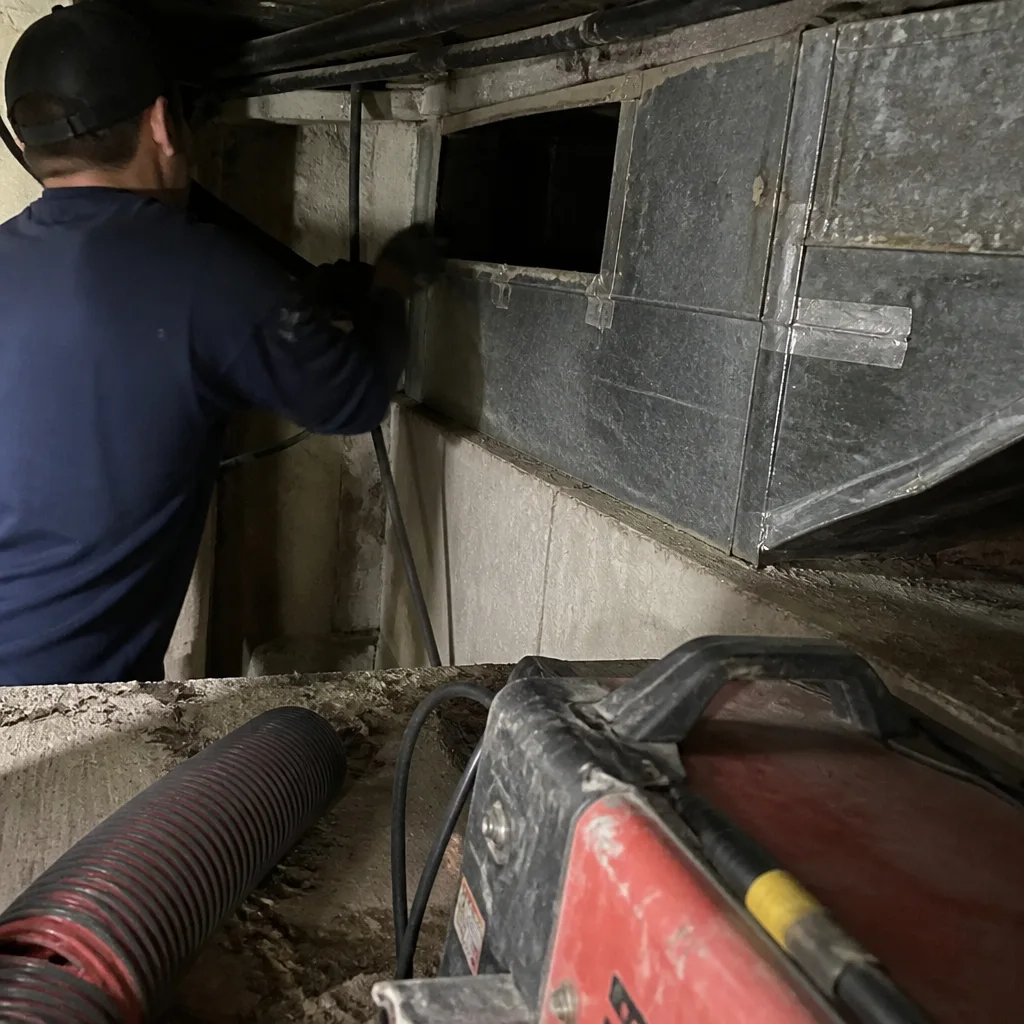
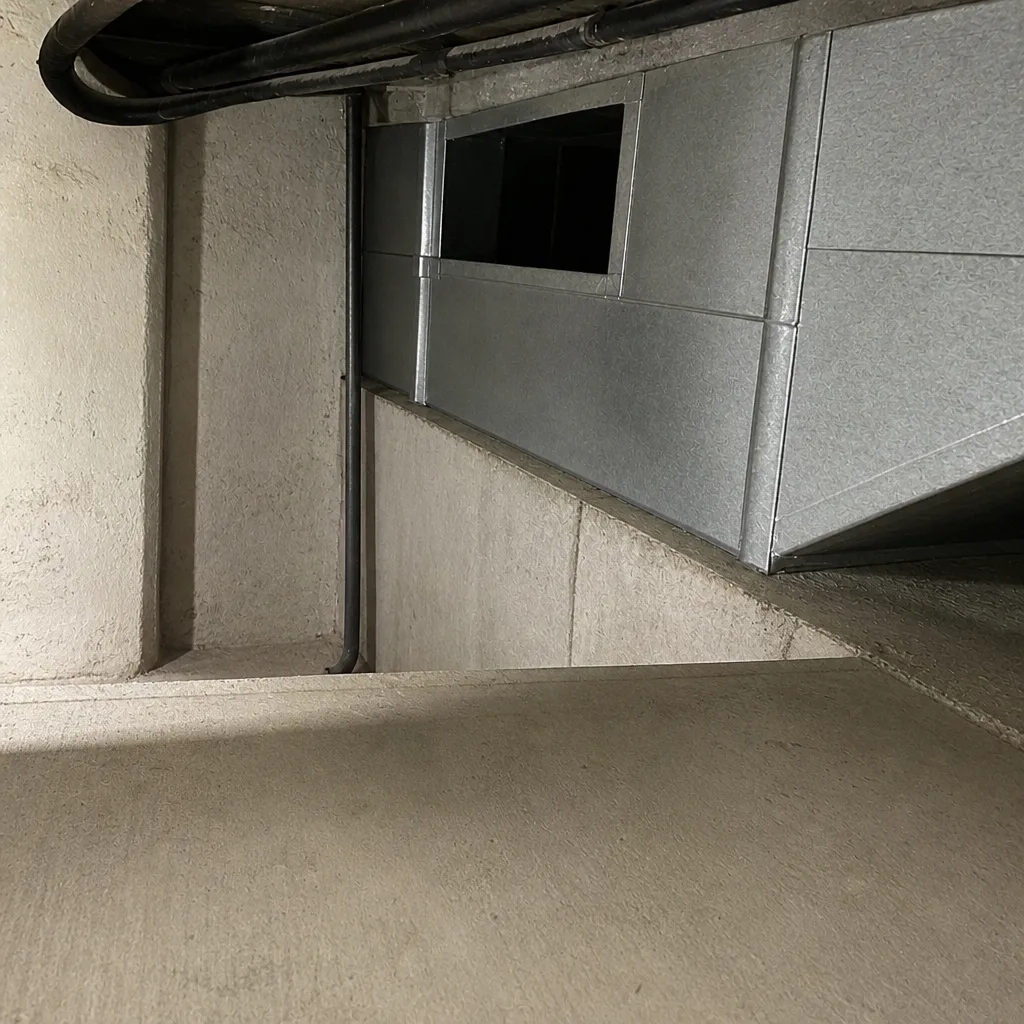
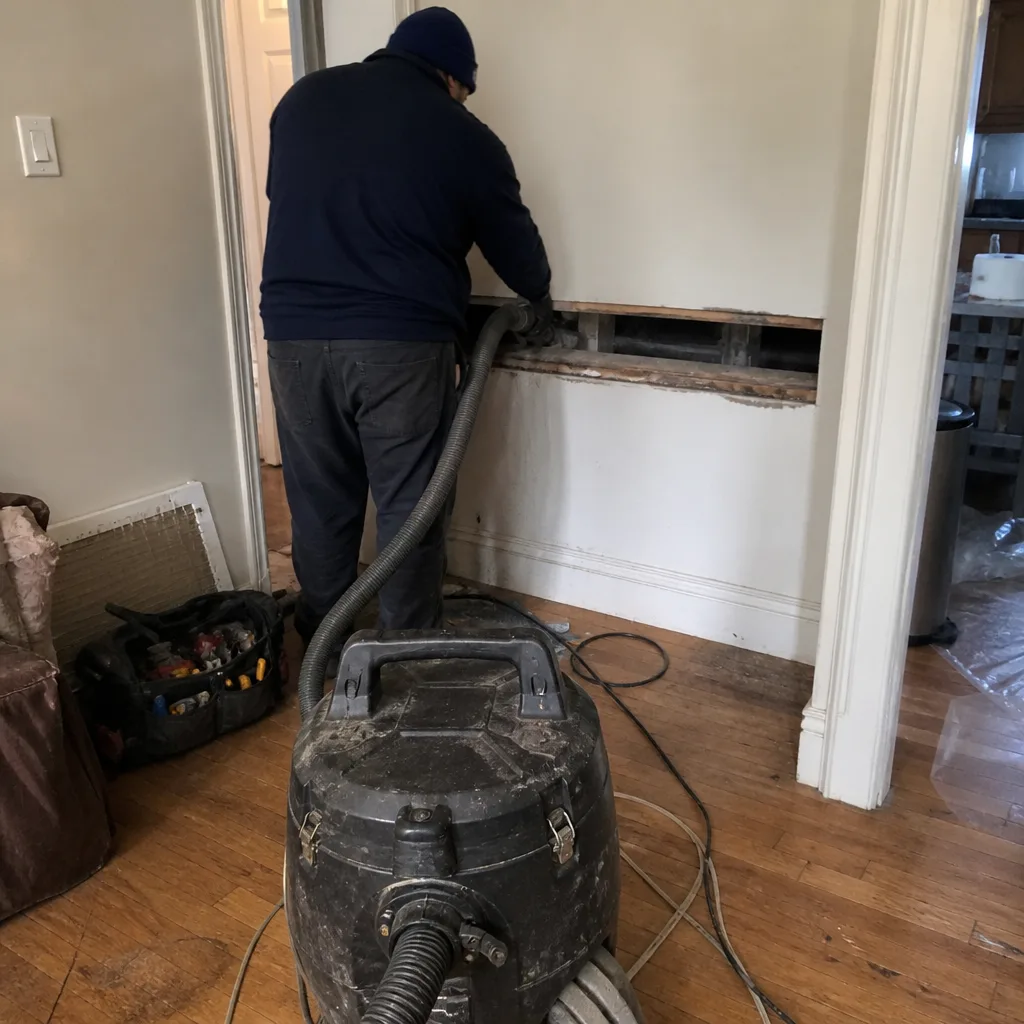
- Written post-service report and photos: $0 (should be standard). Before-and-after photos of your own ducts, not stock images.
Add those up at the low end of a typical East Flatbush row house and you land right around $600 to $800. At the high end with a full sanitizing treatment and sealing, you’re near $1,000 to $1,200. That’s the actual spread this guide is about. If a quote for the same home comes in at $250, count the missing line items. They didn’t disappear; they were never in scope.
Legitimate Additional Costs vs. Upsell
Not every add-on is a scam. Some are the difference between a system that stays clean and one that recontaminates within a year. The test is simple: does this service fix a cause, or just add a line to the invoice? Here’s how we sort them.
Legitimate additions
- Mold treatment when microbial growth is confirmed. Visual confirmation or air quality testing – not a blanket “your ducts probably have mold.” If you see it or it’s been verified, treating it is a remediation job, not a cleaning upsell, and it needs a higher standard of containment. Ask what equipment is used for the containment; if the answer isn’t specific, that’s the warning sign.
- Duct sealing for accessible leaks. Leaky ducts pull in unfiltered air from basements and wall cavities, which is how a system recontaminates after cleaning. If a technician inspects and finds visible gaps at the trunk or plenum, sealing them is fixing the reason you called in the first place.
- Filtration upgrades with Honeywell or Aprilaire components. A higher-MERV whole-home filter or a properly sized media cabinet changes what reaches the ducts in the first place. This is worth considering if you have allergy concerns, not if the salesperson simply mentions it.
- Dryer vent cleaning as a genuine safety and efficiency service. Separate from duct cleaning and separately priced.
Usually upsell
- UV light installation offered before any inspection. A UV light is a legitimate air quality component. It is not a substitute for cleaning and it doesn’t fix a dirty duct. If it’s the first thing pitched before anyone’s looked at the system, that’s a sales call.
- Sanitizing priced as “included” but only applied as a spray mist at the registers. Sanitizing that doesn’t reach the trunk does very little. It’s not the product’s fault; it’s the scope’s.
- “Extra” per-register charges layered on top of an already-bundled quote. Either the register count is in the scope or it isn’t. It shouldn’t surprise you at the end.
For a full sense of what sanitizing actually involves and where it belongs in the sequence, our HVAC cleaning page covers the treatment and containment steps. And if you’re considering adding a dryer vent cleaning to the visit, our dryer vent cleaning page explains when it’s warranted and how it’s priced separately.
How to Compare Two Quotes by Scope, Not Price
Two $400 quotes can be completely different jobs. The only way to compare them honestly is to line them up against the same checklist and see what each one actually covers. Use this framework.
- Write down the register count for your home. Count every supply and return. If neither quote lists a matching count, both need clarification before you compare anything else.
- Ask whether the main trunk is included. The single most important question. A quote without the trunk is a partial cleaning at a mid-range price.
- Ask whether the return drop is included. The return is often the dirtiest part of the system because it pulls in unfiltered air. If it’s not in scope, it’s not a full cleaning.
- Ask what equipment will be on site. A portable unit and rotary agitation is a different job than a portable unit alone. A proper full-scope cleaning includes both agitation and negative-air containment.
- Ask whether you get a written report and photos of your own ducts. If not, you have no way to verify the work was done. The second quote on the list is the one that shows you.
- Ask what’s excluded. Every quote has exclusions. A provider who lists them is being straight with you. A provider who claims there are none is telling you something else.
- Compare the scope lists, not the totals. If quote A covers eight items at $600 and quote B covers four items at $450, quote A is usually the better value. If A covers eight items at $900 and B covers seven at $700, ask what the extra $200 buys.
This is the framework that separates a fair quote from a bait-and-switch coupon. The written estimate should be itemized, matched to your register count, and agreed before anyone unrolls a hose. If it isn’t, keep calling.
Why Equipment Choice Changes the Number
Equipment is the biggest silent cost driver in any duct cleaning quote, and most homeowners never ask about it. Here’s what’s actually on the market and why it matters for the price.
At the low end, a shop vacuum with a hose and a brush head does surface cleaning at the registers. It can’t generate enough negative pressure to protect the room from the dust it’s dislodging, and it can’t reach into the trunk line to pull compacted debris off the duct walls. Some companies market this as duct cleaning. Technically, it is cleaning the parts you can reach.
At the professional end, duct cleaning uses rotary contact agitation – a spinning brush head that physically scrubs the duct walls while high-volume suction carries the loosened material away. We use Rotobrush rotary contact cleaning systems, which contractors and industrial hygienists rely on for this work. Nikro equipment, which meets NADCA-recognized standards for HVAC cleaning, is also part of our standard setup. Containment is handled with Abatement Technologies air filtration units, the brand standard in professional mold and contaminant remediation. That containment is what keeps the dust out of the room you’re standing in – and it’s the part most cheap quotes skip entirely.
We also stock and install Honeywell and Aprilaire air quality components, which means a single visit can clean the system and upgrade the filtration that keeps it clean. One visit, full system: cleaning, repair, and air quality handled together rather than booked as three separate appointments. That’s not always cheaper than three separate visits, but it’s the difference between cleaning your ducts and fixing the reason they got dirty.
None of this shows up in a cheap quote because none of it can. Ask what equipment will be on site. The answer usually explains the price.
Common Mistakes to Avoid
- Comparing totals instead of scopes. A $250 quote and a $700 quote are only comparable if you know what each one covers. Ask for the itemized list before you decide.
- Not asking whether the return is included. In East Flatbush row houses, the return drop is often the dirtiest part of the system, and it’s the line item most likely to be missing from a low quote.
- Being quoted a per-register price up front. Per-register pricing is how a modest opening offer becomes a large invoice. A flat price per system, agreed in writing, protects you from that.
- Skipping the post-service photos. If you don’t have before-and-after photos of your own ducts, you have no way to know the work was done. Ask for them before the job starts, not after.
- Assuming the truck out front is a sign of quality. Equipment matters, but ask what’s inside it. A truck that’s just a bigger vacuum without rotary agitation and containment isn’t the full job.
- Not checking whether a second unit shares the system. If you’re in a two-family East Flatbush home, confirm whether the units share one furnace or have separate systems. The price is different, and so is the work.
- Cleaning without sealing leaks. If the accessible gaps in the trunk and plenum aren’t sealed, the system will pull unfiltered air right back in. Cleaning without sealing is a temporary fix, not a full service.
When to Call a Professional
Some jobs are worth calling a professional for even if you’ve never noticed a problem. If you’re seeing dark residue at your supply registers, smelling a musty or stale odor when the heat or AC kicks on, dealing with allergy flare-ups that started or worsened after moving in, or getting uneven airflow between rooms, the system is telling you something. On the East Flatbush side, row houses with finished basements and old trunk runs are especially prone to leaks and recontamination, and a two-family with a shared system often needs both units checked at once. Our technicians have up to 13 years of experience inspecting and cleaning these systems, and we can also handle dryer vent cleaning and related air quality work on the same visit. Air Duct Cleaning East Flatbush offers free estimates in East Flatbush. Call (844) 484-4185.
See the difference
 Before
 After
 Before
 After
 Before
 After
Frequently Asked Questions
Most East Flatbush row houses and two-family homes fall between $400 and $900 for a full-scope cleaning. Smaller ground-floor condo units typically run $300 to $550, and longer two-family runs land between $550 and $1,100. The low end of the market, $89 to $200, is register-level cleaning with a portable vacuum and doesn’t cover the trunk or return. Call (844) 484-4185 for an exact quote. Estimates are free.
Cheap quotes are almost always missing a component: usually the main trunk, the return drop, negative-air containment, or a written post-service report. A quote with those four in scope can’t come in at a third of the price of a full job; the equipment time and labor aren’t there. Ask what’s included, not just what it costs, and read the list against the line-item breakdown above. A flat price per system agreed in writing is the best protection against the bait-and-switch cycle.
You should see before-and-after photos of your own ducts, taken on-site and included with the written report. Any provider who can’t produce that is asking you to take the work on faith. Ask for it before the job starts, and confirm it’s part of the scope in the estimate. That’s the reason we include it as a standard deliverable on every job.
Most homes benefit from a full cleaning every three to five years, but East Flatbush housing stock changes that. Attached row houses with a shared basement or a furnace near a finished space, homes with pets, and any home with visible mold or recent water damage usually need it sooner. If you’ve recently done a renovation, plan for it as part of the cleanup rather than waiting for the interior finish work to settle in.
Sanitizing is worth considering when there’s a confirmed odor, visible microbial growth, or a moisture history. It’s applied after cleaning, using products like Guardsman to inhibit microbial regrowth. Sealing is worth it when a technician finds visible accessible leaks in the trunk or plenum. Both fix a cause rather than just adding a charge. Skip the UV light pitch if it comes before any inspection. Call (844) 484-4185 to discuss what your specific system needs.
Yes. We handle the full lifecycle of the system: cleaning, repair, sealing, and sanitizing, with Honeywell and Aprilaire components installed to upgrade filtration on the same visit. That means the cleaning and the reason the system got dirty are handled together, rather than booked as three separate follow-ups. Call (844) 484-4185 to book a free estimate and we’ll walk through the scope with you.
What Is the Cost of the Same Job in 2026 vs. Earlier Years?
Duct cleaning pricing in 2026 sits where it does because of three pressures: equipment costs, the labor required for a full containment setup, and the growing share of jobs that bundle cleaning with sealing and filtration. The equipment most contractors use hasn’t gotten cheaper, and the scope that a full-service job now includes has expanded. As a result, the top of the East Flatbush range has moved up more than the bottom. A job that was $500 five years ago is often $600 to $800 now for the same scope. This matters in one specific way: any quote that hasn’t changed at all in several years is probably still covering the older, narrower scope. Match the price to the work, not the calendar.
The Bottom Line
The $89 to $1,200 spread for the same square footage isn’t price-gouging and it isn’t a bargain. It’s scope. An $89 job is register-level cleaning with a portable vacuum. A $900 job is trunk, branches, registers, and returns, cleaned with rotary contact agitation and negative-air containment, sanitized with Guardsman products, and documented with your own before-and-after photos. Most East Flatbush row houses and two-family homes land in the middle, between $400 and $900, for a job that actually covers the system. Use the comparison checklist above, ask what’s included and what’s excluded, and get it in writing. Then the price makes sense on its own terms.
Ready to see what a full-scope job actually costs for your East Flatbush home? Call (844) 484-4185 for a free estimate. We answer 24/7. Fast dispatch from 7am to 7pm, Sunday through Friday. Our technicians use Rotobrush and Nikro equipment, standard containment, and Guardsman sanitizing products, and we’ll give you a flat price per system agreed before any work starts.
Written by the team at Air Duct Cleaning East Flatbush.